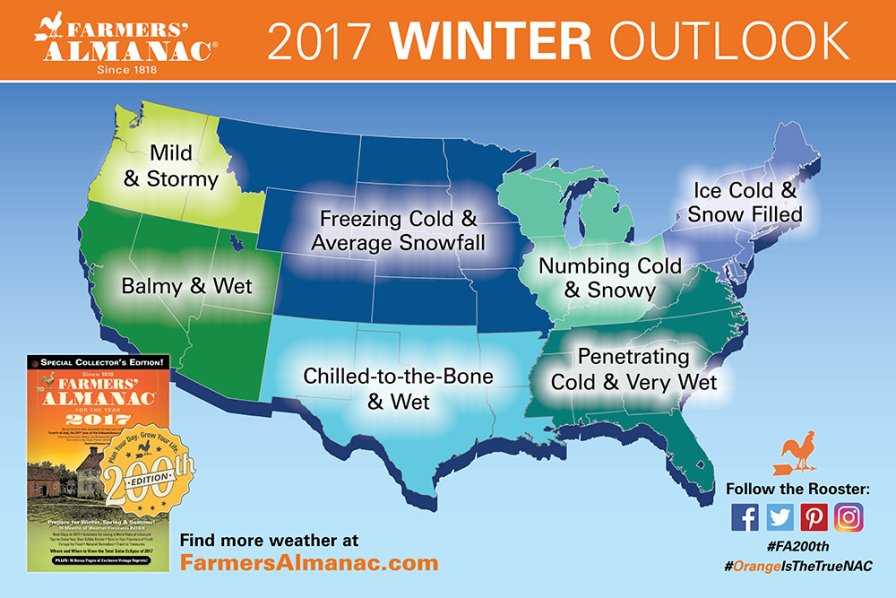
Rough Winter In Store For Much Of The U.S. Posted by Christina Herrick|August 19, 2016 The Old Farmer’s Almanac and its competitor The Farmers’ Almanac predict the 2016-2017 winter will be cold for much of the country.Read More
Why Optical Sorting Success for Fruit Packers Starts Upstream By Bret Larreau, Key Technology|October 5, 2026
Fall Creek Nursery Solidifies Business Growth With New Raspberry Deal Posted by Growing Produce Staff|October 2, 2026
Trump Campaign Announces Agricultural Advisory Committee Posted by David Eddy|August 18, 2016 Just three of the 64 are directly involved with fruits and vegetables, all three are Californians.
Growers Optimistic Despite Drought Posted by Christina Herrick|August 16, 2016 Growers say continued heat could cause early ripening, still expect season to progress as planned.
Wisconsin Is The Top Cranberry Producer In Nation, World Posted by Christina Herrick|August 16, 2016 State tops country, international production for the 22nd year.
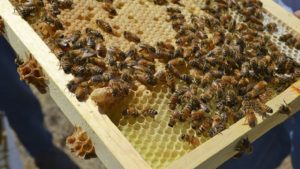
New Study Shows Neonicotinoids Pose Little Practical Risk To Bees Posted by David Eddy|August 15, 2016 Washington State University researchers reveal the controversial pesticides aren’t dangerous for bees in the real world.
Improving Drought Resilience And Reducing Nutrient Loss Are Focus Of The Soil Health Institute Posted by Rosemary Gordon|August 14, 2016 Soil health experts gain ground on standardized measurements and identify future research needs.
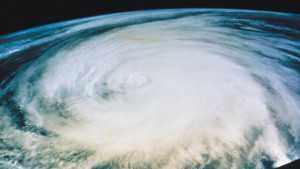
Second Half Of Atlantic Hurricane Season Could Get Hairy Posted by Paul Rusnak|August 12, 2016 After a relatively sluggish start to the campaign, revised forecast foresees increased tropical activity ahead.
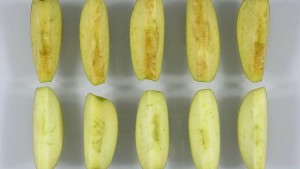
GMO Nonbrowning Fuji Apple One Step Closer To Approval Posted by David Eddy|August 11, 2016 USDA moves Okanagan Specialty Fruits’ variety to nonregulated status; public comment period is forthcoming.
New UTV To Hit The Market In January 2017 Posted by Rosemary Gordon|August 11, 2016 Yanmar enters the UTV market with two designs of its Bull Series.
Therapeutic Cannabis Culture Taking Off In Florida Posted by Paul Rusnak|August 10, 2016 Another licensed nursery gets the go-ahead; makes deliveries to patients in need.
The Top 10 Muscadine Grape Varieties For Consumer Appeal Posted by Paul Rusnak|August 10, 2016 UF/IFAS scientists scour the best selections for health, taste, and smell.
Protect Yourself From The Zika Virus [Opinion] Posted by Jack Payne|August 10, 2016 The University of Florida is on the front lines of the battle against mosquito-borne diseases.
Florida Farmers Need Not Sink Amid Algal Bloom Stink [Opinion] By Paul Rusnak|August 9, 2016 In the wake of an algal bloom disaster, growers need to be prepared, proactive, and farm smart. There is much at stake.
Water Quality Win Streak Continues For South Florida Farmers Posted by Paul Rusnak|August 9, 2016 Despite record rainfall, producers in the Everglades Agricultural Area again exceed phosphorus reduction standards.
Longtime Member Of UC-Davis Postharvest Technology Center Takes The Helm By David Eddy|August 8, 2016 Dr. Trevor Suslow, who has been a member at the center for 20 years, is taking over for Elizabeth Mitcham.
Vintner Donates $500,000 To Help Ensure Clean Grapevines Posted by David Eddy|August 8, 2016 John Dyson, who owns wineries in both Italy and the U.S., helps to provide endowed chair position in the Department of Plant Pathology at UC-Davis.
National Sustainable Agriculture Coalition Releases FSMA Special Reports Posted by Christina Herrick|August 8, 2016 Comprehensive reports help readers understand the rules for produce farms and food facilities.
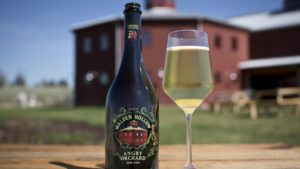
Angry Orchard Debuts Cider Made From New York Apples By Christina Herrick|August 8, 2016 Walden Hollow is named after cider house’s town and is all about fruit from the Empire State.
Save The Pollinators [Opinion] By Rosemary Gordon|August 6, 2016 Bees need to be protected as these beneficial, pollinating insects have an important job: They help increase yields of both fruits and vegetables.
Washington Apple Crop Huge, But Not A Record Posted by David Eddy|August 5, 2016 The 2016 Washington apple harvest is predicted to be about 133 million boxes.







![Protect Yourself From The Zika Virus [Opinion]](https://s3.amazonaws.com/files.growingproduce.com/growingproduce/wp-content/uploads/2016/08/mosquito_trio_screencap-300x169.jpg)
![Florida Farmers Need Not Sink Amid Algal Bloom Stink [Opinion]](https://s3.amazonaws.com/files.growingproduce.com/growingproduce/wp-content/uploads/2016/07/algal_bloom_mangroves1-300x169.jpg)

![Save The Pollinators [Opinion]](https://s3.amazonaws.com/files.growingproduce.com/growingproduce/wp-content/uploads/2016/06/honeybees-300x169.jpg)