Fruits
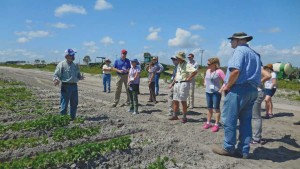
Annual event allows representatives of federal and state agencies to get an up-close look at Florida agriculture.
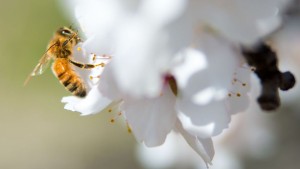
The European honeybee gets all the attention, but there are more than 3,600 species of wild bees in North America.
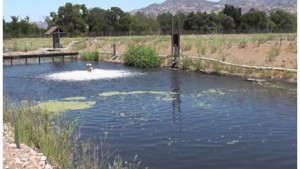
New research shows wastewater could be a sustainable solution for irrigating vineyards.
Marc Fuchs receives the New York Wine & Grape Foundation 2016 Research Award for addressing and combating grapevine diseases.
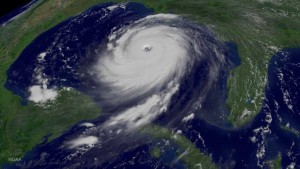
Exiting El Niño setting stage for return to normal storm activity in the tropics.
Alliance for Food and Farming says new number one a way to rattle cages of mainstream media.
You don’t necessarily have to wear your competitive edges on your sleeve to succeed, but without a passion and drive for improvement, what’s the point?
Growers are fine-tuning production of fledgling crop.
Apples from Washington State among the supplies sent to astronauts in the space station.
Phytelligence collaborates with Washington’s Tip Top Orchards to create novel, high value, sweet cherry varieties.
Crop insurance, smudge pots, among tactics growers have been using to combat cold temperatures.
Oregon State University publication recommends best practices for managing pesticide applications to protect bees via a smartphone app.
Recently renovated Fly Creek Cider Mill & Orchard to host live NBC broadcasts on Thursday and Friday.
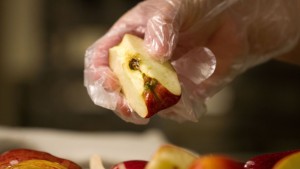
Red apple slices sold separately and in lots with sliced vegetables could contain Listeria Monocytogenes.
The Western Growers Association sets up a Silicon Valley-like innovation hub — in the heart of farmland.
VinSense LLC has received a grant from the National Science Foundation to fund expansion of a software program that helps growers make irrigation and other vineyard management decisions based on climate, weather, soil variation, and other factors.
Always follow the instructions on the product’s label.
Grape growers in Pennsylvania’s Lake Erie basin are being invited to participate in a new program called VinES (Vested In Environmental Sustainability). The goal of the program is to reduce pollution into Lake Erie while increasing growers’ profitability.

Researchers say snow does not kill spores, but it does complicate spraying copper and other products.