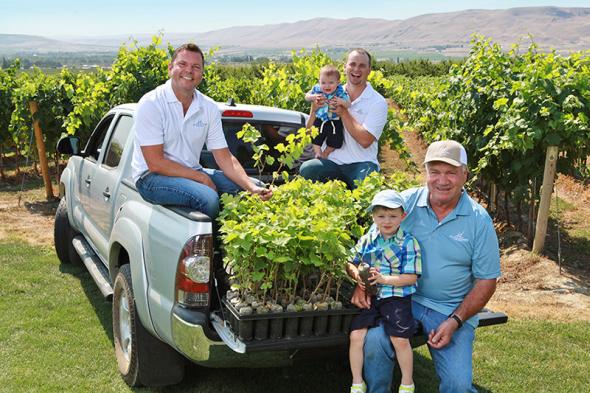
Inland Desert Nursery Is Main Source For Washington’s Clean Vines By Erika Holmes|May 26, 2015 The Judkins family has been in the business of clean grapevines for more than 40 years. Today, their […]Read More
Why Optical Sorting Success for Fruit Packers Starts Upstream By Bret Larreau, Key Technology|October 5, 2026
Florida Proud To Be Home Of The Brave [Opinion] By Adam Putnam|May 25, 2015 Operation Outdoor Freedom invites wounded service members and veterans of the U.S. military to enjoy recreational activities in state forests and on private lands.
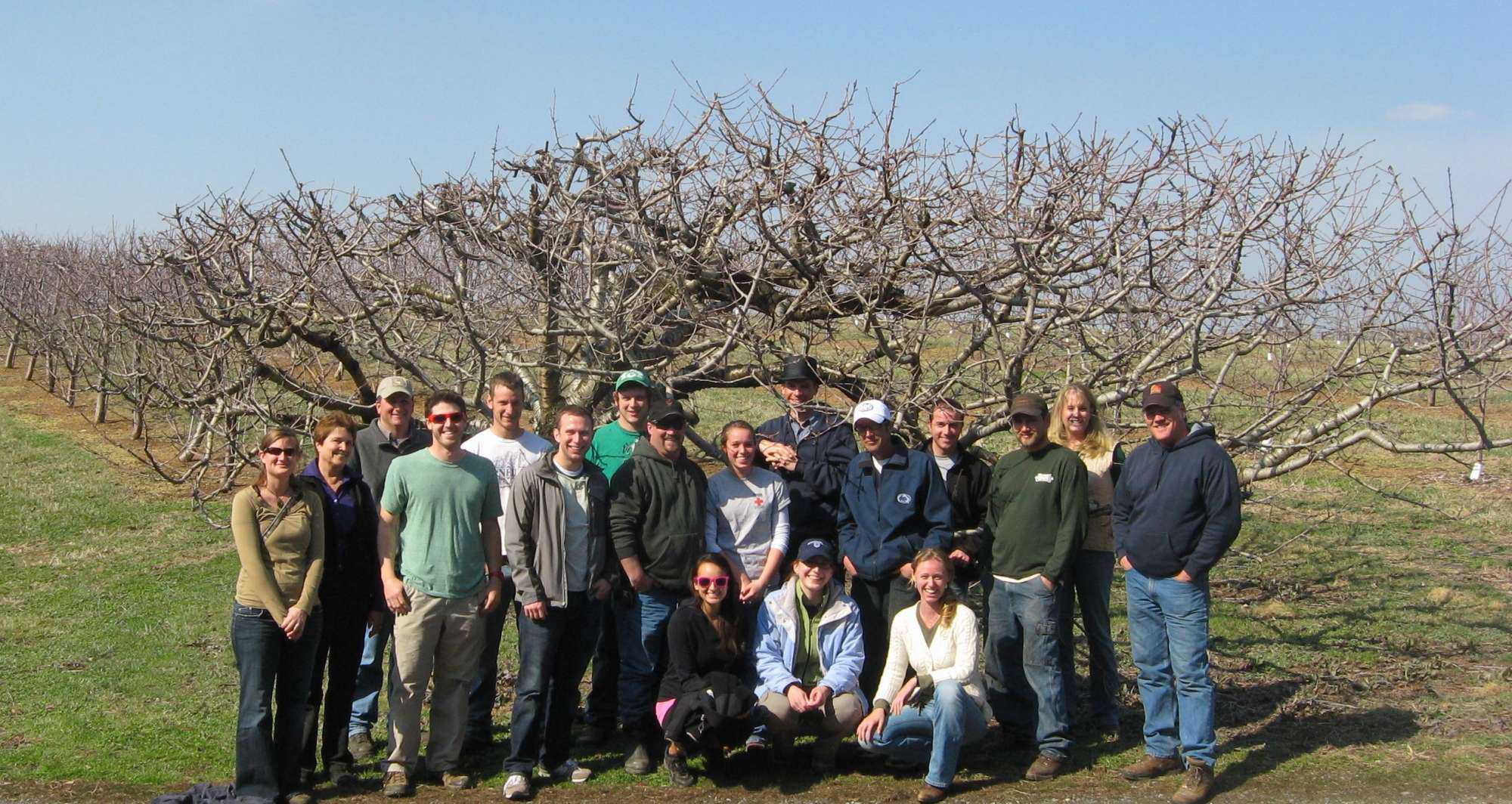
Q&A With Penn State’s New Young Grower Alliance Coordinator By Christina Herrick|May 22, 2015 Erin Dugan recently joined Penn State University extension as a specialty crop innovations program manager and Young Grower […]
How To Start A Young Grower Association By Christina Herrick|May 22, 2015 You have recently returned to your family’s business. You have friends and family you can tap for their […]
Researcher Using ‘Precision Breeding’ To Create Disease-Resistant Winegrapes Posted by Paul Rusnak|May 20, 2015 Breakthrough would mean significant savings on pesticide and fungicide sprays.
Southwest Florida Research And Education Center Embracing New Expansion Posted by Paul Rusnak|May 20, 2015 A 7,000-square-foot addition to the UF/IFAS facility will house labs and offices for potential new faculty members.
South Florida Rainy Season Could Wind Up On Drier Side Posted by Paul Rusnak|May 20, 2015 National Weather Service anticipating El Niño to play a hand in possible below-normal conditions.
Produce Safety Alliance Offers Course To Become A Certified Trainer Posted by Lauren María Alexander|May 20, 2015 The Produce Safety Alliance (PSA) has announced dates for their first two Train-the-Trainer courses this June. The first […]
Matthew Fidelibus To Be Recognized For Extension Work Posted by Christina Herrick|May 20, 2015 The American Society of Enology and Viticulture (ASEV) recently announced that Western Fruit Grower™ magazine contributor Matthew W. […]
Grants Available For Farmworker Education Posted by Christina Herrick|May 19, 2015 Grants are available for farmworkers and their families interested in attending adult educational programs through the Washington Apple […]
$10 Million Available For California Water Conservation Program Posted by Christina Herrick|May 19, 2015 Applications for the California Department of Food and Agriculture’s (CDFA) California State Water Efficiency and Enhancement Program (SWEEP) […]
Bad Weather Or Not, Preparation Always On Radar For Florida Farmers [Opinion] By Paul Rusnak|May 19, 2015 You cannot prevent a natural disaster from taking everything you have, but you can lessen the blow if and when it happens.
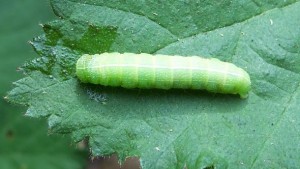
Green Fruitworm Numbers High In Pennsylvania Posted by Christina Herrick|May 19, 2015 In their latest insect report, David Biddinger and Grzegorz Krawczyk, tree fruit entomologists discuss the timing of pest […]
Apple Scab Alert Posted by Christina Herrick|May 18, 2015 Kari Peter of Penn State University Extension warned growers of possible apple scab and fire blight infections following […]
USDA To Invest $21M To Help Growers Cope With Drought Posted by Christina Herrick|May 18, 2015 USDA’s National Resources Conservation Service (NRCS) will allocate $21 million for growers and ranchers to apply conservation practices […]
BB Hobbs Bolsters Business In Central Florida Posted by Paul Rusnak|May 18, 2015 Irrigation specialists celebrate opening of new branch warehouse in Plant City.
How To Control Disease During Rainy Weather Posted by Christina Herrick|May 18, 2015 The recent warm, wet weather conditions are prime for fungal and bacterial diseases, says Annemiek Schilder of Michigan […]
BioWorks Launches New Fertilizer And Biostimulant Posted by Lauren María Alexander|May 15, 2015 BioWorks, Inc., launched ON-Gard, a new organic fertilizer and biostimulant. ON-Gard is a 100% plant-derived product with organic […]
House Votes To Stop “Flawed” Waters Of The United States Rule Posted by Lauren María Alexander|May 15, 2015 The U.S. House of Representatives approved this week bipartisan legislation that requires the withdrawal of the Waters of […]
Pointers On How To Save Money, Increase Sprayer Efficiency Posted by Rosemary Gordon|May 15, 2015 Using clean water when calibrating a pesticide sprayer and carrying extra nozzles for quick repair of simple problems […]





![Florida Proud To Be Home Of The Brave [Opinion]](https://www.growingproduce.com/wp-content/uploads/2015/05/OperationOutdoorFreedom-300x169.jpg)



![Bad Weather Or Not, Preparation Always On Radar For Florida Farmers [Opinion]](https://www.growingproduce.com/wp-content/uploads/2014/05/hurricane_evacuation-300x169.jpg)