Fruits
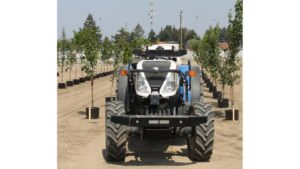
GPS-guided machinery providing real-time insights that help growers automate a number of processes and work with higher precision.
President and CEO Zachary Fraser has background in sports marketing, not agriculture.
Learn more about the collaborative effort that aims to map the latest growth of the controlled environment agriculture industry.
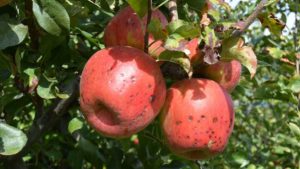
Myriad solutions being tried by growers of the popular apple variety to prevent bitter pit.
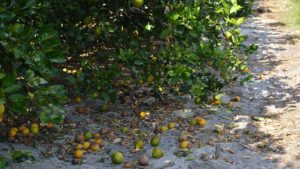
Pathogens responsible for citrus fruit drop identified. And HLB is not among them. Symposium to offer more insight and solutions.
Recent excess rainfall event swamps parts of the Sunshine State. University of Florida researchers want to hear from growers about impacts.
Learn who earned honors this year among top apple growers from the East, Midwest/Mountain, and West regions.
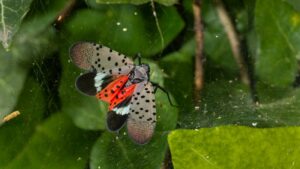
Initial find has long been feared because the Golden State produces 90% of the nation’s grapes, the invasive pest’s favorite food.
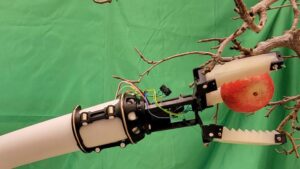
Aiming to help alleviate labor issues in the orchard, Washington State University researchers introduce newly developed robotic gripper.
Farmers report 22.9 million treated acres of crop protection applications in the first four months of 2024, the highest at the end of April since 2020.
Newly released framework aims to put more farm in the farm bill.
Feedback from latest State of the Fruit Industry survey says growers wrestle with heat and heavy rain, but frost is enemy #1.
Data- and AI-driven robotic operations are quickly becoming the solutions farmers turn to, not only to speed up operations, but to protect their workers.
Ag officials have declared the end of the Oriental fruit fly quarantine in Sacramento and Santa Clara counties following eradication of the invasive pest.

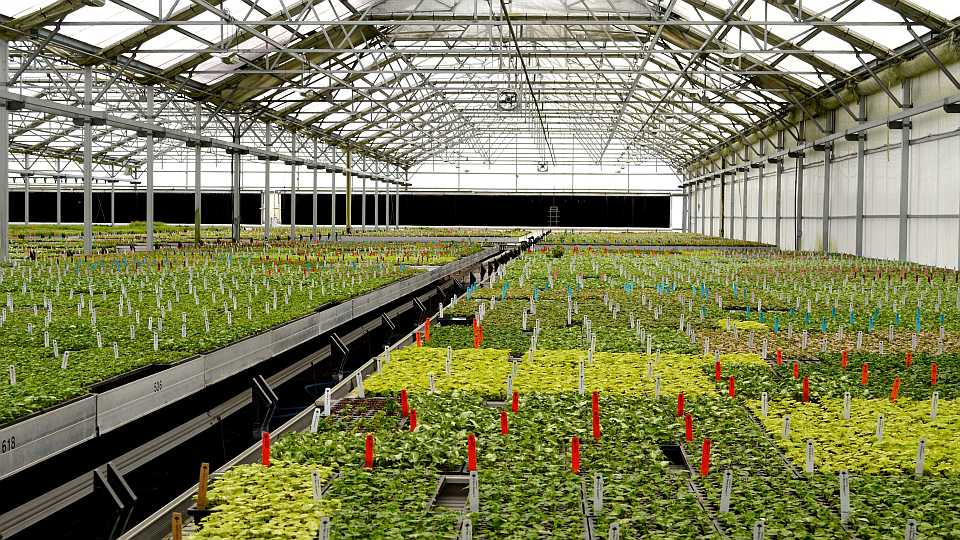
Promise the best environment for your starter plants by exploring groundbreaking perspectives and technologies you can use in your operations.
Newly published study from University of Florida scientists finds way for growers to reduce insecticide use and still gain control of the pest.
U.S. fruit growers, particularly those of berries, stay positive despite another year of rising input costs, extreme weather, and labor woes.
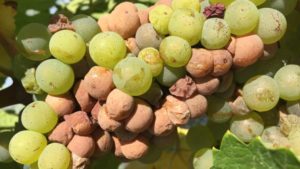
Cornell researchers confirm damaged grape skin combined with fruit fly pressure make for increased chances of sour rot in vineyards.
With declining domestic production, imports of fresh fruits and vegetables have grown substantially over recent years. Experts analyze the numbers.