Stone Fruit
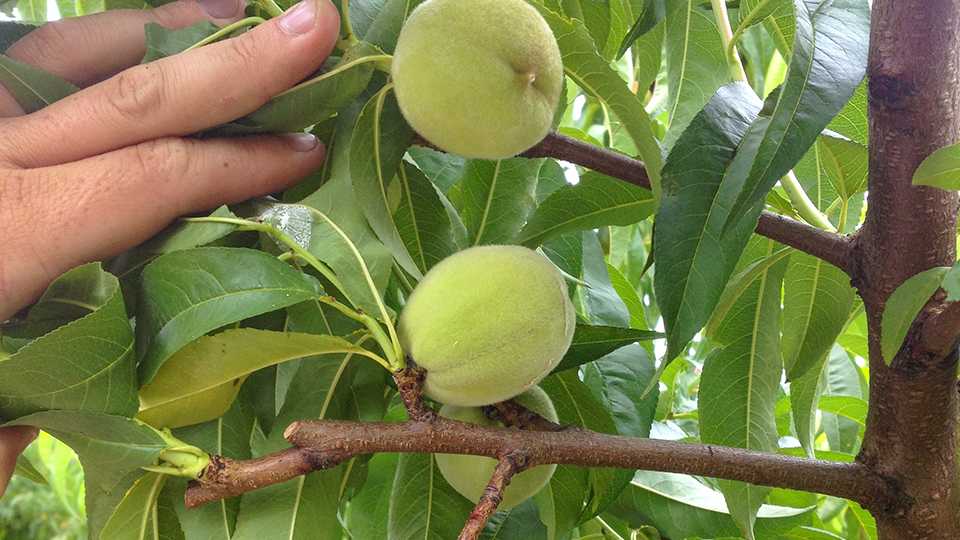
Genes in peach’s wild relatives and local domesticated varieties could improve the resistance of domesticated peach to climate change.
Many growers have stuck with short pruning despite it requiring more labor and opening up trees to greater chance of infection. But perhaps not for long.
Keynote speeches will highlight the latest research on postharvest quality, preventing shrivel, and ensuring optimum quality during long-distance transit.
Survey responses stress the importance to do the ripe thing.
Learn the latest research being done to help solidify stone fruit production in the Sunshine State.
Stay a cut above with pointers applicable to pome and stone fruit.
The question remains: Why haven’t more growers turned to orchards that are more readily harvested from the ground?
Among the many obstacles to consider are time, money, and experience.
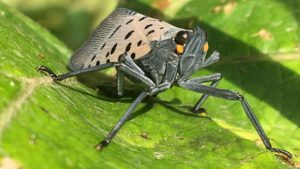
Discovery of one dead adult leads to the capture of five live adults near the Pennsylvania border.
Clemson University peach breeder to lead multi-state team of scientists to develop new rootstocks resistant to armillaria root rot.
Learn more about what turned out to be a sweet accident for one Washington State grower.
Fruit topics dominate this year’s list of must-see books, videos, fact sheets, and websites recognized by the American Society for Horticultural Science.

Two-pound bags supplied by Wawona Packing Co. voluntarily removed from shelves of Aldi stores in up to 20 states due to possible contamination.
Organization’s top priorities include nutrition research, trade policy, and industry unification.
Knowing how to start stubs and maintain them is challenging to the novice tree trainer.
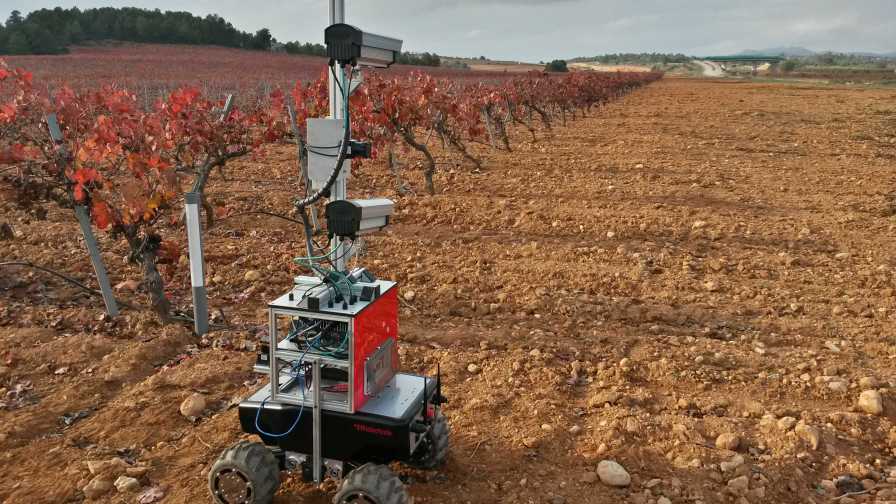
Tree fruit versions of robotic house vacuums and lawnmowers will soon simplify life for growers.
Trio of releases from USDA geared toward feeding Southeast U.S. markets.
Veteran grower advises building homes for barn owls, the “perfect gopher-killing machines.”
Plant disease wastes no time destroying pome tree dreams, oftentimes under the cover of darkness.