Nuts
Program to develop strategies to reduce public health risks in food chain.
The increase follows a trend in which acreage has doubled in the last 20 years.
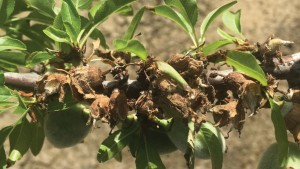
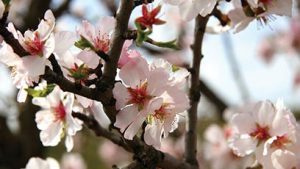
Rains at bloom are causing higher than normal incidents of bacterial infections.
Agency calls for swifter processing of paperwork so growers’ requests for crews can be met.
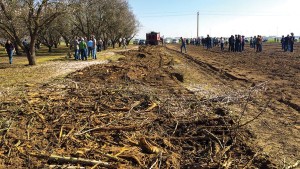
A giant new machine gobbles up whole trees and spits out the chunks, which eventually get worked back into the soil.
California experienced 158 cargo theft incidents in 2015, costing businesses nearly $19 million – more than any other state.
Almond Doctor David Doll shares insight into what impacts nut set.
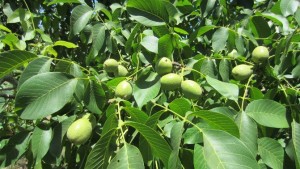
Watering walnuts too early can harm root systems, while waiting too long can lead to reduced kernel size. Researchers are working to find the sweet spot.
‘Durham’ offers excellent kernel color and fill, reduced susceptibility to blight, and harvests about 10 days earlier than ‘Chandler.’
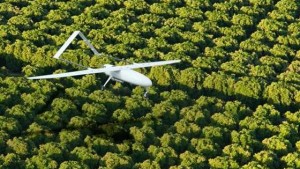
Drone-based thermal imaging could help growers drastically improve irrigation efficiency in orchards.
The Western Growers Association sets up a Silicon Valley-like innovation hub — in the heart of farmland.
Mohammad Yaghmour recently joined UCCE as Orchard Systems Advisor for Kern and Kings counties. We caught up with him to find out what he’s most interested in researching further, and what he can bring to the table to help nut growers succeed.
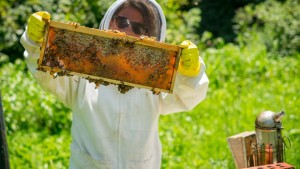
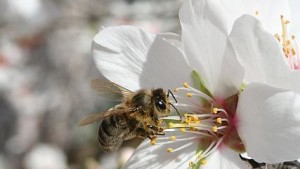
Experts believe those on the front lines in the battle to save the bees are absolutely critical.
We caught up with 2016 program participant Ethan Nicol to find out about his career goals, as well as his thoughts on some of the greatest challenges facing the almond industry.

Researchers share insight into the latest developments in the treatment and management of Bot canker and blight.
The company cites limited water resources and other market factors for the almond removal.
Multi-site mode of action classified in new group by Fungicide Resistance Action Committee.
Most walnut orchards are pruned annually during the establishment phase – a costly, laborious endeavor. But, there has been some promising research showing that annual pruning might not be necessary.
While the situation seems to be improving, California still has about 5.5 million acre-feet less surface water storage than average for this time of year.