Production
Air vents are a common entry point for pests, and may need screening.
Nutrient stewards on the farm set an example for all to follow now and into the future. Here’s your chance to learn from some of the standouts in Florida.
Find out how seed companies are doing their best to stay ahead of production trends.
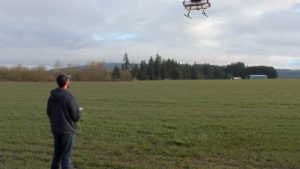
See how a Syracuse, NY-based startup is using unmanned aerial vehicles to fly over orchards and increase yields by 25% to 50%.
Promising research from Washington State University shows direct root zone irrigation can save precious resource.
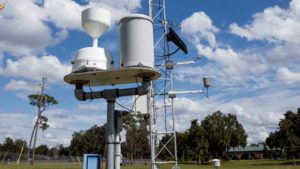
NOAA forecasters take a stab at what’s in store for the U.S. by way of temperature and precipitation. Find out what they’re thinking.
USDA reports that from 2012 to 2017 total agricultural product sales stayed flat overall. Yet over that same time frame, U.S. total organic product sales more than doubled.
The St. Johns River Water Management District has funded 85 ag-based conservation initiatives over the last four years. Learn who made the list this time.
Ag tech that grows produce hands-free from half way around the world has come to fruition, and it’s an international award-winner.
The launch of Organic Fraud Prevention Solutions program is rolling out for the 2020 crop season. Here’s what you need to know now.
To help you decide, let’s talk about the similarities and difference between these structures.
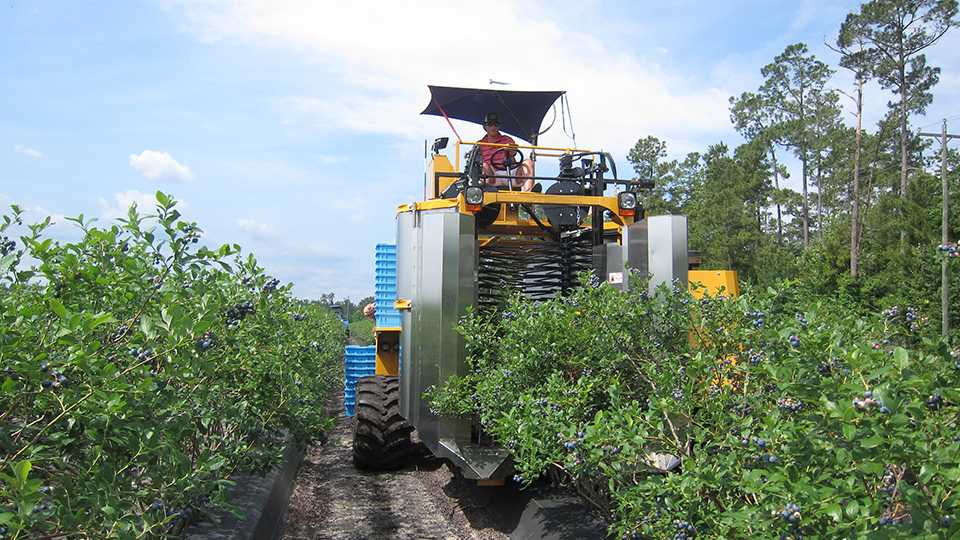
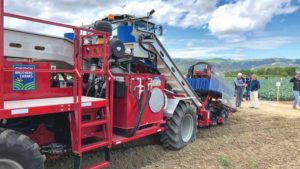
Find out what one Florida grower used to custom harvest nearly 800,000 pounds of blueberries last season.
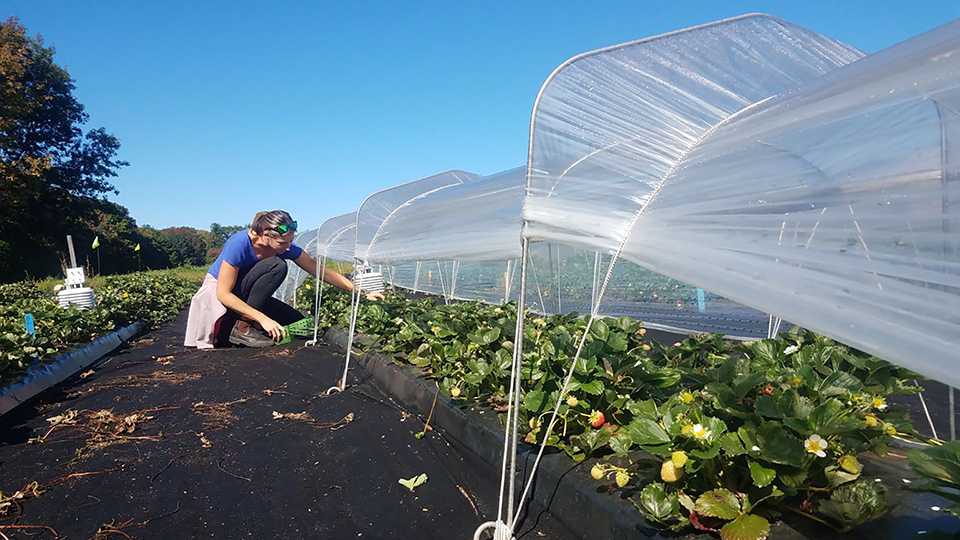
Protected ag structures can shield peaches and nectarines from harmful environmental conditions. Scientists are adding up what that means for profitability.
Management of honey bees and bumble bees can contribute to optimal fruit set and better yield.
False claims threaten to weaken the premium prices organic produce commands. Experts share what it’s going to take to protect the USDA Certified organic brand.
USDA National Organic Program responds to American Vegetable Grower’s October 2019 cover story on import fraud in the U.S. organics market.
Frog Song Organics in Central Florida aims for sustainability by focusing on human, environmental, and economic resources.
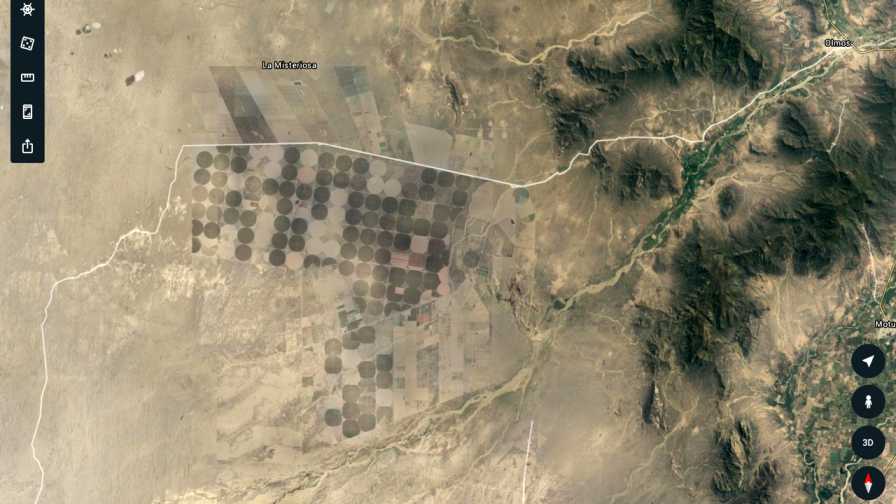
How little can you irrigate without risking a lower yield — even water-hungry crops like celery?
North Carolina State University researchers explored the costs and potential revenue that you could potentially generate from selling unharvested produce. Here’s what they found.