Production
EZ-Ag Innovations’ technology can help growers spray only weeds and minimize damage to surrounding crops, including strawberries and tomatoes.
It is in the area of spray applications that drones have made the most significant headway in the market. Is it time for you to take the plunge?
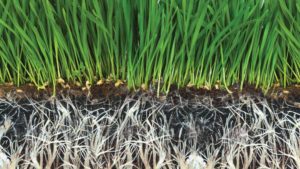
Fine-tuning soil fertility is an affordable, sustainable way to reduce plant disease risk.
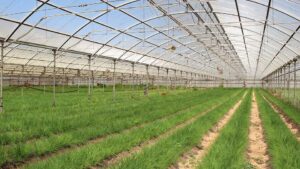
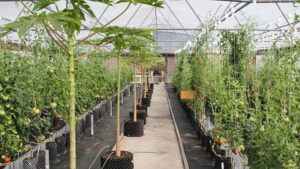
Recent research indicates the global indoor farming technology market is projected to grow from $20.3 billion in 2023 to $32.3 billion by 2028.
See what farming in motion looks like at Red Fire Farm, a certified organic, family farm in western Massachusetts.
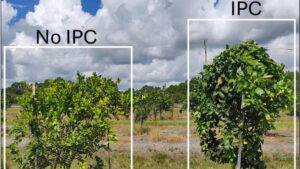
Family farm in Central Florida is set to open as the state’s first U-pick agritourism stop employing Citrus Under Protective Screen technology.
Matt McGuire and JV Smith grow with smart agriculture through research, collaboration, and innovative technology.
Growers must embrace innovation and adopt innovative irrigation solutions, such as smart irrigation, automation, and precision drip irrigation.
Source, time, place, and rate help vegetable growers manage nitrogen efficiently, reduce losses, and optimize crop health.
Tilmor has released the Super E – an electric cultivating tractor built to improve efficiency in planting, weeding, and fertilizing for growers.
Chitosan plays myriad roles in orchard protection, both as a biopesticide and biostimulant.
Climate change is turning up the heat in blueberry fields. Learn how rising temperatures can disrupt blueberry pollination.
The project includes two test beds: one irrigated via traditional methods and one served by the AI-powered system. Which will prevail?
Suboptimal irrigation, fertilization methods, pest control can lead to reduced yields, increased resource waste, and higher operational costs.
From a humble homestead to a thriving market farm, Rocky Suns Farm proves that small-scale agriculture can make a big impact.
Based on nearly a decade of experience, Montana State’s Zach Miller outlines methods for protecting honeyberry crops from hungry birds.
Applications of supplemental sulphur are routine, but depending on the crop and on soil conditions, it’s not always simple to know how much to put out.
To minimize the risk, split applications or more frequent lower-dose applications are recommended. Soil amendments may help, too.
Verdesian Life Sciences announces the appointment of Nick Ebert as its chief revenue officer.