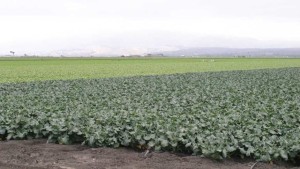
Study: Consumers Prefer U.S.-Grown Organic Broccoli Posted by Paul Rusnak|July 9, 2015 Country of Origin Labeling a major factor in purchasing decisions.Read More
This New Handbook Blows the Cover off Cover Crops By Sustainable Agriculture Research and Education|October 26, 2026
How Florida Farms Weathered Tropical Punch from Hurricane Isaias [PHOTOS] By Paul Rusnak|October 26, 2026
3 Important Plans Every Farm Family Needs for a Smooth Transition By Heather Gessner, South Dakota State University|October 26, 2026
Watch as Niqo Robotics Unveils New Giant AI RoboWeeder Posted by Growing Produce Staff|October 26, 2026
Toro Releases Upgrade To AquaFlow Drip Irrigation Design Software Posted by Lauren María Alexander|July 8, 2015 Toro, a provider of precision irrigation equipment, has announced another upgrade to its AquaFlow drip irrigation design software. […]
Use Broccoli Rotations To Reduce Disease And Minimize Leaching By Richard Smith|July 1, 2015 Crop rotations are a key production practice utilized by every grower. You recognize the importance of rotations to […]
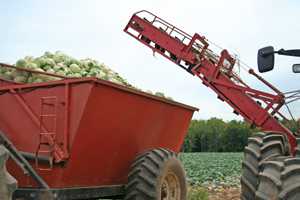
Harvest Trends: More Mechanization Needed For Vegetable Growers By Rosemary Gordon|July 1, 2015 As the labor supply declines, industry experts and growers say investing in the latest harvesting technology will be necessary.
The ROI On An Organic Checkoff [Opinion] By Richard Jones|June 29, 2015 Organic agriculture is more profitable for farmers than conventional agriculture, according to a recent study published in the […]
Plight Of Pollinators Presenting Sticky Situation By Mary Hartney|June 24, 2015 Growers, beekeepers, and the ag-chem industry urged to work together to protect pollinators and plants.
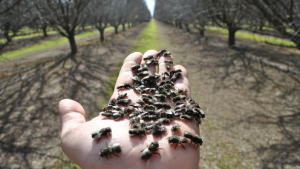
Pollinator Protection Dependent On Pure Partnerships [Opinion] By Frank Giles|June 18, 2015 Florida bee BMPs program has not only improved cooperation between growers and beekeepers, but also shows that voluntary efforts work.
President Obama Allocates $110M For Drought-Relief Posted by Christina Herrick|June 16, 2015 On Friday, President Obama announced the investment of $110 million to support workers, farmers, and rural communities suffering […]
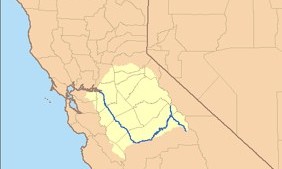
Senior Water Rights Curtailed In California’s Delta, San Joaquin, And Sacramento Watersheds Posted by Christina Herrick|June 16, 2015 Growers in the San Joaquin and Sacramento watersheds and the surrounding delta have been asked to stop diversions […]
Scientists Reveal Basis Of Drought Tolerance In Plants Posted by Lauren María Alexander|June 16, 2015 Regions all over the globe are suffering from severe drought, which threatens crop production worldwide. This is especially […]
Start Off Irrigation Season Right With The Proper Inspections Posted by Lauren María Alexander|June 9, 2015 Crop producers need to start preparing for irrigation season now as planting nears the end, says a Purdue […]
8 Production Tips For Greenhouse Production By Rick Snyder|June 1, 2015 This month, I’d like to offer eight “quick and dirty” tips that will help beginning growers as well […]
Low Tunnels Aid In Overwintering Onions By Rosemary Gordon|June 1, 2015 Inexpensive structures provide surprising winter protection and potential marketing opportunities in cold climates.
Year-Round Production With High Tunnels Posted by Lauren María Alexander|May 31, 2015 [blackoutgallery id=”73819″] Producing crops year-round may be business as usual for growers in places like California and Florida, […]
Organic Fruit Production Pollinator Conservation Tactics By Emily May|May 29, 2015 Many fruit crops are dependent on insect pollinators, so supporting them is critical to your farm’s success.
Buzzworthy Trend: Florida’s Bee Colonies Building Posted by Paul Rusnak|May 29, 2015 Cooperation between beekeepers and growers paying off.
NMSU Researchers Use Protected Agriculture For Season Extension Posted by Lauren María Alexander|May 28, 2015 The demand for safe, nutritious, affordable local food, particularly for fresh fruits and vegetables, is rising in New […]
Numbers Of Organic Farms, Sales, Continue To Soar By David Eddy|May 28, 2015 Of all the fruits and vegetables sold in the U.S., 12% is now organic, doubling market share in the past decade.
The Benefits Of Vineyard Mechanization Posted by Christina Herrick|May 27, 2015 Labor accounts for a substantial fraction of the production costs of most fruits, including grapes. Manual harvest is […]
David Peri of Peri & Sons Receives Outstanding Agriculturalist Award Posted by Lauren María Alexander|May 22, 2015 David Peri, president of Peri & Sons Farms, has been named the 2015 Nevada Outstanding Agriculturalist Award by […]




![The ROI On An Organic Checkoff [Opinion]](https://www.growingproduce.com/wp-content/uploads/2015/06/USDA_organic-300x169.jpg)
![Pollinator Protection Dependent On Pure Partnerships [Opinion]](https://www.growingproduce.com/wp-content/uploads/2015/02/Scott-bee-300x169.jpg)