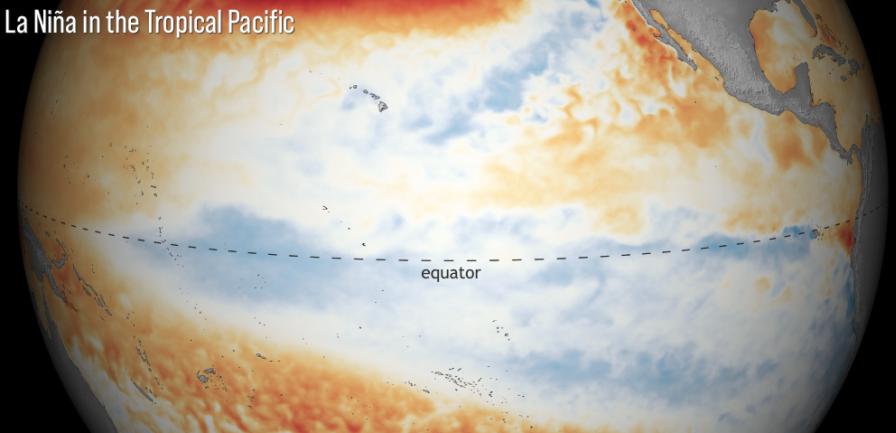
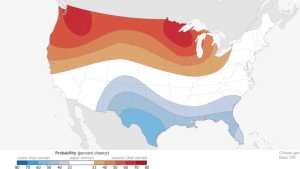
Climate Conditions Go In for a Double Dip: Here Comes La Niña – Again!? Posted by Paul Rusnak|October 19, 2021 The tell-tale atmospheric phenomenon is setting up shop for the second winter in a row. Here’s what it might mean for weather across the U.S.Read More
The Hidden Margin Leak Between Projected and Actual Harvest Dates By Muhammad Abdullah, Folio3 Agtech|June 2, 2026
New Round of USDA Aid for Specialty Crops Good News for California Walnuts By California Walnut Commission|June 1, 2026
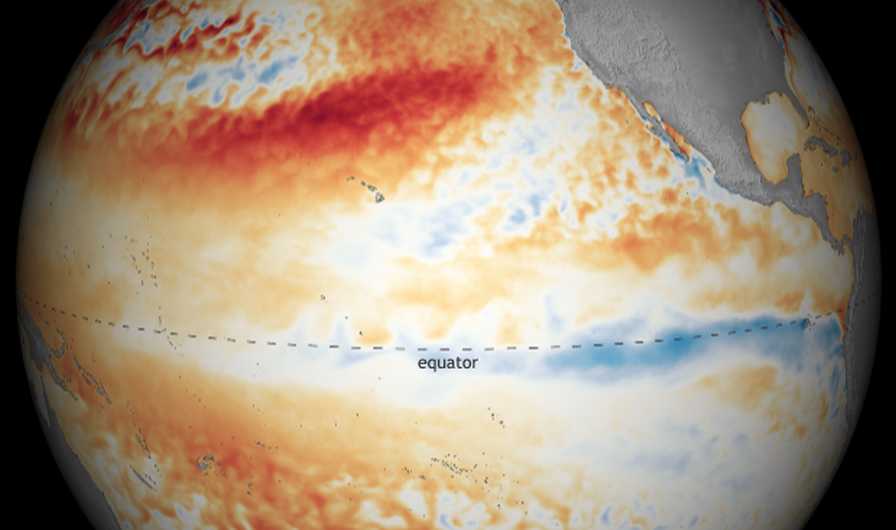
The Watch Is on for La Niña! So, What Does It Mean? By Paul Rusnak|July 24, 2020 There’s an elevated chance for the climate phase to take over this fall. Learn more about what to expect.
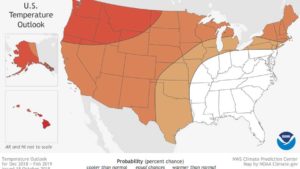
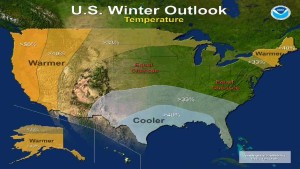
More Mild than Wild in NOAA’s Latest Winter Forecast Posted by Paul Rusnak|October 25, 2018 Much of the U.S. could see warmer-than-usual temps while El Niño is likely to make a comeback.
Climate Models Show Brown Marmorated Stink Bug’s Growing Range of Destruction By Erica J. Kistner|September 5, 2018 Recent model simulations for 2050 and 2100 show warmer temperatures likely to aid in brown marmorated stink bug’s migration patterns to the North.
How Wicked Will Winter 2018 Be in the U.S.? Posted by Paul Rusnak|August 17, 2017 The 200th edition of the Farmers’ Almanac reveals wide-ranging weather patterns and events that would require everything from shovels to shorts.
How to Handle Warming Pacific Northwestern Vineyards By Rosemary Gordon|July 3, 2017 The warming temperatures in the Pacific Northwest are well-suited for red winegrape production, but other changes in viticulture practices must be made.
New Technology Could Take Weather Intel to the Extreme for Farmers Posted by Paul Rusnak|January 19, 2017 Scientists aiming to make difficult climate-based production decisions easier for growers.
NASA, NOAA Concur 2016 Was World’s Warmest Year on Record Posted by Paul Rusnak|January 18, 2017 For the third time in three years, the heat gets turned up on surface temperature statistics.
Was 2016 the Worst Weather Year Ever? By Paul Rusnak|January 10, 2017 Near all-time records in average temperature and costly climate-related disasters make a strong case for dubious distinction.
Dry Season Dangers Not On The Radar For South Florida Posted by Paul Rusnak|November 14, 2016 Emerging from an extended period of plentiful precipitation, near-term water supply, drought issues not anticipated in the coming months.
U.S. Sweats Out Third-Warmest October On Record Posted by Christina Herrick|November 9, 2016 So far, 2016 is the second-warmest year-to-date in 122 years.
Washington’s Long, Hot Summer: Is Climate Change To Blame? By Alexandra Amonette|November 23, 2015 Looking back on 2015, which packed plenty of heat.
Forecast: El Niño Likely To Stay Through Spring Posted by Paul Rusnak|September 11, 2015 Climate pattern-fueled extremes could have big impact in certain parts of the U.S.
Wicked Winter Coming This Way Says Latest Farmer’s Almanac Posted by Paul Rusnak|August 17, 2015 Super El Niño-influenced weather patterns align to paint a less-than-pretty portrait.
Megadrought In The West Predicted By End Of The Century Posted by Rosemary Gordon|February 18, 2015 Lowering greenhouse gases will reduce risk, scientists say.
California Drought Meeting Called Posted by David Eddy|January 30, 2015 State and federal officials will discuss potential actions for the coming year.
USDA Forecast Predicts Normal Water Supply For Parts Of The West Posted by Rosemary Gordon|January 27, 2015 The Southwest, Sierra Nevada region, and Pacific Northwest are starting the year drier than normal.
Forecast: South Florida Dry Season May See Fair Share Of Damp Days Posted by Paul Rusnak|October 31, 2014 Outlook calls for possible above-normal precipitation around region for fall and winter months.
NOAA’s Winter Weather Outlook Runs Hot And Cold Posted by Paul Rusnak|October 27, 2014 Repeat of last year’s extreme cold and snow events east of the Rockies unlikely.
Study Shows ‘Megadrought’ On The Radar For Southwest U.S. Posted by Paul Rusnak|September 2, 2014 Global warming trends fuel parched prediction from scientists.