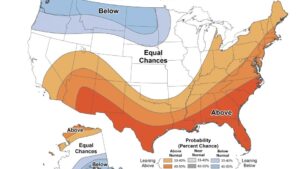
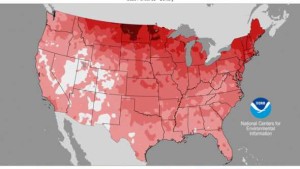
Returning climate pattern looks to bring warmer and drier conditions to the south and wetter conditions in the north, according to NOAA’s latest forecast.
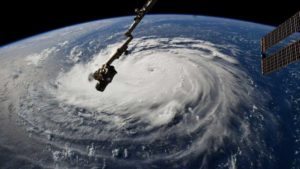
Early observations from climatology experts indicate what could be a record-breaking campaign in the tropics. So far, they’re on target.
Water supply in a surplus thanks to consecutive seasons of wild winter storms and atmospheric rivers.
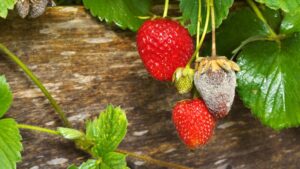
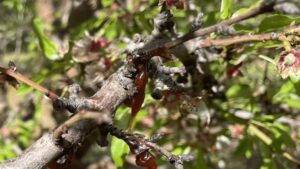
University of California scientists say wet winter there and El Niño creating favorable conditions for aerial Phytophthora pathogen.
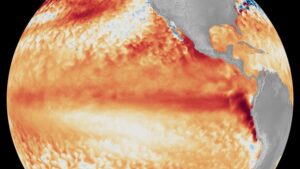
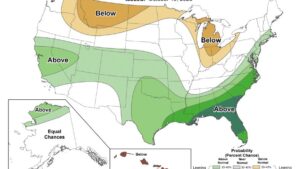
Watch out. Another winter outlook has been released. This time, NOAA has thrown its hat into the ring with El Niño at the center. Chances for havoc are up.

As the weather guessing game advances, so do the stakes for those most influenced by climatological shifts.
Cooler waters and the potential for strengthening El Niño could help keep lid on what has been a hotbed of tropical activity the last few years.
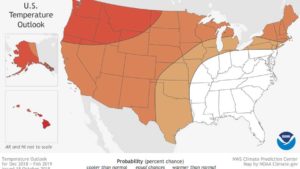
Much of the U.S. could see warmer-than-usual temps while El Niño is likely to make a comeback.
Predictions in the latest edition of ‘The Old Farmer’s Almanac’ are anything but frosty for most of the U.S.
Current conditions in the tropics warrant marked revision in potential storm season scenarios.
In any situation, proactivity pays. We can wait for the sky to fall, or we can sing in the rain.
After a relatively sluggish start to the campaign, revised forecast foresees increased tropical activity ahead.
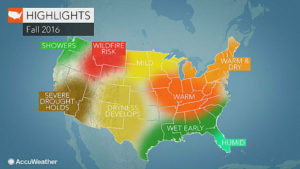
U.S. forecast calls for cool, wet conditions in the Northwest; drought to continue in West; warmth in the East; and stormy in the Southeast.
An extraordinarily wet dry season precipitates massive pumping procedure to relieve high-water levels in two critical locations.
El Niño puts an exclamation point on the end of a season filled with above average temperatures and precipitation.
Association launches new water web page and digital media campaign.
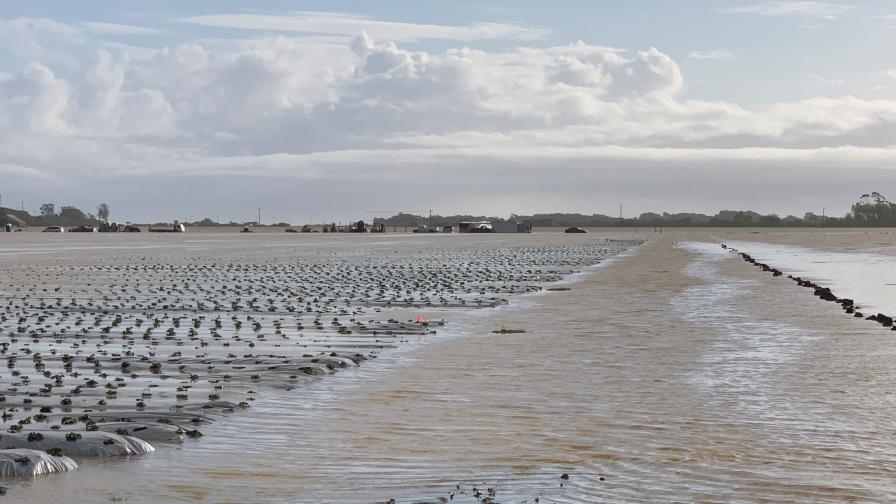
Reports show region pounded by above-average rainfall during February.
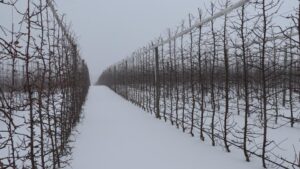
Growers gather to discuss this season’s lack of proper chill hours, learn about new varieties.
Studies show if you’re not watching the weather, you should be.