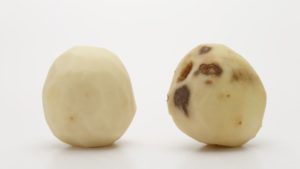
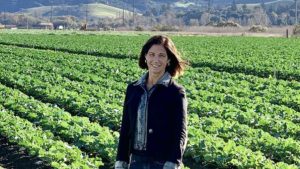
Vonnie Estes, the new VP of Technology for the Produce Marketing Association, provides insight on what the gene-editing tool means to farming and beyond.
It seems that if we listened to the anti-GMO arguments, we would freeze plant breeding and innovation in time and stifle advancements in productivity and other positive traits.
Perhaps the greatest threat to our industry is a public that values instinctual opinion over careful research and the findings of experts who have dedicated years to their field of study.






![Watch out for Anti-GMO Fake-out [Opinion]](https://s3.amazonaws.com/files.growingproduce.com/growingproduce/wp-content/uploads/2016/05/Crowd-protesting-GMOs-stock-image-FEATURE-300x169.jpg)


![Technology Boom Boosting Farm Life to a New Level [Opinion]](https://s3.amazonaws.com/files.growingproduce.com/growingproduce/wp-content/uploads/2017/01/Mobile_tech_farming-300x169.jpg)
![Make Way for Life-Saving Science on Your Farm [opinion]](https://s3.amazonaws.com/files.growingproduce.com/growingproduce/wp-content/uploads/2016/09/CRISPR_Cas9_graphic-300x169.jpg)

![Fear of GMOs is Impacting Quality Food Research [Opinion]](https://s3.amazonaws.com/files.growingproduce.com/growingproduce/wp-content/uploads/2017/03/DNA-strand-tree-public-domain-image-300x169.jpg)