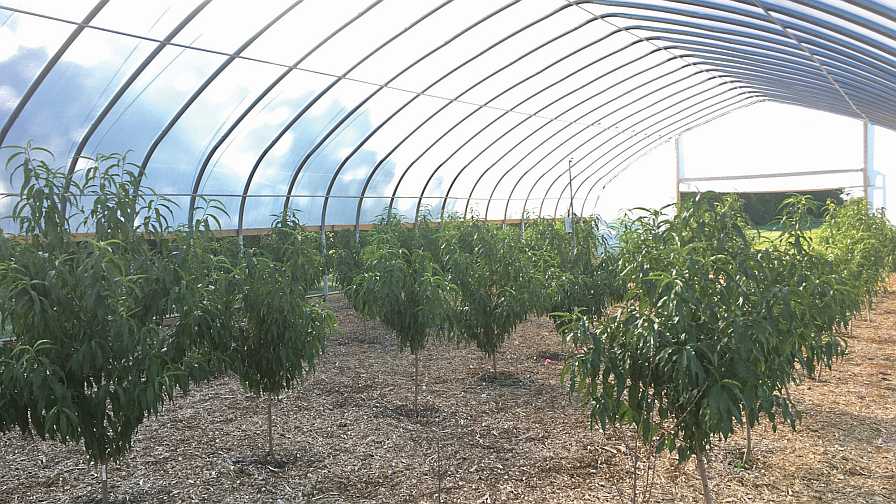
Protected ag structures can shield peaches and nectarines from harmful environmental conditions. Scientists are adding up what that means for profitability.Read More
USDA’s Natural Resource Conservation Service offers financial and technical assistance for growers interested in adding protected agriculture to their operation.
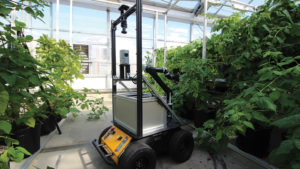
West Virginia University research project has developed a prototype “BrambleBee” to develop a more efficient process to pollinating brambles under cover.
Those who’ve only grown in fields face the unknown when it comes to growing under cover. Luckily, there are excellent programs around the country designed for growers.
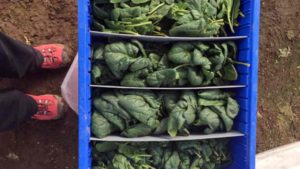
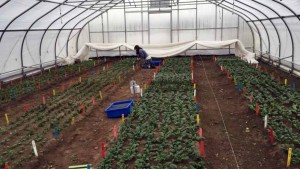
New Hampshire scientists conducted a two-year winter trial to determine the best spinach varieties and planting dates for production in unheated high-tunnels.
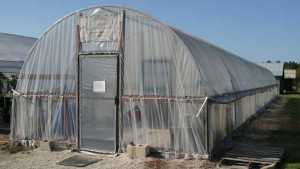
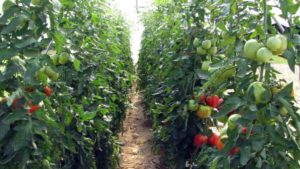
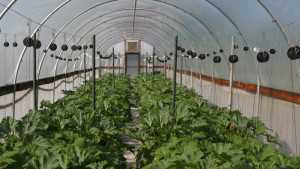
If you produce in the field and plan to add a greenhouse, or if you plan to switch from ornamentals to vegetables in protected culture, understand the systems involved and know your water source.
New Hampshire experiment station scientists conduct a winter trial in high tunnels to help growers make decisions on which varieties to plant and when.




![Who Grows Vegetables Under Cover [Infographic]](https://s3.amazonaws.com/files.growingproduce.com/growingproduce/wp-content/uploads/2016/04/An-intern-harvest-salad-greens-in-Churchill-Farms-greenhouse-300x169.jpg)