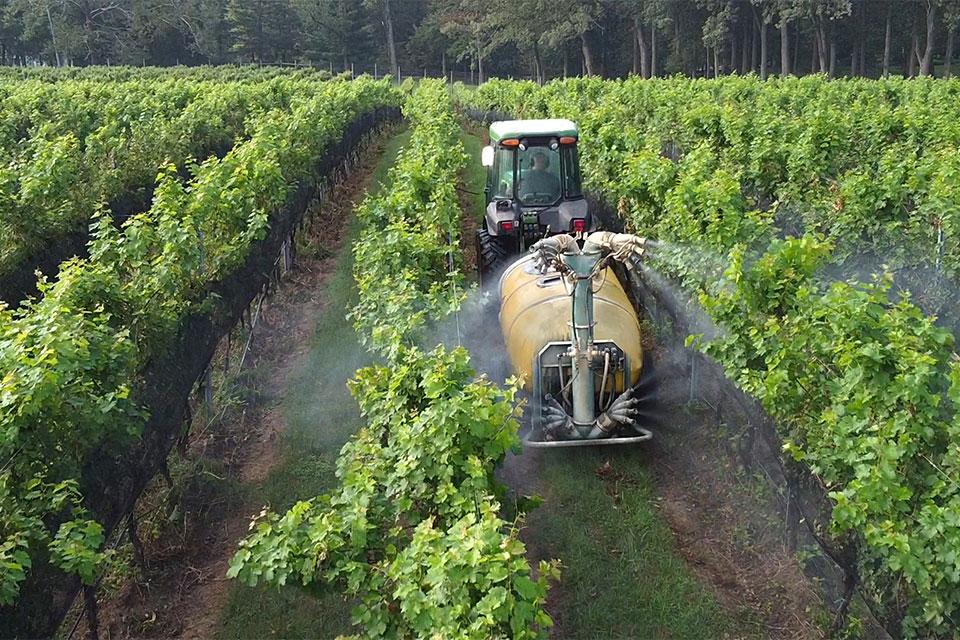
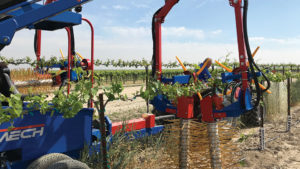
Challenges and Solutions for Efficient Vineyard Canopy Management By Thomas Skernivitz|May 6, 2025 Vineyard mechanization — front to back — helps cut labor expenses. Read More
New Survey: High Diesel Costs Forcing California Farmers to Make Tough Cuts By California Farm Bureau|October 19, 2026
What Growers Should Know About the New ‘Fontana’ Blackberry Posted by Growing Produce Staff|October 19, 2026
Will New HLB-Resistant Rootstock Change the Game for Florida Citrus? By UF/IFAS News|October 16, 2026
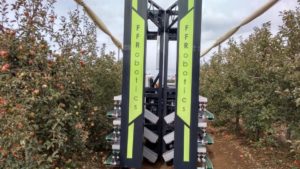
Automated Harvest In Fruit Orchards Remains a Challenge By David Eddy|April 7, 2024 Where are the robots? Mechanization matters for pome fruit growers are still daunting — and expensive.
6 Weed-Busting Farm Machines You Have To See By Thomas Skernivitz|December 27, 2023 Equipment companies take to the field to demonstrate ideal weed control.
Mulling Weed Management — What It Might Look Like 5 Years From Now By Thomas Skernivitz|August 1, 2023 Ag researchers pin hopes on precision technologies, mechanization, and improved herbicides.
Survey Reaffirms Good Vineyard Workers Are Hard To Find By David Eddy|July 25, 2023 Even wine grape growers who report no shortage of labor say they’re paying through the nose.
Name Your Favorite Farm Tools — This Veggie Grower Has a Few By Thomas Skernivitz|January 11, 2023 Growers rely on all types of equipment on their farms, some machines more preferred than others. Gail Fenton of Fenton’s Produce offers up a handful.
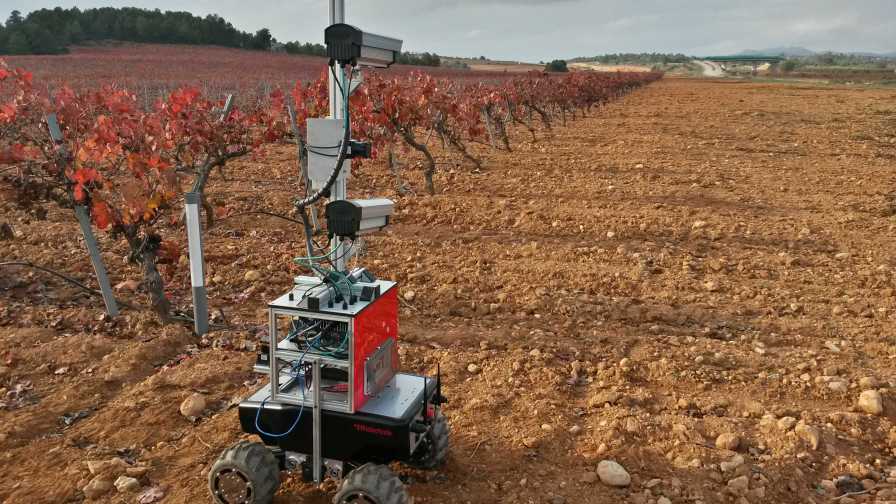
Mechanization in the Vineyard Looks Ripe for Growth By Esmaeil Nasrollahiazar|March 15, 2022 Robotic equipment and monitoring technologies, such as remote and proximal sensing, provide new opportunities to Michigan grape growers.
Why One Small Vegetable Farm Adopted Mechanization By Carol Miller|March 2, 2022 See how Gail and Paul Fenton research ways to lighten labor demands and make their crops competitive.
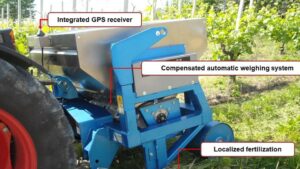
Upgrades to Vineyard Equipment Means More Gains for Growers By Thomas Skernivitz|March 1, 2022 With labor becoming scarcer and more expensive, grape producers are relying more than ever on mechanization.
Why American Produce Growers Need to Mechanize Crops and Educate Consumers Now By David Eddy|December 28, 2021 An increasingly larger percentage of U.S. fruits and vegetables are being imported, a troubling trend for growers.
California Specialty Crop Sizes Reveal Farmworker Woes By David Eddy|June 29, 2021 Harvesting challenges reflect growers’ increasing move to mechanized options.
Labor Troubles in the Vineyard? Try a Machine By Thomas Skernivitz|June 22, 2021 UC Davis study reviews best practices for wine grape growers.
Equipment Makers Power up To Reduce Labor Issues on the Farm By David Eddy|January 11, 2021 Manufacturers of orchard products say that’s how they can best serve their grower-customers.
Agricultural Machines Evolving to Provide New Solutions By Frank Giles|January 4, 2021 When it comes to farm equipment, necessity is the mother of invention.
Mechanization Making Way to a Cherry Orchard Near You By Gregory Lang|June 23, 2020 Tree fruit versions of robotic house vacuums and lawnmowers will soon simplify life for growers.
Where to See the Future of Fruit Production Right Now By David Eddy|December 4, 2019 Take a peek at the many projects designed to boost fruit grower profitability under way at a university lab in the heart of California’s San Joaquin Valley.
Wine Grape Pruning Expenses Slashed with Mechanization By David Eddy|July 2, 2019 University of California trial could be a “game-changer,” as mechanically pruning vines cost just a tenth as much as hand-pruning.
Moving to Orchard Mechanization Is Tough, But Necessary By David Eddy|May 11, 2019 The labor is just not going to there to harvest the fruit, so you need to start preparing your workers for a brave new world.
Standing Still Is Not an Option in Fruit Growing By David Eddy|October 25, 2018 Competition among fruit and nut growers is gaining intensity in a wide variety of crops, necessitating a plan of action.
Fruit Growers, It’s Time to Mechanize or Die Trying [Opinion] By David Eddy|May 30, 2018 You can hope H-2A lasts forever and bury your head in the sand, but when you pull it out, everyone might be gone.






![Fruit Growers, It’s Time to Mechanize or Die Trying [Opinion]](https://s3.amazonaws.com/files.growingproduce.com/growingproduce/wp-content/uploads/2016/05/upclose-of-Israeli-apple-harvester-300x169.jpg)