Always thinking outside the box, former Apple Grower of the Year Bill Dodd shares his thoughts.
Learn why growers considering equipment purchases need to factor lead time into the equation.
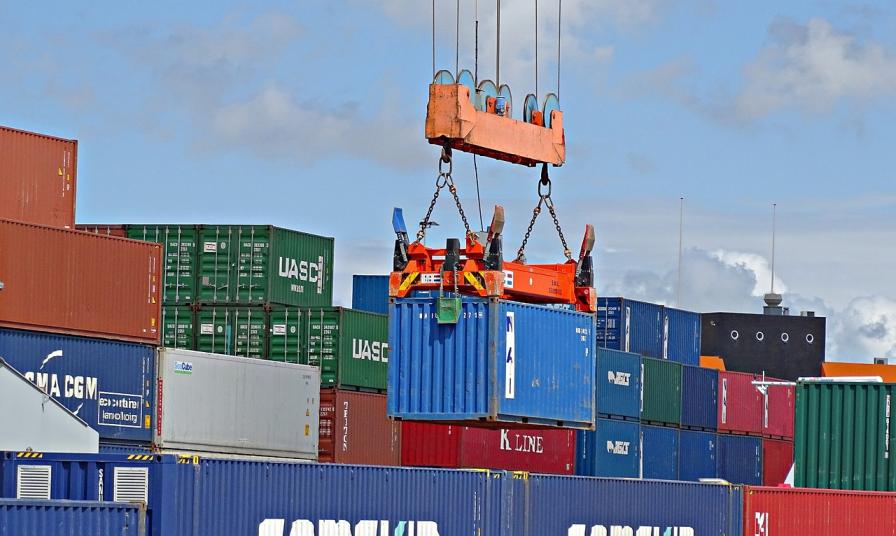
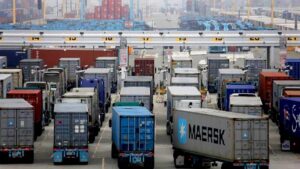
As the wreckage of the bridge prevents movement of ships to and from port terminals, negative economic impacts compound.
Failing to plan ahead and still expecting an order to arrive in two days is not a recommended strategy for any grower.
No sector has successfully evaded disruptions this past year, or for that matter, the previous two-plus years. Are we likely to see improvements in 2023?
At its heart, marketing yourself to your commercial customers isn’t all that different from marketing to consumers.
With input costs still increasing, helping producers has become a top priority.
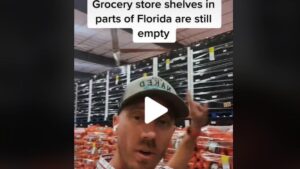
Veggie grower Shay Myers TikToks to explain how even his operation in Idaho was impacted by a big ripple sent through the supply chain.
Rabobank report says the pandemic, Russia-Ukraine war, and drought continue to impact the domestic sector in many ways.
A nimble approach to pivoting food and supply chains will be key for those in U.S. agriculture until the storm ends, says market expert Dr. Jim Budzynski.

Whether it’s fighting for fair trade and disaster relief or transportation and labor, standing together makes for a stronger industry.
Granted new authority, the Federal Maritime Commission can now aim to end supply chain disruptions in U.S. ports.
Suppliers advise ordering as early as you can to get around logistical log jams.
Like growers, nursery operations are wrestling with sourcing disruptions and related issues, such as shipping and freight.
Shortages of key herbicides were already predicted to be a problem for 2022. That situation has gone from bad to worse in a matter of days.
Industry advocates resolve to step up in the new year. Here are some of the biggest issues being targeted.
One glitch in the process that moves goods around the world has ripple effects throughout. Can computer tech aid humans in righting the ship?
Global pandemic-driven supply chain disruptions force some to pivot from chemicals to biological and/or mechanical measures.
Farmers are having difficulty sourcing products they need to grow and delivering what they have grown.