Almanacs extended forecasts predict plenty of ups and downs for the coming season.
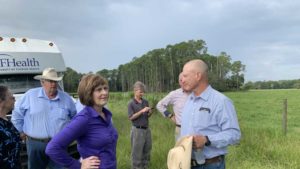
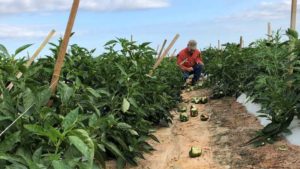
U.S. Representative Kathy Castor sees firsthand ecosystem services being provided on the farm.
Unprecedented warmth across the globe continues trend, contributes to historic polar ice loss.
Nation continues to reach new high-water marks for average yearly precipitation.
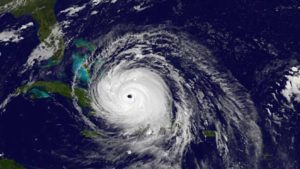
Conflicting climatic conditions force NOAA forecasters to seek middle ground in tropics watch.
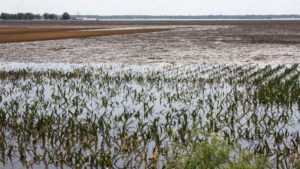
Some growers have reportedly given up on harvest after seeing losses of 50% to 70%.
Region’s recovery efforts from last fall’s devastating storm has been extra slow due in large part to political red tape.
Cooler waters and the potential for strengthening El Niño could help keep lid on what has been a hotbed of tropical activity the last few years.
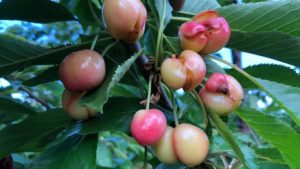
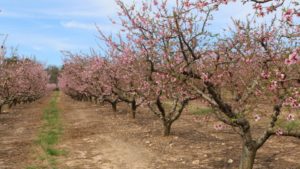
Researchers at Clemson University say state’s peach crop survived the threat of cold temperatures earlier this month.
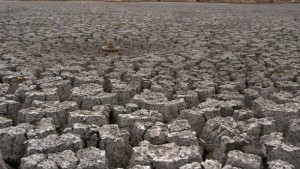
Some areas of the region are running well below average for precipitation — with the height of dry season still on its way.
Despite above-average rainfall for multiple areas in Florida during November, the dry season is starting to dig in.
Scientific advancements can help growers prepare for worst-case scenarios.
Comprehensive government report projects farm productivity will decrease as increases in drought and elevated growing-season temperatures are expected.

Shifting sands aside, there’s opportunity in having to adjust your farm’s game plan.
Early damage calculations continue to add up for the state’s farmers in wake of the super storm.
Producers suffer an estimated $560 million loss close to harvest.
Much of the U.S. could see warmer-than-usual temps while El Niño is likely to make a comeback.
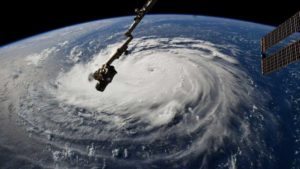
Massive recovery process underway in wake of historic storm’s big blow by air, land, and sea.
Agricultural losses for the Tar Heel State have exceeded $1.1 billion. Vegetables and horticulture losses are at $26.8 million so far.