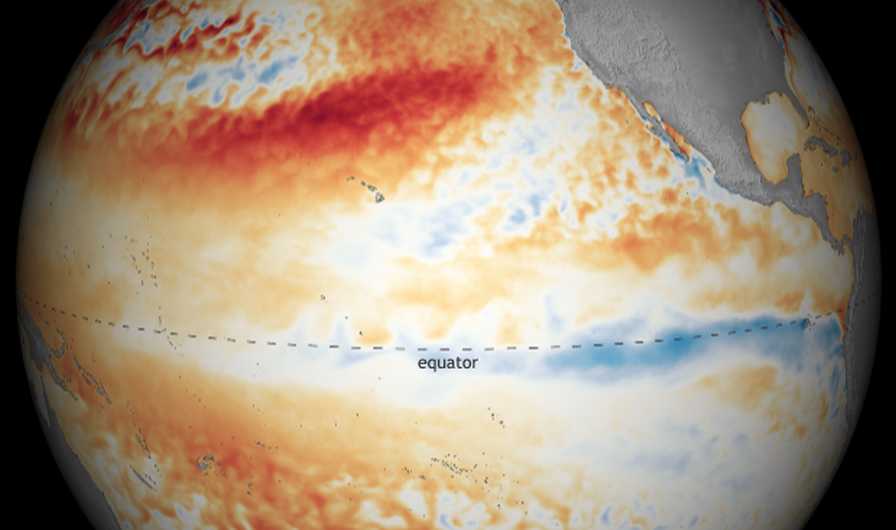
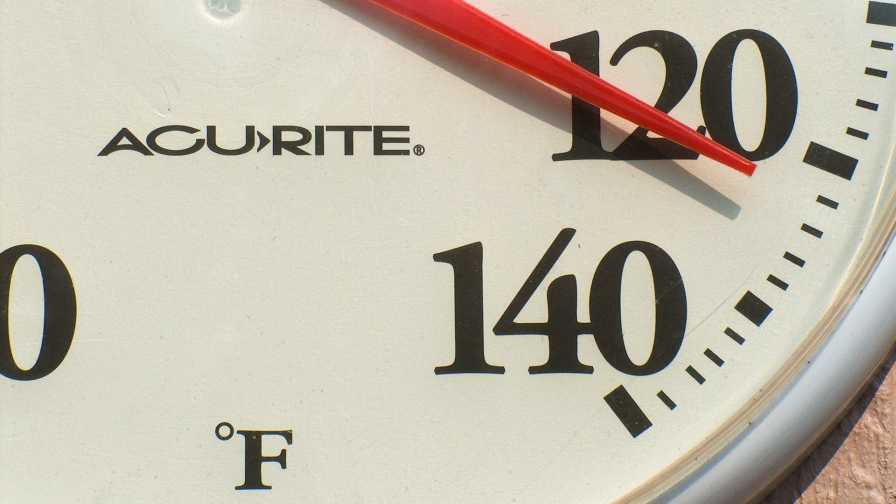
The Northern Hemisphere just had its hottest summer on record. La Niña is officially here, too. Oh, and that’s just the tip of the iceberg.
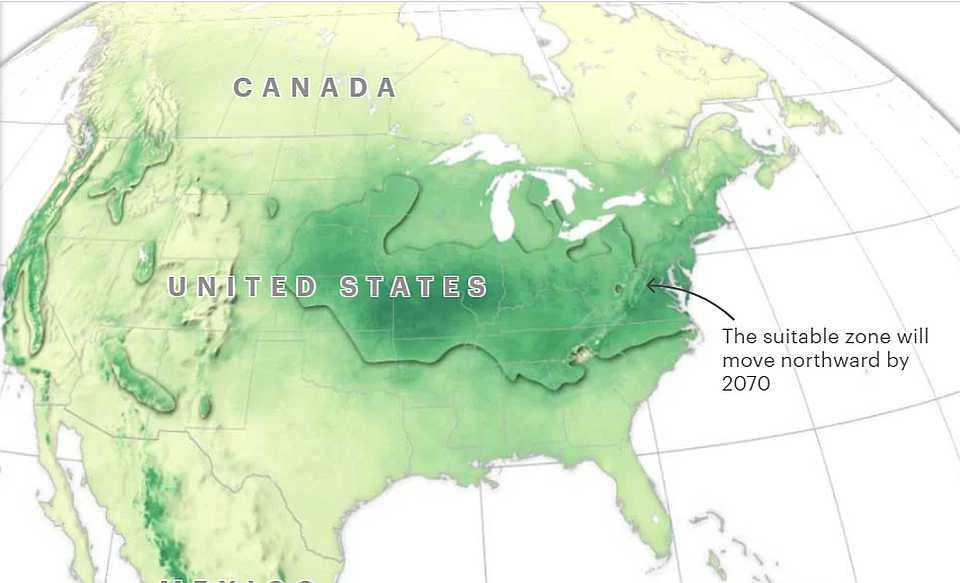
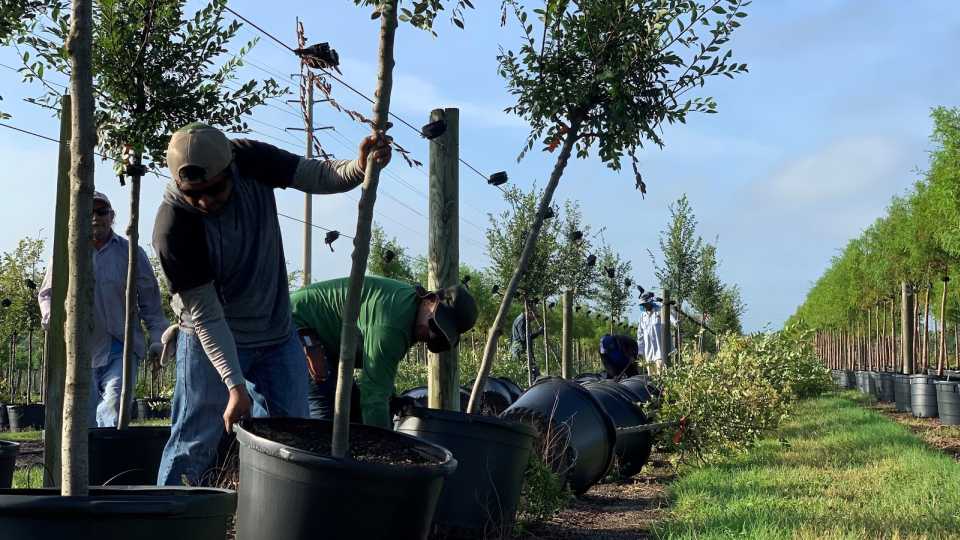
New climate change study suggests the time is now for growers to re-think where, how, and when to cultivate our food crops.
A million followers can’t be wrong, right? Enter the virtual studio to visit with a wildly popular weather pundit who lives and breathes spaghetti models.

It’s 2020. So, it stands to reason the upcoming weather outlook would come with an ominous theme. Check out what the Almanacs have to say about it.
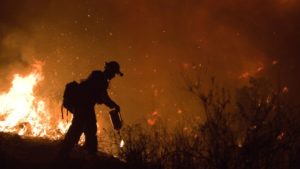
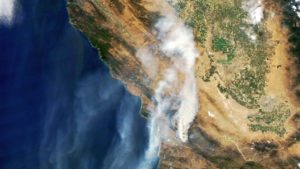
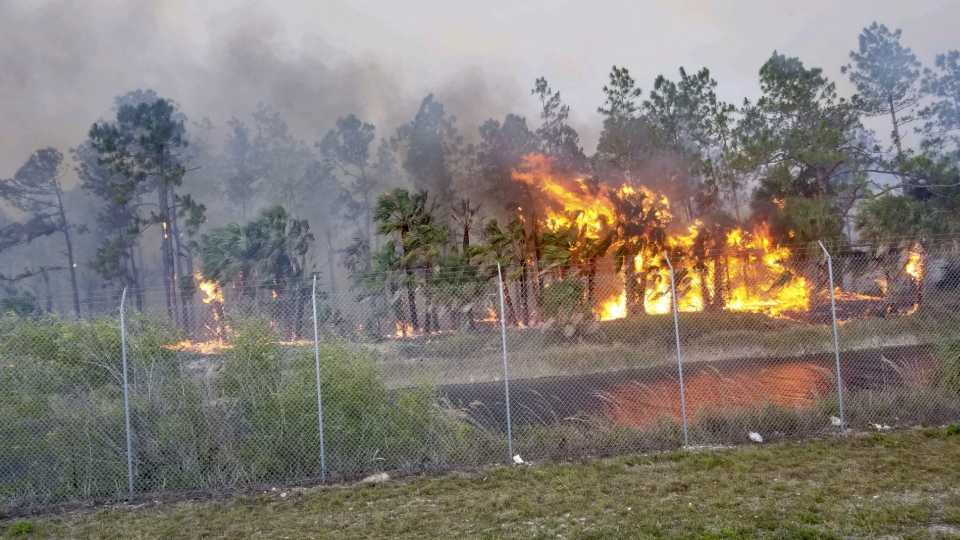
Although few growing fields have been burned, heavy smoke and ash falling makes working fields a serious challenge.
There’s an elevated chance for the climate phase to take over this fall. Learn more about what to expect.
Learn what steps are employed by IMG Enterprises for success during storm season in Florida.
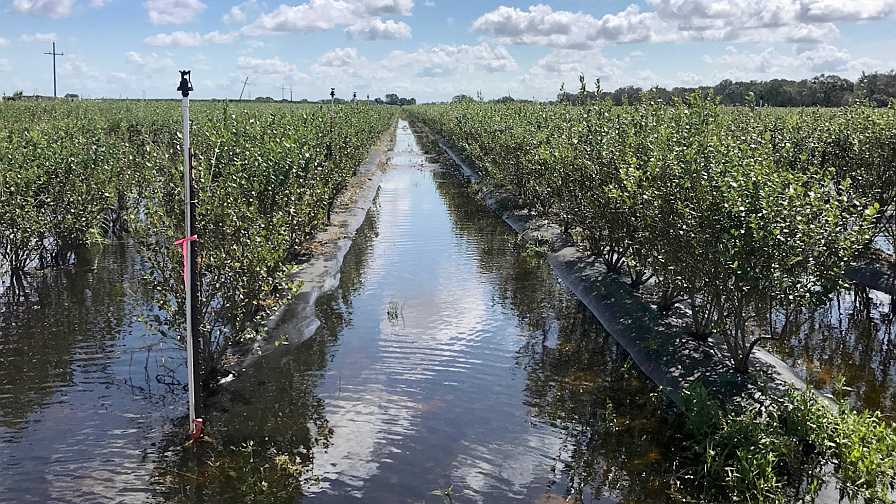
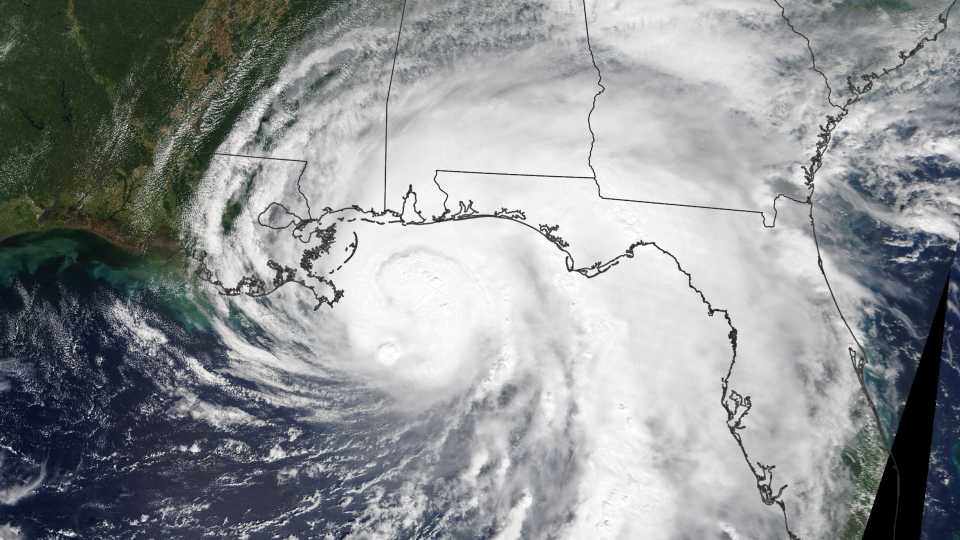
The 2020 hurricane season is lurking as parts of the state continue to be parched.
Water management officials look to ramp up restrictions as the dry season goes out with a bang.
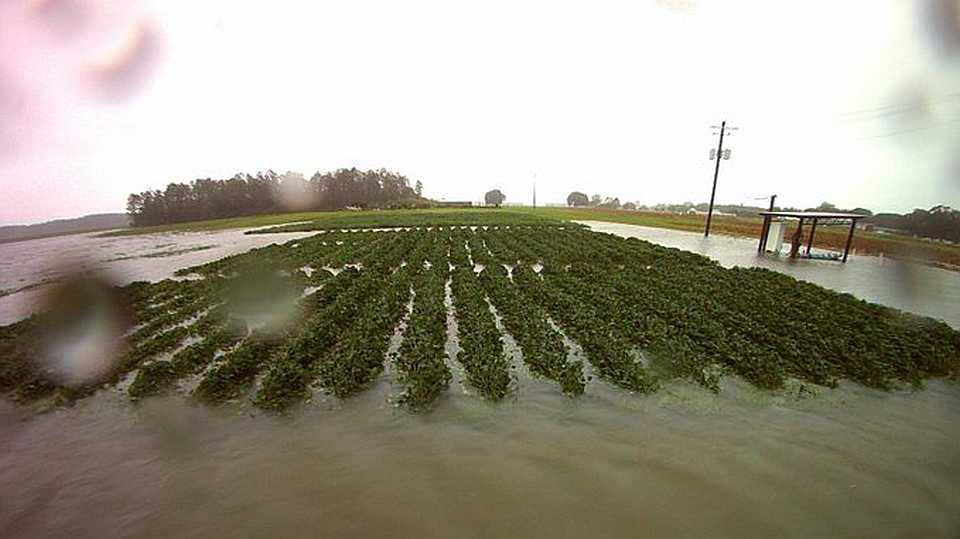
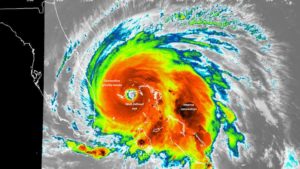
Extended forecasts indicate conditions are lining up to produce an above-average stormy scenario from the tropics.
Last month was the warmest January for the planet in more than 140 years of climate tracking.
New and enhanced forecast tools, crop protection guidance, an updated website, and more in store for local growers to use.
The numbers are in from NOAA, and they show the planet’s warming trend is still very much on the front burner.
Producers sound off on two issues upon which there is little agreement. Here’s your chance to chime in.
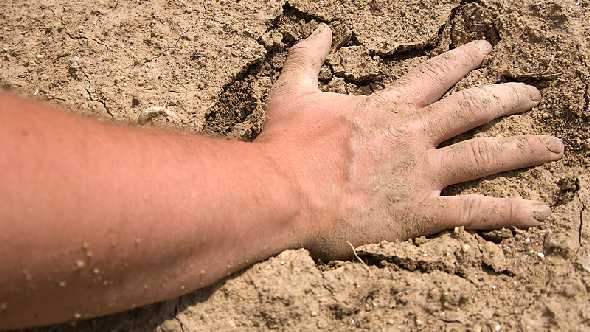
Some parts of the Sunshine State are experiencing severe drought conditions. Find out where.
NOAA forecasters take a stab at what’s in store for the U.S. by way of temperature and precipitation. Find out what they’re thinking.
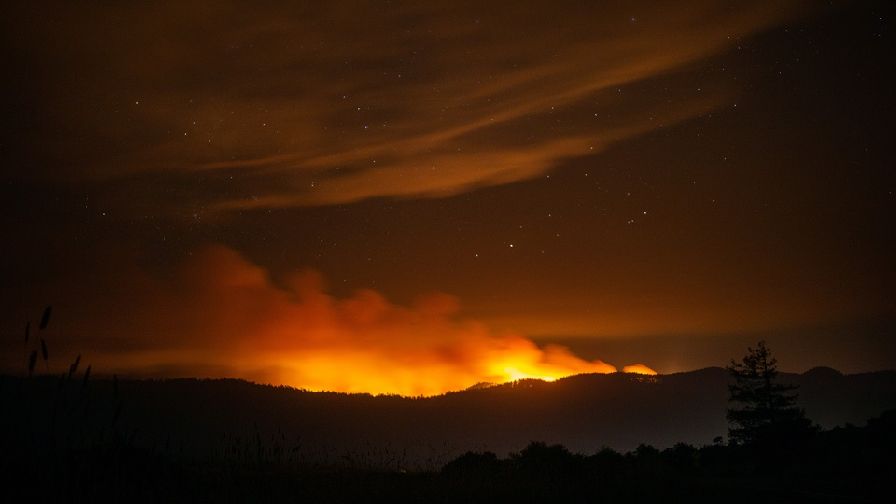
Witness reports vineyards can’t serve as fire breaks, as strong winds push embers miles ahead.
How little can you irrigate without risking a lower yield — even water-hungry crops like celery?
Temperature, moisture, and wind patterns are so integral to a bug’s life that if you can better monitor these elements, you can predict crop protection needs.