


After the Cyclospora Outbreak: When Demand Returns Before the Crop Does
 November 12, 2026
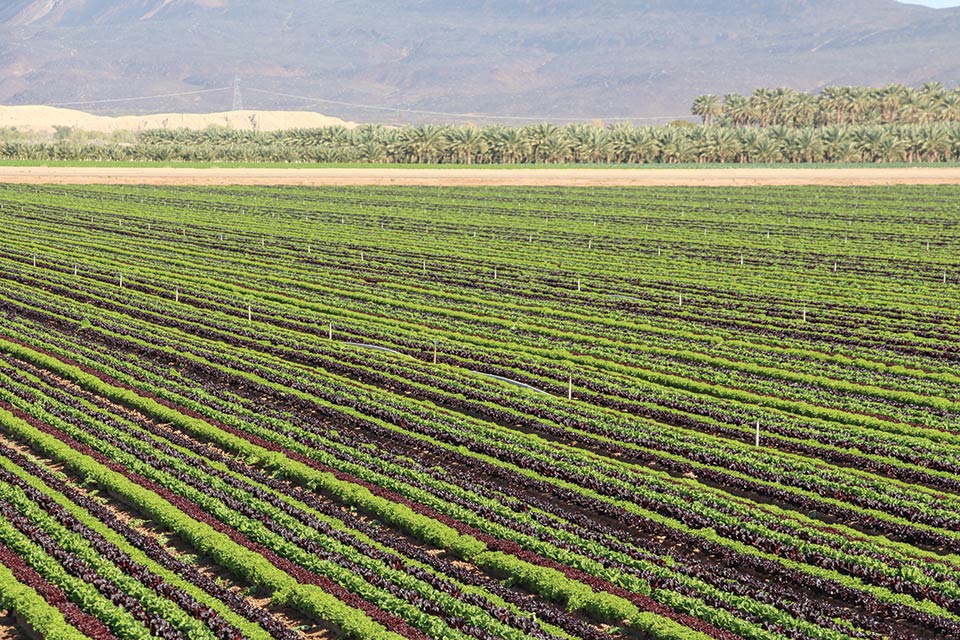
Cyclospora is primarily a warm-weather concern, but the economic fallout from this summer’s outbreak could affect winter lettuce production in the Yuma, AZ, growing region. Photo: Carol Miller
Vegetable growers have spent months dealing with the fallout from the 2026 Cyclospora outbreak. Now they’re facing another problem: Demand is coming back, but the crops needed to meet it may not be.
“Any changes that we make to our planning schedules, and our volumes aren’t going to be seen for three months down the road,” says Mike Clements, Farm Manager at Top Flavor Farms.
That’s a particular concern as leafy vegetable production shifts from California’s Central Coast to the winter-growing region around Yuma, AZ.
A Market That Changed Overnight
The outbreak was linked to iceberg lettuce from Mexico, but the economic damage spread well beyond the implicated crop, particularly among large-scale growers supplying grocery chains and other wholesale markets.
More than 6.5 million households stopped buying salad mixes and kits during the month ending July 26, according to consumer research firm Numerator. The company estimated that roughly $280 million in monthly produce spending was at risk as consumers pulled back.
Growers felt the impact immediately.
Clements says harvest volumes dropped anywhere from 30% to 60%, depending on the shipper and commodity. Crops that had nothing to do with the outbreak were caught in the downturn.
And while consumers could change their buying habits overnight, growers couldn’t respond nearly as quickly.
The impact wasn’t universal. Some smaller farms selling directly to local customers reported increased demand as shoppers looked for alternatives to supermarket produce.
The Winter Production Squeeze
By mid-August, Clements says, demand was beginning to return. But growers had already made decisions about how much to plant for the coming months.
After watching orders disappear, many had cut back their production plans. Those decisions couldn’t simply be reversed when buyers started calling again.
Some crops require 75 to 80 days from planting to harvest. That means decisions made during the summer downturn could affect supplies well into December or January.
Clements expects tighter supplies as the winter season develops, particularly if demand continues recovering.
It’s a difficult position for growers. Plant too much, and they risk another round of unsold crops. Plant too little, and they may miss opportunities as the market rebounds.
And the stakes extend beyond acreage. Labor schedules, harvest crews, packing operations, and customer commitments all depend on production plans made weeks or months in advance.
What Happens to Buyer Confidence?
The market disruption also raises questions about how quickly confidence can return after investigators identify an outbreak’s source.
Federal investigators linked the outbreak to processed iceberg lettuce from Taylor Farms de Mexico. The CDC declared it over Sept. 11, and FDA closed its outbreak investigation Oct. 2. The agencies reported 12,883 illnesses in 21 states.
Yet growers producing unrelated crops continued dealing with the consequences of consumers avoiding fresh produce.
The damage extended to berry growers, some of whom diverted fruit from fresh markets into frozen channels at much lower prices, says John Torres, VP of U.S. Government Relations, International Fresh Produce Association.
That illustrates a problem the industry will need to address before the next outbreak: How can consumers get clear information about which products are affected without losing confidence in entire produce categories?
Better communication is part of the answer, says Torres. So is being clear about what investigators know — and what they don’t.
Planning for an Uncertain Market
For now, growers have to make decisions with the information available.
Clements’ concern isn’t simply whether consumers will return to the produce department. It’s whether farms can adjust production quickly enough to meet demand when they do.
The timing is especially important for the Yuma region, which supplies much of the nation’s winter leafy vegetable crop.
By the time the November issue reaches readers, growers will already be well into the decisions that shape winter production. How closely those plans match recovering demand will help determine whether the industry moves from a summer of unsold crops to a winter of tighter supplies.
For growers, that’s the lingering challenge of the outbreak: The market can change in days. A crop still takes months to grow.
Subscribe Today For
