Leafy Vegetables
Grant from the Foundation for Food & Agriculture Research aimed to increase crop resistance to the deadly pathogen.
Laser weeding is starting to heat up and turn heads among the ag community. Check out a cool clip of a high-tech unit on the night shift.
New cost studies model a management scenario for a 1,500-acre coastal vegetable operation.
Learn which mix of selections perform best for this small farming operation.
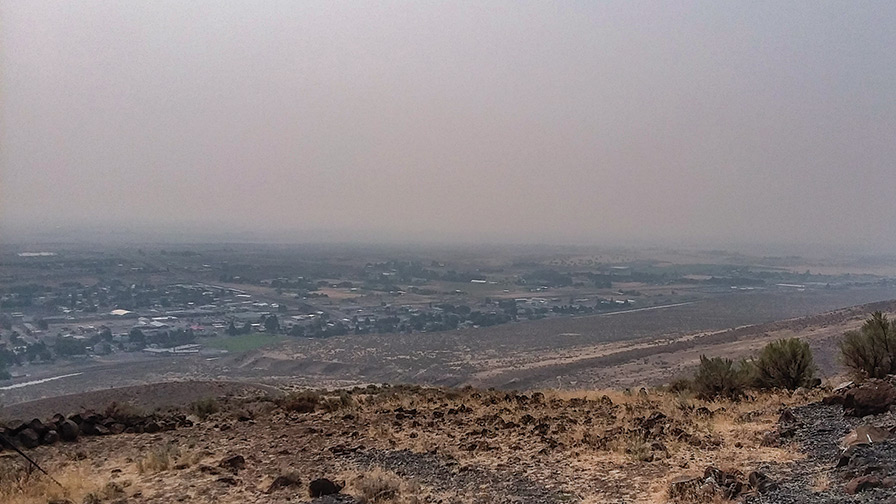
Researchers say concerns that leafy greens and other commodities in the Northeast will pick up a smoky flavor from the massive wildfires are unwarranted.
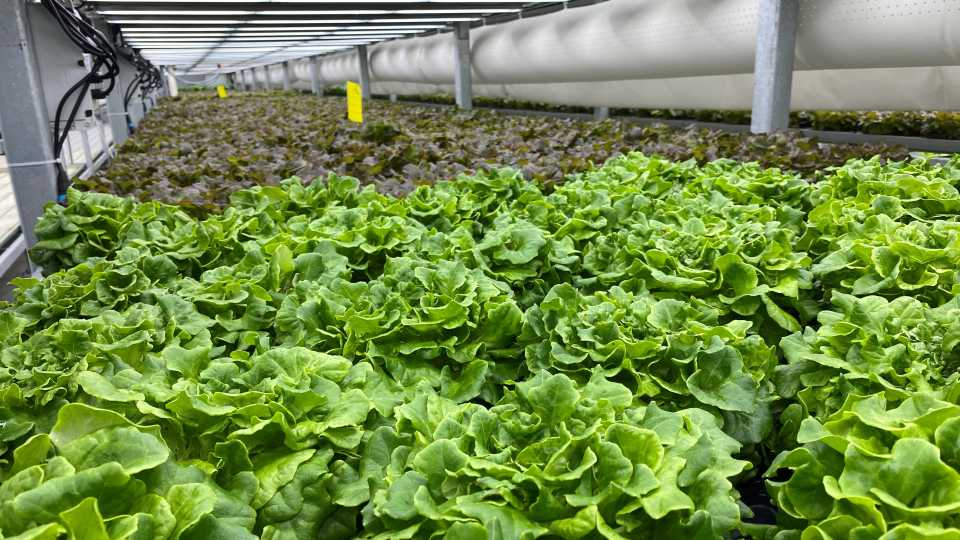
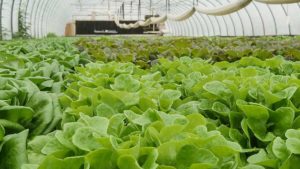
Recent heavy rains in California and high fuel prices accentuate the benefits of growing leafy greens under cover.
Indoor produce grower Tyler Gogolek creates a winning atmosphere — despite the gray winters — at his Ohio hydroponics business.
JV Smith Companies shares how it reached its exemplary cleanliness levels.
Less than two years after investing in climate tech startup company Hippo Harvest, Amazon is now selling the company’s first line of leafy green lettuces.
Dutch vegetable seed company Rijk Zwaan, following years of research, is launching two romaine lettuce varieties for the U.S. market.
Check out these helpful tips for both large- and small-scale farms.
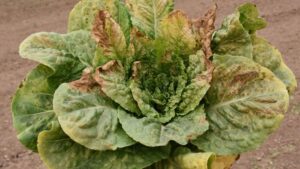
Cercospora and Alternaria can damage crops even in cold storage. Here’s how to reduce losses after harvest.
A sustainability study centered around lettuce offers a road map on how to reduce your fertilizer use and keep crops healthy.
Producing blemish-free leafy greens is not easy. Fruiting vegetables tolerate more disease without losing value.
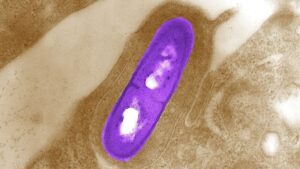
Learn how researchers are preparing to launch a study on E. coli colonization from a new angle.
New research from USDA ARS suggests microbe communities in romaine play a bigger role than expected.
It’s no longer enough to prevent cosmetic damage. Thrips are now a known vector for impatiens necrotic spot virus.
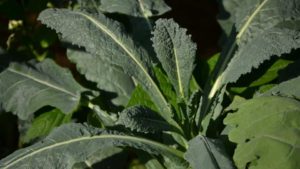
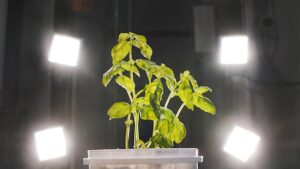
Find out how researchers are using advanced hyperspectral imaging to detect toxic metal stress in basil and kale in an effort to improve food safety.
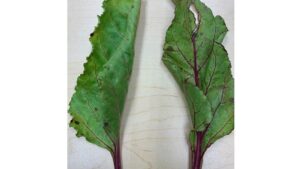
The serious foliar disease was found in the Everglades Agricultural Area for the first time.