Vegetables
The technique also may effectively sanitize watermelons, honeydews, cucumbers, and baby carrots.
The introduced genetic material is from wild potato varieties that are resistant to late blight.
Local, family owned custom blend fertilizer company taking over assets and product distribution responsibilities.
Checkout this slideshow for more information on 9 bean varieties you need to know about from the nation’s leading seed breeders […]
Industry event highlighting alternative pest management methods draws interested crowd to Reno.
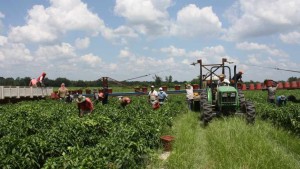
Employing the latest horticultural technology tools could have substantial financial benefits for producers of hand-picked specialty crops, according to a new research paper.
Ideas welcome at event geared for innovators.
Researchers say the more you know the better when it comes to your soil health and boosting your production.
Reports say Iran will be converting all its vegetable farms to greenhouses within 10 years.
As a pesticide applicator, it is your duty to reduce risks for pollinators.
WOTUS could be on the way out after an executive order calls for a top-to-bottom review.
National Potato Council’s John Keeling weighs in on how President Trump’s picks for to head up EPA and Department of Agriculture will impact vegetable growers.
University of California, Davis will be the setting for a ground-breaking conference on emerging technology for food and high-value agriculture.
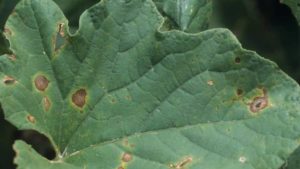
Learn how to identify, the survival and spread, as well as management methods for this malady that goes by many names.
Fourth-annual fundraising event brings in more than $100,000 to benefit children of local farmworkers.
Minecto Pro from Syngenta has received EPA approval for use in specialty and vegetable crops to control lepidopteran and other pests.
A new report from USDA shows long-term trends continuing: fewer farms and fewer acres used in farming even as individual operations get bigger on average.
Some crops most dependent on pollinators, including pumpkins, watermelons, pears, peaches, plums, apples and blueberries, appeared to have the strongest pollination mismatch.
Even with the challenge of feeding a growing global population at hand, has focus been lost on recruiting where jobs on the farm are need most?