Vegetables
Early results from our 2022 State of the Vegetable Industry survey show about half of all vegetable operations offer health insurance and paid time off.
An Extension agent offers advice on how to handle an infestation if your resistant crops breakdown.
A Wisconsin research team combines high-definition images with on-ground analysis to create predicted nitrogen use.
Request by importers of Mexican tomatoes denied to exempt certain greenhouse-grown specialty tomatoes from the U.S.-Mexico Tomato Suspension Agreement.
Learn how this initiative will help give U.S. farmers more choices in the marketplace.
The Biocontrols USA 2022 Conference & Expo kicked off with a tour of local growing operations using biologicals in a variety of ways.
Budget cuts have trimmed an alarming number of ag positions in American universities. We need to do all we can to reverse the trend.
The diamondback moth is a pest of epic proportions to farmers worldwide. Controlling it has become more difficult with increasing incidence of pesticide resistance.
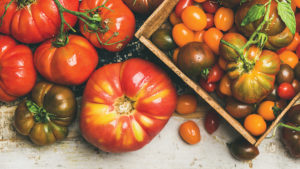
A team of plant breeders have helped discover a way they hope will enhance eating experience of the popular fruiting vegetable.
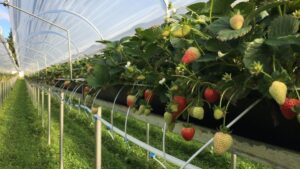
Berry growers in Canada and the Northeast U.S. are increasingly turning to the substrate culture.
The Biocontrols USA 2022 Conference and Expo connected growers with the latest developments in sustainable production, technology, and biosolutions.
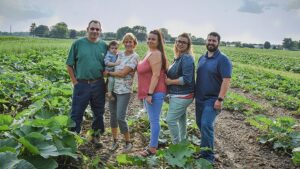
See how Gail and Paul Fenton research ways to lighten labor demands and make their crops competitive.
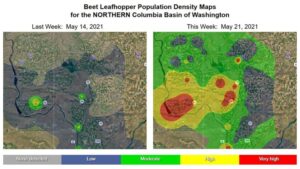
See how the digital application calculates potato pest populations in much the same way weather is forecast.
See why scientists are suggesting that growing with regenerative farming practices impacts the nutritional quality of produce.
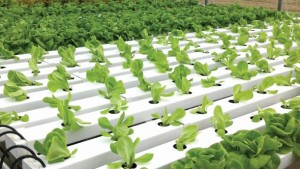
A broad coalition of industry leaders has formally voiced its support for continued certification of greenhouse vegetables grown hydroponically as organic.

Gayle Thorpe says it’s important to conduct trials before applying any new product.
A new, thin-walled drip tape saves on water and labor, and it’s good for the environment.
Shortages of key herbicides were already predicted to be a problem for 2022. That situation has gone from bad to worse in a matter of days.
There’s not much a grower can do to better the taste in strawberries except to hope for warm days and cool nights.