
The Secrets Behind Atlas Farm’s Recipe for Resilience
 September 3, 2025
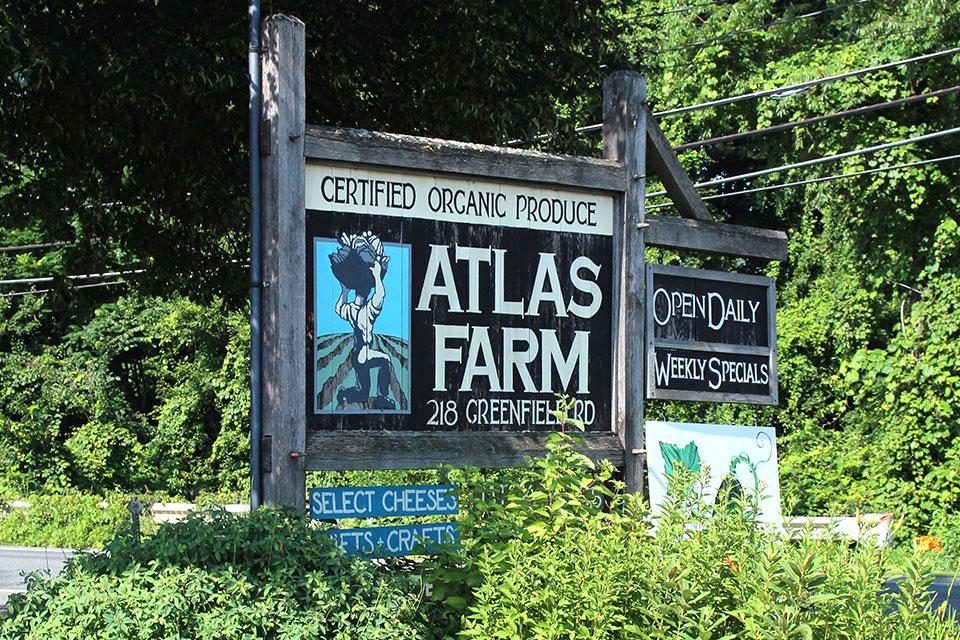
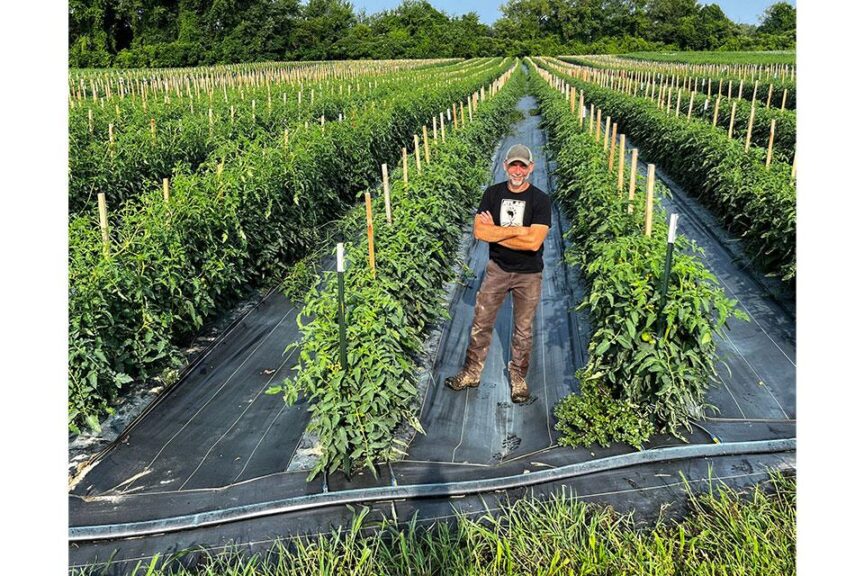
 There’s a reason many New England growers look to Gideon Porth for ideas. At his Atlas Farm in the Connecticut River Valley, he’s built a successful organic operation in a region with short growing seasons, high costs, and stiff competition from California and imports. That’s required constant innovation — and a willingness to share what works.
View all

From high-efficiency heating systems to soil-building cover crops, Porth is making resilience part of the business model. Here’s how he’s powering that progress.
Powering the Farm Without the Propane Price Tag
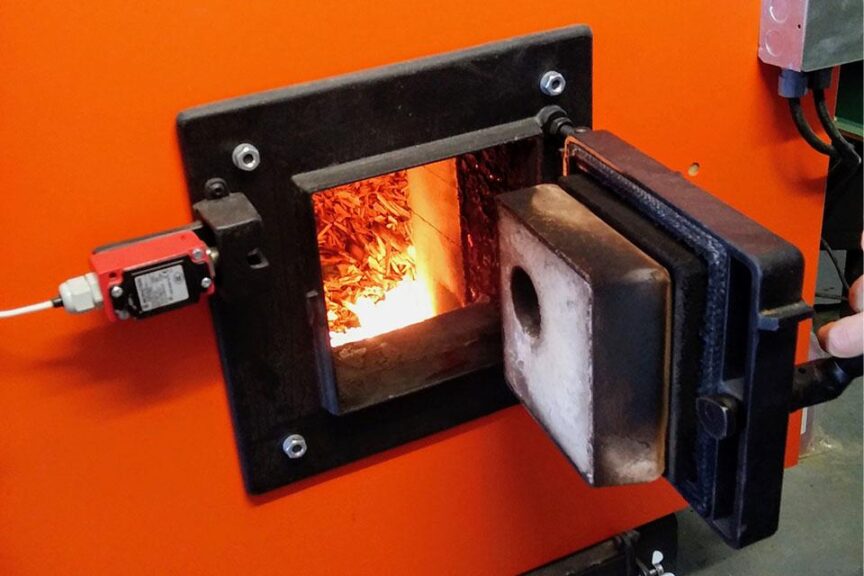
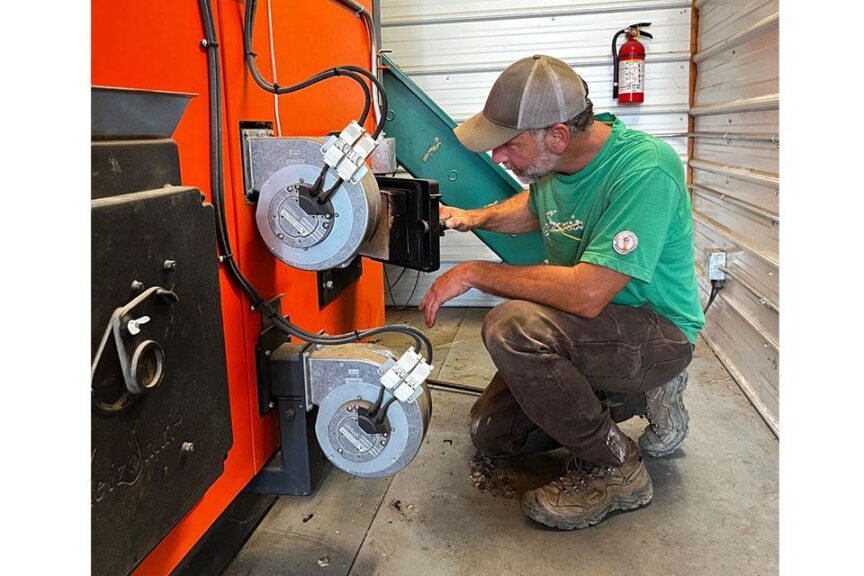
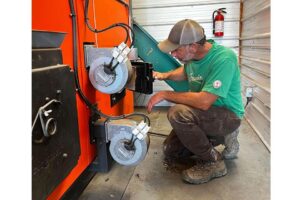
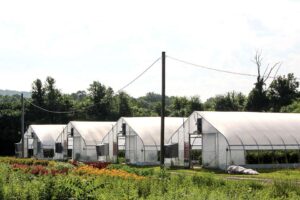
In 2019, Atlas Farm replaced its propane heating system with a high-efficiency biomass plant powered by certified wood chips. Funded in part through a Massachusetts renewable energy grant, the system includes three large boilers that heat all the farm’s greenhouses, packinghouse, labor housing, and offices.
The chips, sourced from a certified vendor in nearby Amherst, must meet state standards, including moisture content below 28% and a minimum percentage of forest-derived material.
“We were using around 30,000 gallons of propane a year,” Porth says. “Now we’re saving about $15,000 annually in fuel costs.”
The system also qualifies for renewable energy credits, much like solar. Every BTU generated is metered and earns a small state rebate, creating another revenue stream. While it took time to fine-tune the system, Porth says it’s now running smoothly.
“Sometimes people think wood is a dirty fuel, but these are very clean-burning, high-efficiency boilers,” he says. “And we’re still pulling more carbon out of the atmosphere growing the trees than we’re putting in.”
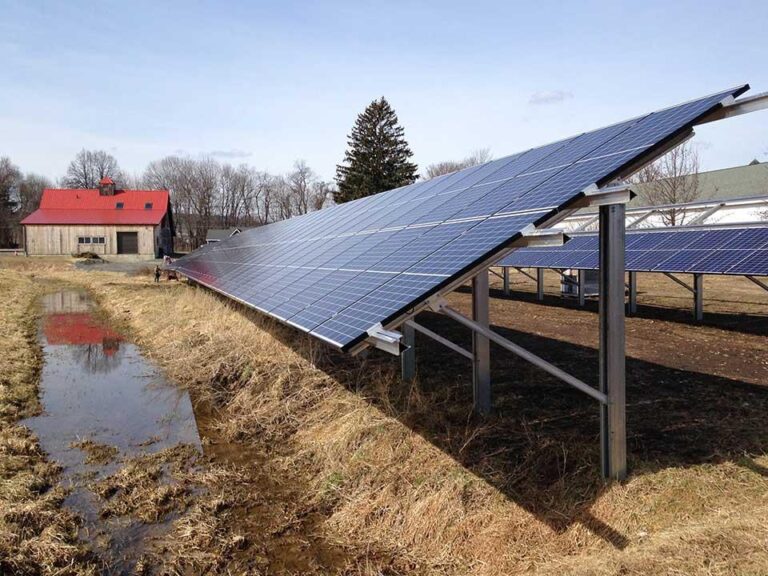
Atlas Farm also relies on solar power. Three rooftop systems (on the packing house, cold storage, and a storage barn and a ground-mounted array behind the retail store) now generate about 70% of the farm’s electricity.
Automating for Labor Savings
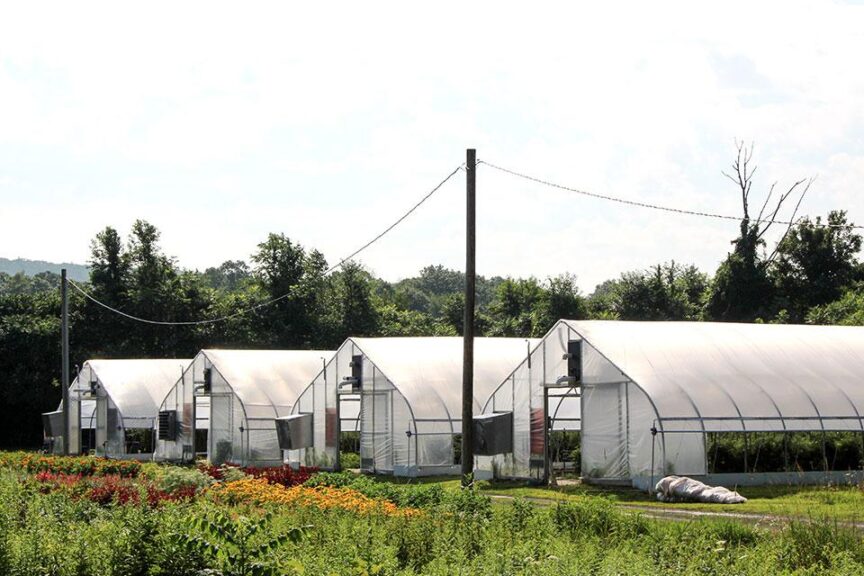
Before 2015, Atlas Farm’s greenhouse systems were bare bones: manual watering, no heat retention, and little automation. A major investment that year changed everything.
“We built a higher-tech greenhouse with a lot of new features,” Porth says. “It was a big leap at the time, but I don’t regret a bit of it.”
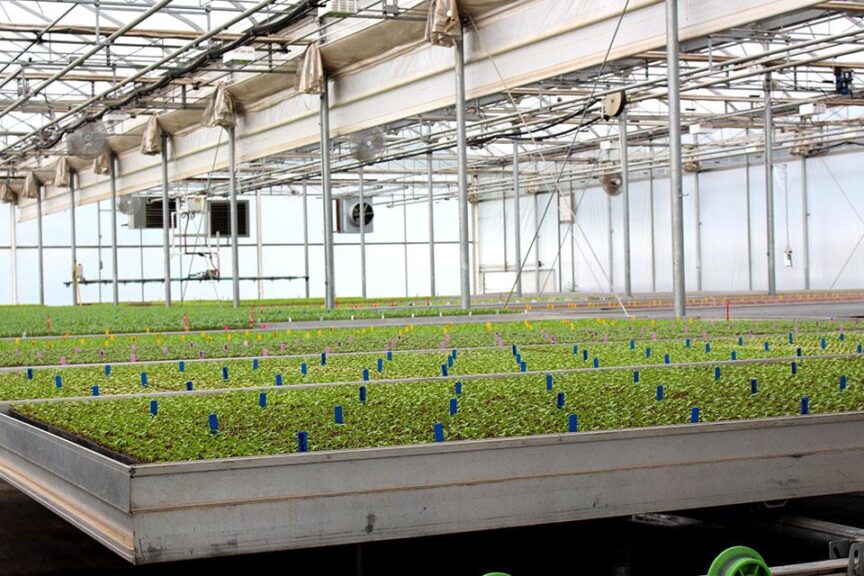
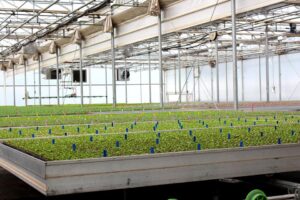
The greenhouse includes dual-purpose shade and heat-retention curtains, LED lighting supported by a utility grant, and automatic irrigation booms.
“We used to have two people full time just watering,” he says. “Now one person can turn it on and walk away in 10 minutes.”
Other tools include rolling benches to streamline plant movement and reduce lifting, a flat filler to speed up transplant tray prep, and a precision vacuum seeder for fast and accurate sowing.
“We’re a diversified farm, so we grow small blocks of many crops,” Porth says. “Being able to shift trays easily and get the timing right has made a big difference.”
Building Healthier Soils
In recent years, Atlas Farm has focused on reducing tillage while maintaining crop health and yields. Porth partnered with the American Farmland Trust and local nonprofit Momentum Ag to trial a range of strategies.
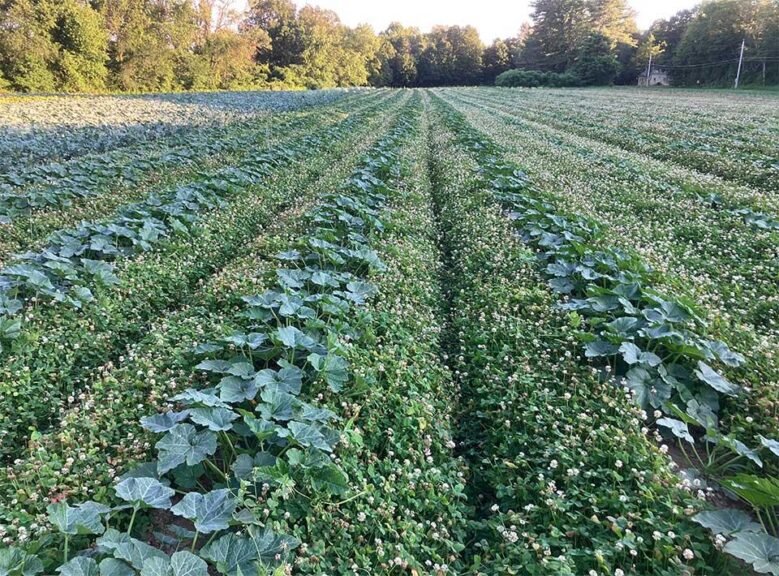
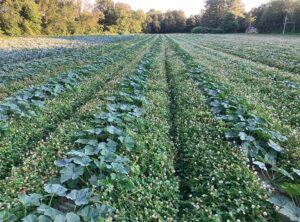
The most promising to date: establishing Dutch white clover as a living mulch one year, then strip-tilling narrow rows every six feet the following year to plant winter squash.
“Dutch white clover only gets about 12-inches tall,” Porth says. “It suppresses weeds early, then the squash vines out and takes over. It’s been a great system.”
The clover stays in place between rows, protecting the soil while allowing room for cultivation, fertility management, and transplanting.
“We’re seeing real improvements in soil structure and carbon sequestration,” he says. “And we can still use our tools in that strip.”
Not all trials have gone smoothly.
Atlas tested no-till systems with rye and hairy vetch terminated by mowing, and a multi-stage quick cover approach using oats, peas, and buckwheat. Wet years and low biomass limited success.
“Weeds were a big issue in those systems,” he says. “But that’s part of the process — trying things, seeing what holds up under pressure.”
Cutting Costs and Navigating Pressures
American Vegetable Grower’s GROW STRONGER initiative brings you positive stories from progressive growers filled with innovative solutions to help you grow a stronger future.
Packaging is one of Atlas Farm’s fastest-rising costs, second only to labor. To reduce expenses and waste, the team developed a closed-loop system for certain direct-store delivery customers. Produce is packed in reusable plastic totes, collected after each delivery, washed on-site, and cycled back into use.
“It saves us between 6,000 and 8,000 wax boxes a year,” Porth says. “At up to $4 a box, that’s a huge cost savings and a win for the environment.”
Still, market competition is intense. Porth says that to many buyers, a box of lettuce is just a box of lettuce, regardless of whether it’s grown in Deerfield, MA, California, or a Canadian greenhouse.
“We’re going up against farms with thousands of acres and huge efficiencies,” he says. “It’s hard to compete on price alone.”
Labor is another persistent challenge.
Two-thirds of Atlas’s seasonal crew arrives on H-2A visas, and skilled staff — in greenhouse work, equipment operation, or sales — are increasingly difficult to find.
“We’ve been trying to hire a full-time sales manager for years,” Porth says. “It’s tough to find someone with produce experience.”
For Porth, staying competitive means staying adaptable. Whether it’s renewable energy, automation, soil health, or supply chain efficiencies, Atlas Farm is proof that sustainability and profitability don’t have to be at odds.
“We’re always experimenting and sharing what works,” Porth says. “If we can make it work here, maybe others can, too.”
Atlas Farm at a Glance
• Founded: 2004
• Owner: Gideon Porth
• Location: Deerfield, MA (Connecticut River Valley)
• Crops: Organic leafy greens, winter squash, kale, bok choy, herbs, root crops, and other vegetables
• Customers: Grocery chains, co-ops, institutions, distributors, regional wholesale
• Organic Certification: USDA Certified Organic since 2004
Subscribe Today For