


Ways Vegetable Growers Are Building Resilience To Extreme Weather Risks
 July 8, 2026
 Weather has always been part of farming. But the 2026 State of the Vegetable Industry survey suggests many growers now view weather less as an isolated event and more as a recurring business risk.
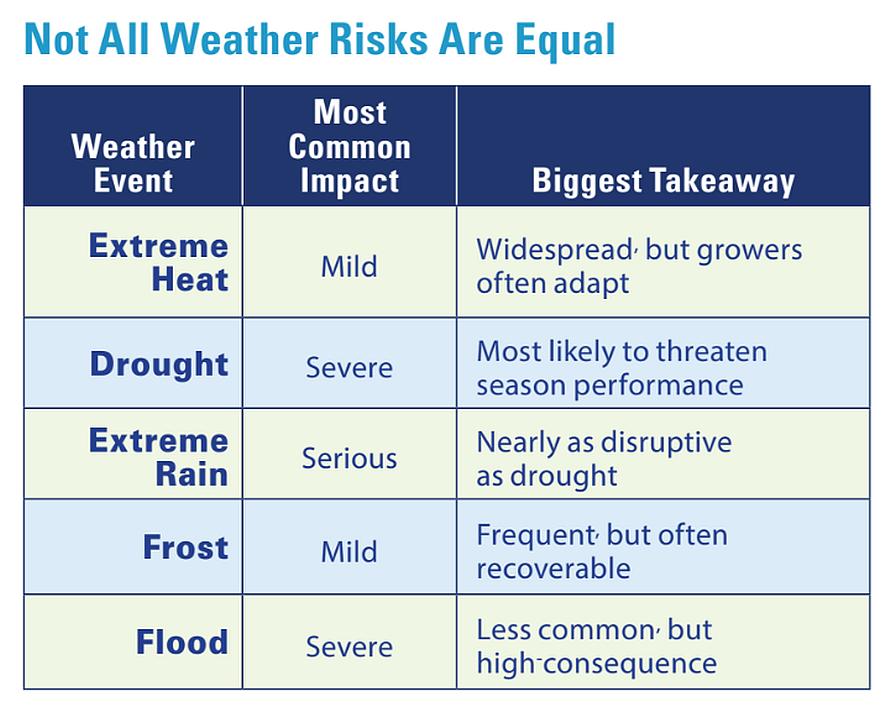
Nearly nine in 10 growers reported some level of weather-related impact during the past season, with 17% reporting severe losses. Extreme heat, drought, and excessive rainfall ranked among the most common challenges.
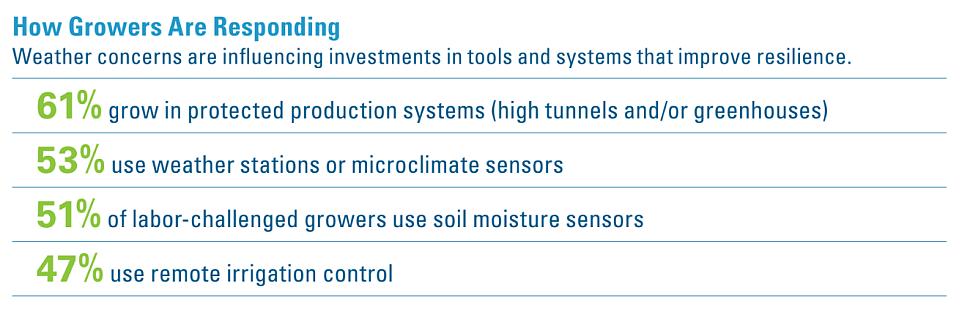
The results help explain several broader trends emerging throughout this year’s survey. Growers continue to invest in irrigation, protected production, monitoring tools, and other strategies designed to reduce risk and improve resilience.
Rather than waiting for the next weather event, many appear to be planning around the expectation that disruption will occur.
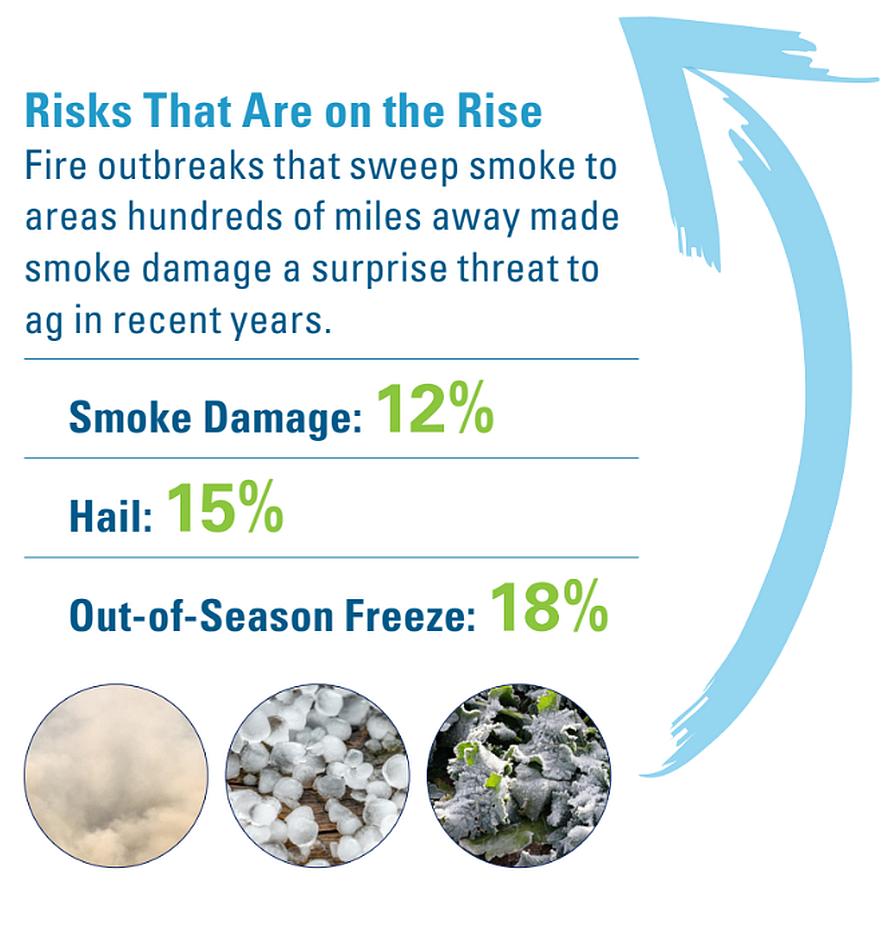
Here are some interesting findings from the 2026 State of the Vegetable Industry survey.
Click here for more findings from the 2026 State of the Vegetable Industry survey.
Subscribe Today For
