


Under Pressure: Ways Vegetable Growers Are Dealing With Mounting Challenges
 July 15, 2026
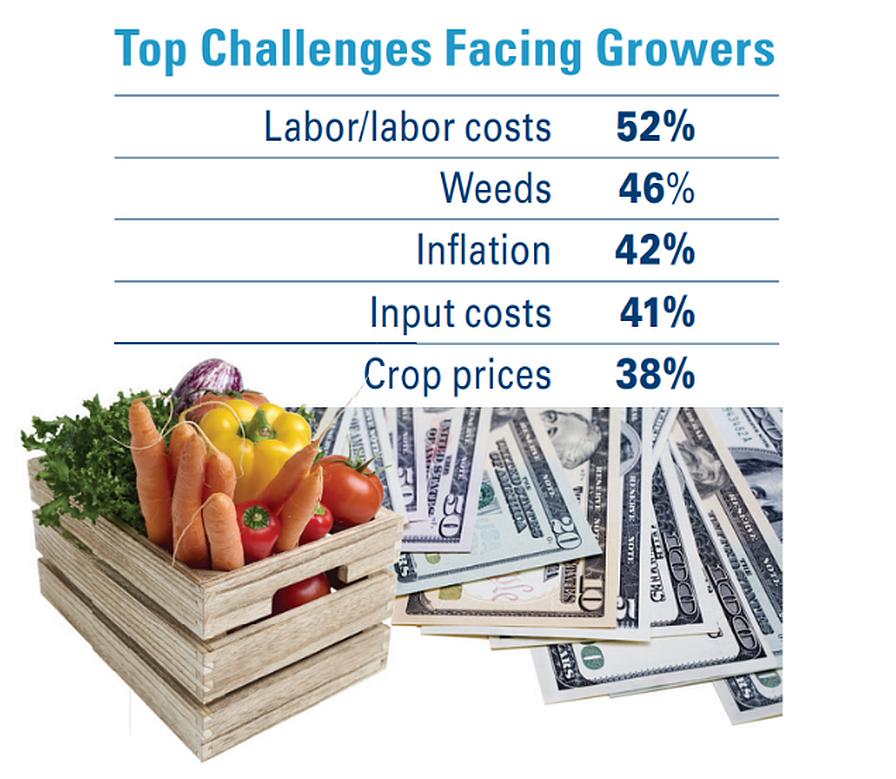
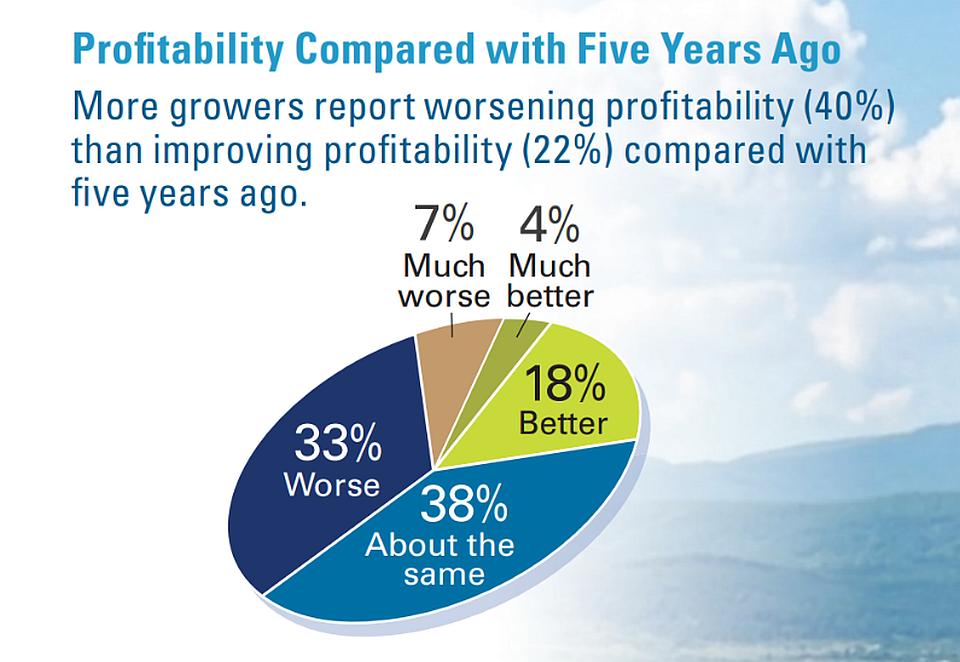
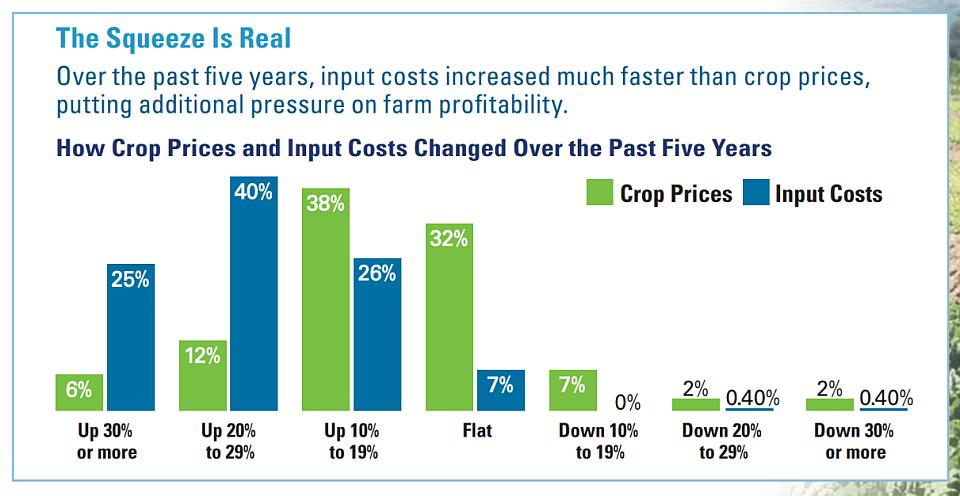
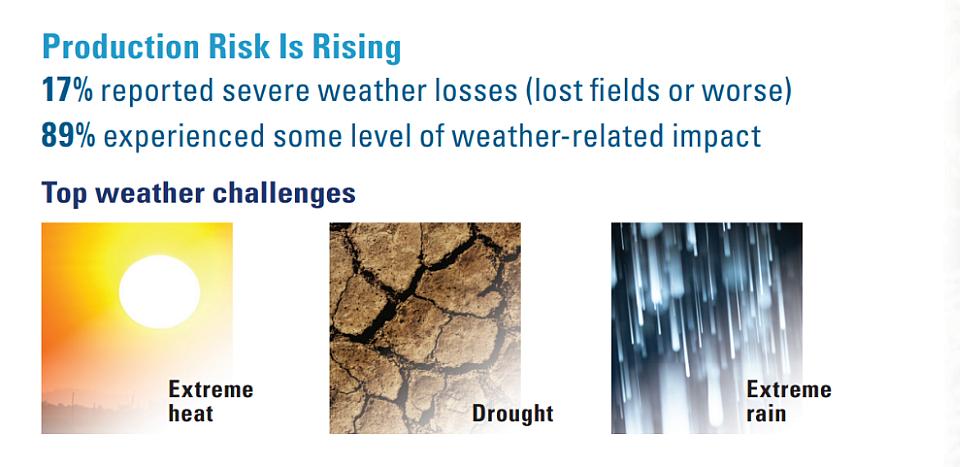
 The 2026 State of the Vegetable Industry survey arrives at a time when growers are balancing rising labor costs, weather uncertainty, shifting markets, technology investments, and questions about profitability. The result is not a single defining trend, but a series of choices: where to invest, where to adapt, and where to hold steady.
This report draws on responses from growers, suppliers, researchers, Extension specialists, and other industry stakeholders to explore the forces shaping those decisions. We received more than 500 responses to this year’s survey. Together, the findings offer a snapshot of where the vegetable industry stands today — and where it may be headed next.
Across the survey, one theme emerged repeatedly: Growers are weighing where to invest, where to adapt, and where to hold steady.
Graphic: American Vegetable Grower
Graphic: American Vegetable Grower
Graphic: American Vegetable Grower
Graphic: American Vegetable Grower
Click here for more findings from the 2026 State of the Vegetable Industry survey.
Subscribe Today For
