Crop Protection
Better understanding, more proof of efficacy, and cost-effectiveness needed prior to implementation.
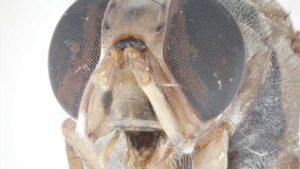
Oriental fruit flies discovered in traps around St. Petersburg area. Learn more about this pest that attacks more than 400 fruits, vegetables, and nuts.
Best practices include safer insecticides and someday soon maybe trap trees.
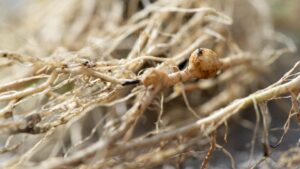
Growers frequently overlook the plant-parasitic organism, leading to root damage.
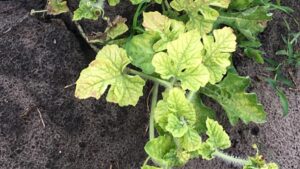
Cucurbit chlorotic yellows virus has now been found in Florida, just a few years after first appearing in the Imperial Valley.
Basic product knowledge can advance a successful production plan for your crops.
Learn more about the construction project starting this summer at the company’s biorational manufacturing facility in Osage, IA.
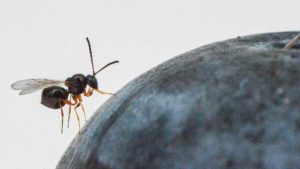
More than a decade in the making, scientists are set to release a tiny wasp that controls a highly destructive fruit fly.
Here are a few tips to control notorious pest and avoid insecticide resistance.
Learn more about a new collaboration in which electric Ford trucks will be integrated into the ag company’s southern California fleet.
Napa County officials report finding the Western grapeleaf skeletonizer, a voracious feeder not native to the area.
Take a look at these tips for identifying and treating this pervasive weed.
No production problem is isolated from the overall environment of your farm. So, the best solutions work in concert with the soil, crop, and surroundings.

Learn how strawberry growers look to benefit from new research that digs deep inside plant trait data.
What you need to identify and manage this weed.
Large fruit and tight spacing make modern tomatoes less resistant than their ancestors.
The Clemson professor and Extension agent specializes in foliar diseases in vegetable crops.
Scientists have a shot at eradicating a deadly threat to vineyards, just as the pest’s resistance to insecticide has been growing.
Learn more about which ag operations were selected to share nearly $552,000 to reduce water use and nutrient loading.