Crop Protection
Dave Dyrek of Leaning Shed Farm offers pointers on pest control, irrigation technique.
Researchers from across the country discuss the most critical issues facing growers today — and how they plan to help.
Cultivar selection should include choosing ones that have the most complete disease resistance package.
Applied technology is making the difference in connecting producers with a proficiency to profit.
The companies establish the BioAg Alliance to discover, develop, and sell microbial solutions to help growers increase crop yields with less inputs.
The University of California-Davis and Oregon State University are collaborating on a project to sequence the SWD genome and open their findings to everyone via a Web portal.
New chair Rick Melnick has been an active member of the board since 2008, and will begin his term on Jan. 1.
Researchers from North Carolina are proposing a set of guidelines for assessing the performance of pollinator species.
Majority of growers surveyed face glyphosate-resistant weeds.
Too much rain in the summer increased the incidence of this disease.
State ag agencies assessing the extent of the disease’s spread in the area.
Awareness of possible legal ramifications regarding crop protection is key to compliance.
New facility in Clayton, NC, is designed to advance honey bee health and research and development initiatives.
Learn how to ID, the survival and spread, as well as control measures for this pest.
Helene Dillard, a native Californian and UC-Davis alumna, will on Jan. 27 assume leadership of the college, which is ranked among the very top agricultural and environmental research institutions in the world.

Naturally occurring fungus may help fight Palmer amaranth.
Voles do not hibernate, but Penn State University researchers urge growers to reduce population before winter.
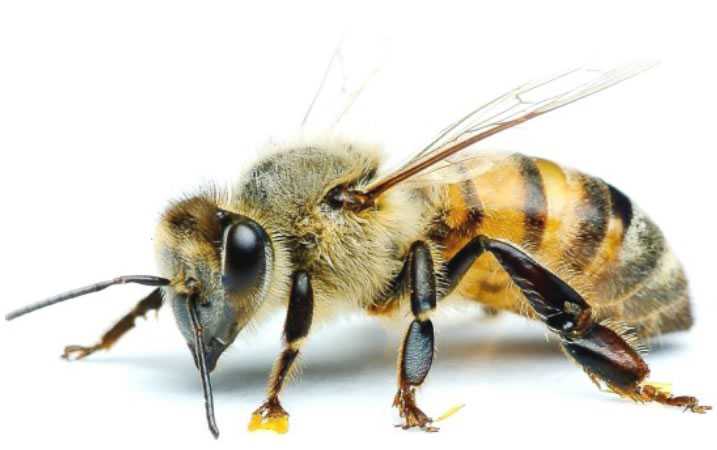
Beekeeper offers best pracitces to save pollinators on your orchard.
A beekeeper says growers aren’t solely to blame for bees’ declining mortality — and they can take action.