Berries
Latest domestic raspberry production statistics indicate a 27% increase from previous season. In addition, economic factors push total crop value up 26%.

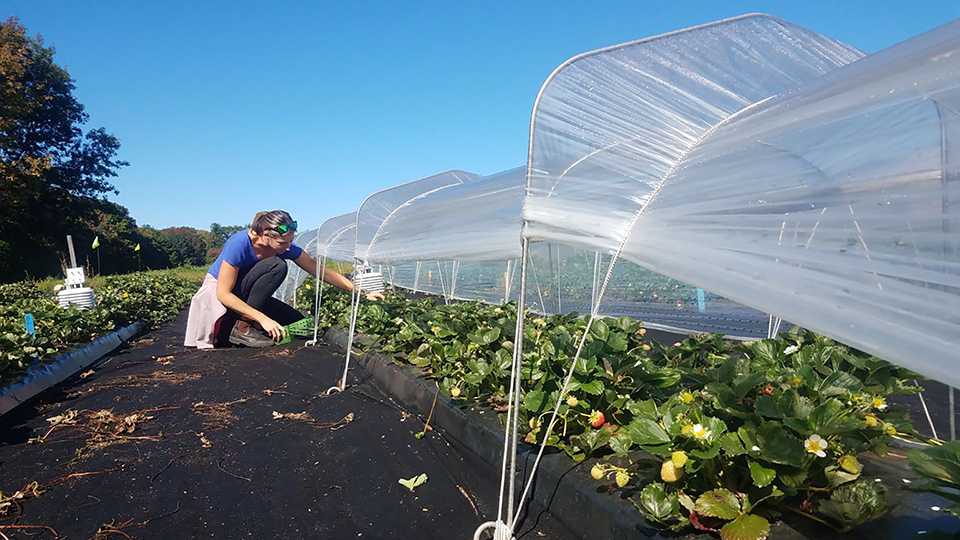
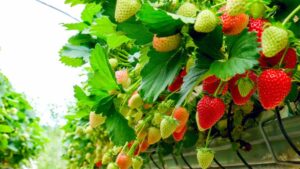
Cornell research presentations provide valuable insights on sustainable, integrated pest management solutions for CEA strawberry production.
Alternative crops help berry farmers boost farm profitability and sustainability.
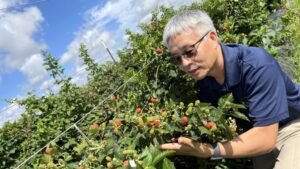
Learn how scientists are digging deep into the genetic makeup of blackberries to help growers produce superior fruit.
This special downloadable digital report covers some of the latest developments in the field of berry crop production.
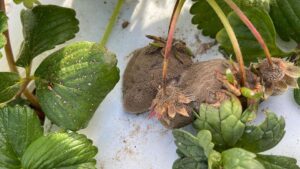
A small degree of Botrytis infection all but guaranteed in New York strawberry fields despite even the best fungicide spray programs.
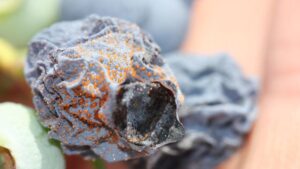
A new anthracnose risk prediction model could be a big help for Michigan blueberry growers. See how it works.
Learn about what three industry players have planned to improve indoor strawberry production for controlled environment agriculture growers.
Researcher Penny Perkins-Veazie lauded three decades after verifying the storage potential of ‘Navaho’ blackberries.
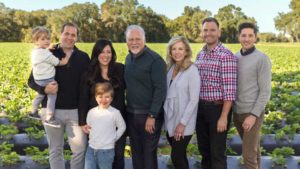
A deep commitment to sustainability in its farming practices earns Wish Farms this year’s prestigious Agricultural-Environmental Leadership Award.
As the group of controlled environment agriculture crops expands, so do business opportunities for growers. Here are tips for diversifying your crops.
See who was newly elected as well as those returning to serve on the North American Blueberry Council board of directors.
Study shows two standout strawberry varieties that better resist chilli thrips than others. Find out which ones.
Electric weed control innovation looks promising to help reduce unwanted plant pressure in organic fruit orchards.
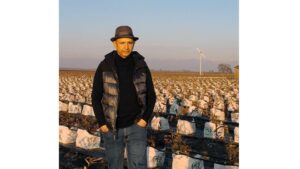
Veteran blueberry grower Paul Gill has some tips for farmers seeking a new way to grow.
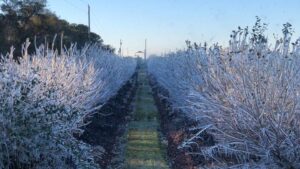
Snow in the Sunshine State? Local produce growers carry on through winter storm like business as usual.
Longtime leader in blueberry production announces top-level transitions while company looks to expand globally.
Currently, there are no commercially available public strawberry varieties resistant to neopestalotiopsis. A new partnership aims to change that.
U.S. Highbush Blueberry Council awarded $1.5 million of USDA RAPP funding to further develop opportunities in emerging global markets.