Berries
Two fruit-growing operations (one blueberry and one citrus) among those honored for setting the standard on superior stewardship.
Previous studies showed the non-hallucinogenic compound from cannabis limited growth of some bacteria and pathogenic fungi that cause rot.
Why might fumigated strawberry fields still be susceptible to the disease? The answer could be blowing in the wind.
USDA scientists from Salinas, CA, lab report there has been no further disease spread as of early spring.
Improving soil health can help growers produce nutritious fruits in a more sustainable manner.
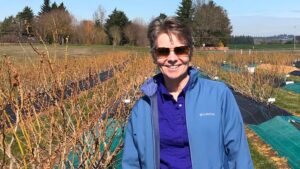
Dr. Bernadine Strik, Researcher, Extension Educator, and Teacher extraordinaire at Oregon State University, remembered by her friends and colleagues.
UC Davis is releasing a handful of varieties that not only resist deadly pathogen, but also offer high yields and better fruit quality.
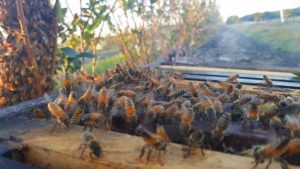
Growers face the question of how many honey bee hives to stock their fields with to maximize pollination. The answer seems to lie beyond their field edges.
Starting anew with a blueberry renovation revolves around choosing the ideal replacement selections.
Growers in Michigan are wondering whether it’s Trichogramma minutum or T. platneri. Hint: It’s kind of a trick question.
Despite epic flooding from relentless atmospheric river events, the outlook remains positive for the industry.
University of Arkansas’ John R. Clark takes a look back at some of the changes in berry crops over the past 40 years.
Vaccinium pangenome project helps unearth genetic gems in blueberry and cranberry.
With a focus on flavor, CEO Andy Higgins is excited about constructing a campus for breeders in the San Joaquin Valley.
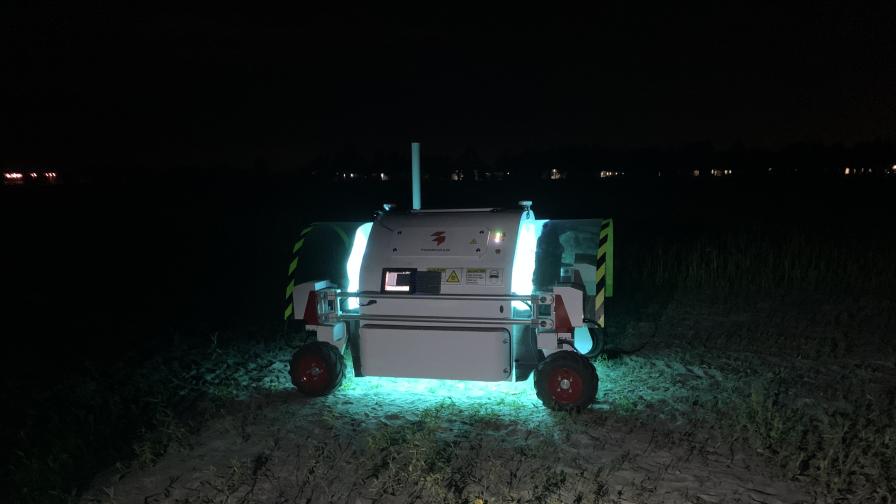
Learn how University of Florida scientists are attempting to shine a new light on insect pest control for growers.
Learn more about a new $1 million grant that will fund research inside the California Strawberry Center at Cal Poly San Luis Obispo.
USDA says new low-pressure vacuum technology called RipeLocker is breakthrough in fruit storage.
Greenhouse-grown berries can be a highly profitable crop for growers of all sizes, and several operations have already added them to their production line.

Dr. Bernadine Strik retires after 34 years of ground-breaking industry innovation.