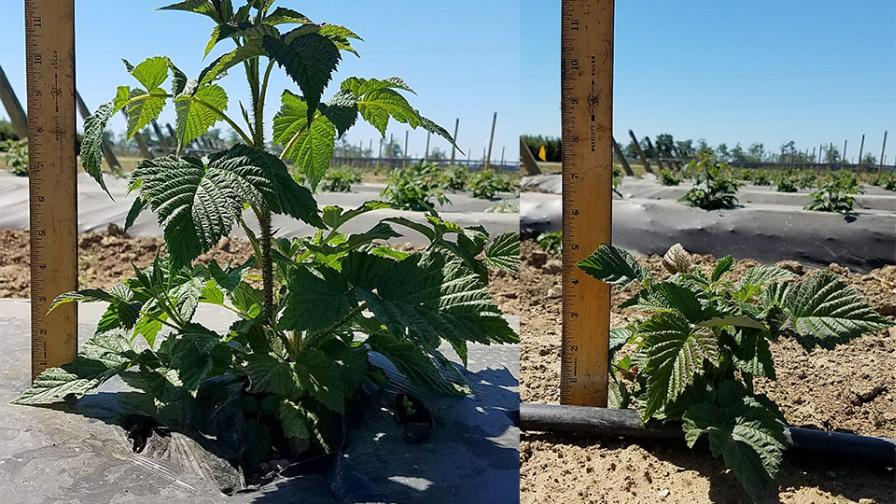
Plastic Mulches — A Remarkable Thing When It Comes to Growing Raspberries By Lisa DeVetter|October 11, 2022 Washington State University aims to determine which of the new mulch technologies provides the most value. Read More
When Weather Wild Cards Deal Hard Lessons Learned in the Vineyard By Tremain Hatch, Virginia Tech|September 22, 2026
Growers Building Financial Resilience in the Era of Citrus Greening By Justin Little, Nutrien Financial|September 22, 2026
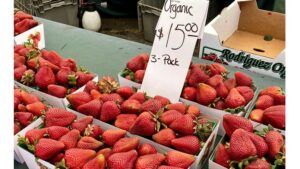
Adding up the Cost of Growing Organic Strawberries By David Eddy|October 6, 2022 University of California study breaks down expenses, including latest information on state’s changing labor costs.
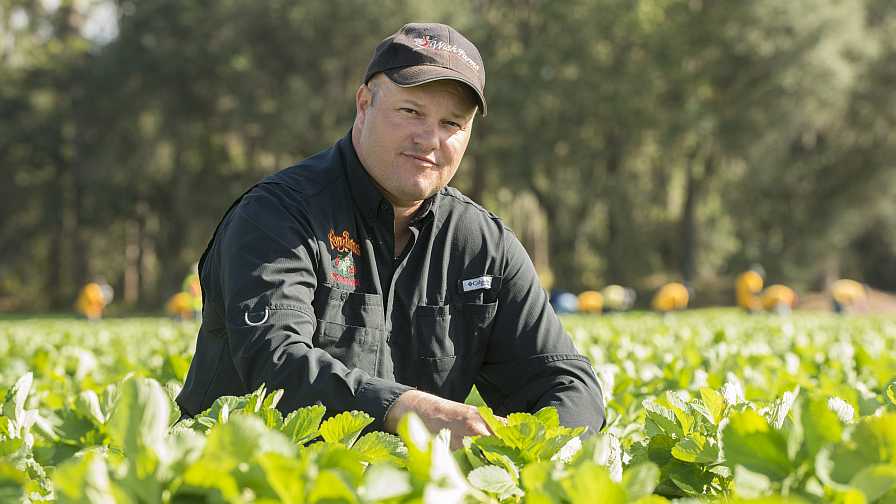
How Fall Creek Nursery Grew Into a Modern American Success Story By David Eddy|October 4, 2022 Learn how a young farming couple transformed the blueberry industry.
Huge Vertical Farm Venture Will Raise Strawberries to a New Level By Brian Sparks|September 15, 2022 Plenty Unlimited has secured up to 120 acres of land near Richmond, VA, to bring fresh produce to the East Coast year-round, starting with Driscoll’s berries.
DYK? AI Is Learning To Keep an Eye Out for Subpar Strawberries Posted by Paul Rusnak|September 9, 2022 New ag tech system taught to detect bruised fruit before it gets to the grocery store.
Anthracnose Fruit Rot Can’t Hide From this Ag Tech Tool By UF/IFAS News|August 19, 2022 Learn more about a web-based program that is proving to help blueberry growers control plant disease and reduce fungicide use.
New Gene Discovery Protects Strawberry Crops from Fusarium Wilt By Emily C. Dooley, UC Davis|August 17, 2022 UC Davis says it will release resistant varieties to growers later this year.
What It Takes To Help Make Flavor of Strawberries More Superior By UF/IFAS News|August 11, 2022 Scientists search for the sweet spot to find genes responsible for several flavor compounds in popular food crop.
Fertigation in Substrate: Doing it Right for Berries By Thomas Skernivitz|August 8, 2022 Long cane berry growers can enjoy far more command in a soilless system, but their margin of error is also much greater.
Makes Scents to Me: Why More Aromatic Blueberries Taste Better By UF/IFAS News|August 4, 2022 Learn how researchers extracted the data to predict consumer liking and preference for certain blueberry varieties
Fruitful Prospects Continue To Flourish for Berry Growers Today By David Eddy|July 26, 2022 When it comes to introducing a new crop, blackberries, raspberries, and strawberries lead the way.
Plenty of Reasons To Admire the U.S. Blueberry Industry By John R. Clark|June 14, 2022 Thanks to exceptional collaboration among professional associations and their leaders and constituents, the blueberry community continues to thrive.
Genetics and Phenomics Combo Could Be Key for Powdery Mildew Solution Posted by Paul Rusnak|May 11, 2022 Learn how strawberry growers look to benefit from new research that digs deep inside plant trait data.
Frost and Freeze Hinder Michigan Apple Production in the Last Year By Growing Produce Staff|May 9, 2022 However, the state’s 656 million pounds still ranked third in the U.S.
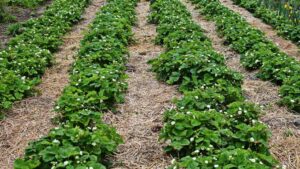
Listeria Might Be a Risk on Straw Mulch for Strawberries By Trevor Suslow|April 26, 2022 While the chance of an outbreak is not great, the quality of straw mulch being used is definitely a point worth pondering.
Optimizing Soil pH for Organic Blueberries From the Ground up By Lisa DeVetter|April 19, 2022 Growers may be able to manage soil pH while bringing new plantings into production up to a year sooner.
Why This Fruit Breeder and Researcher Is a Rock Star By Thomas Skernivitz|April 13, 2022 John Clark has been an asset to the berry industry for more than four decades, and his work is not done quite yet.
Sap Analysis Offers Real Time Take on Berry Plant Uptake By Thomas Skernivitz|April 9, 2022 Akin to a blood sample for plants, scientific process targets needs, eliminates guesswork, and resists the status quo.
Ways To Keep Pace With Changes in the Berry Market By Thomas Skernivitz|April 5, 2022 As competition increases among plant breeders, growers should react accordingly.
This PGR Is a Benefit to Blackberry Crops By Thomas Skernivitz|April 2, 2022 Although not infallible, P-Ca treatments exceed the grower standard.