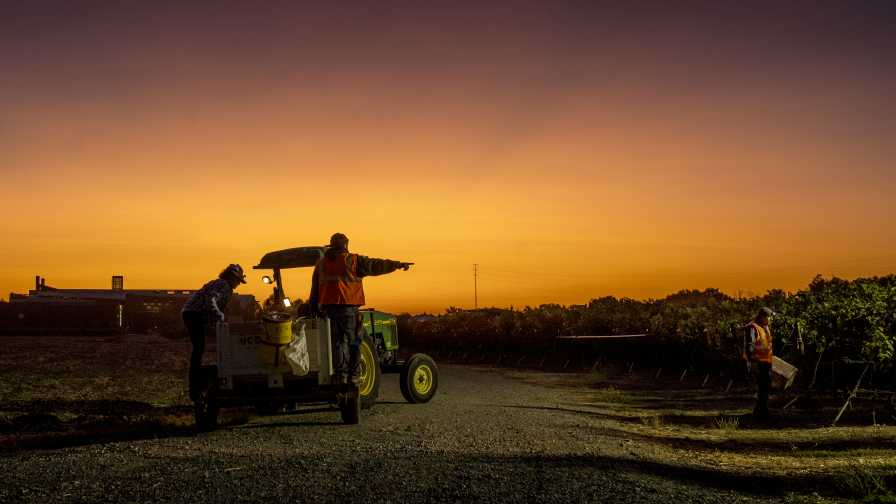
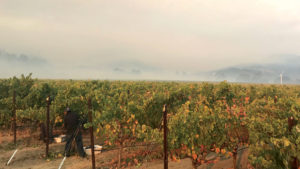
Wildfires Rage on California Wine Country Posted by Growing Produce Staff|September 29, 2020 Disaster declaration requested as dozens of wineries and acres of grapes impacted by flames and smoke.Read More
How to Maintain Vegetable Yield Performance Despite Poor Water Quality By Chris Malek, Deerpoint Group|September 29, 2026
By the Numbers: Latest Food Price Outlook for Fruits and Vegetables Posted by Paul Rusnak|September 29, 2026
IR-4 Project on a Quest To Grow Specialty Crop Export Opportunities Posted by Growing Produce Staff|September 28, 2026
Good Advice for the Grape Industry From Long Ago By David Eddy|September 29, 2020 An unexpected blast from the past shows how growers really do need to take the long view.
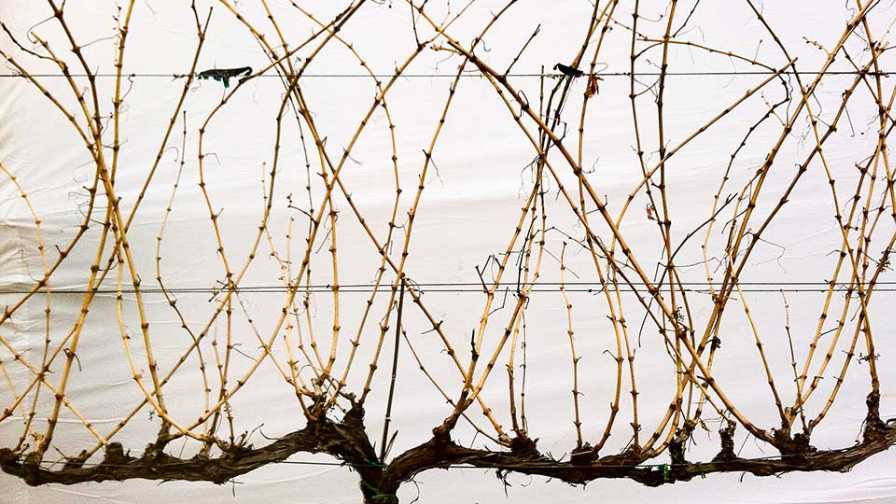
Lessons Learned From Vineyard Pruning in the Mid-Atlantic By Tremain Hatch, Virginia Tech|September 14, 2020 Ever-present change has resulted in the installation of new vineyards that are designed for head training and cane-pruning.
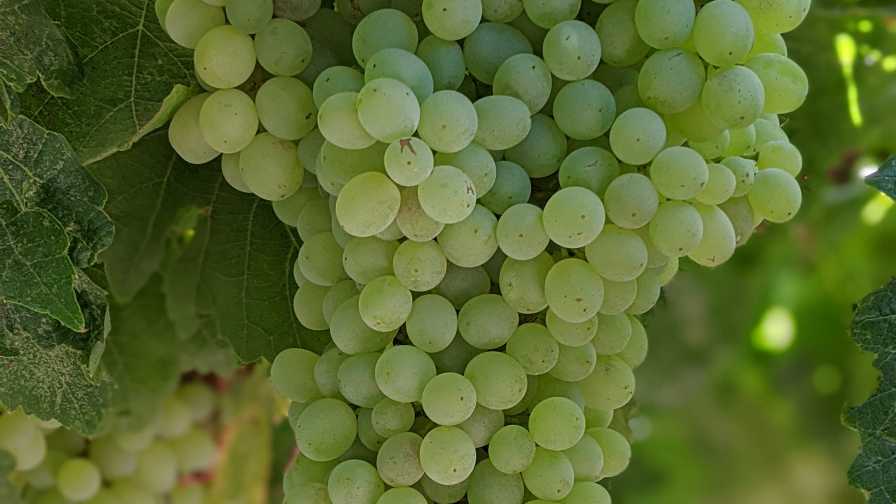
What’s up the With Fruit Set Issues in California Grapes? By Matthew Fidelibus|September 7, 2020 Growers reporting a range of concerns, including excessive shatter (poor set) and excessive set
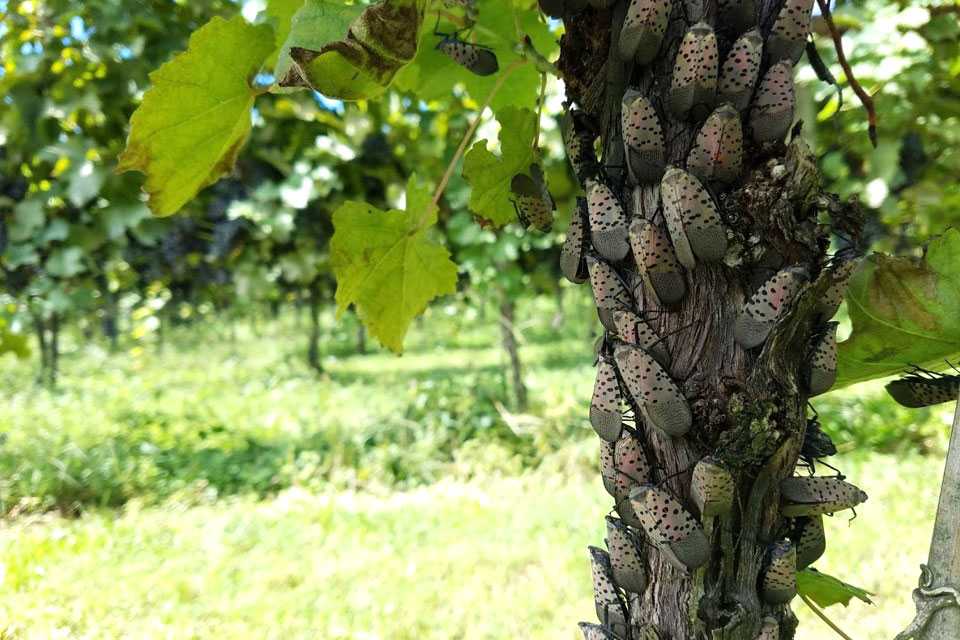
Spotted Lanternfly a Major Threat to Fruit Crops in the Midwest? By Gary Gao, Ohio State University|September 1, 2020 See why the invasive pest could mean hardship in the heartland for grape growers.
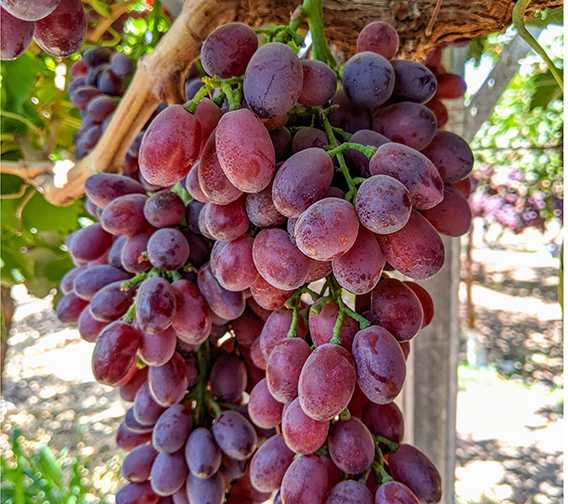
Table Grapes on the Grow and Go in New Mexico By Thomas Skernivitz|August 3, 2020 Seeing a match made in ag heaven, researchers aim to single out the best fresh-eating varieties for the state.
Oregon State Professor Takes Helm of American Society for Enology and Viticulture By Growing Produce Staff|July 30, 2020 Dr. Patty Skinkis heralded for strengthening relationships between industry members and researchers through technical groups.
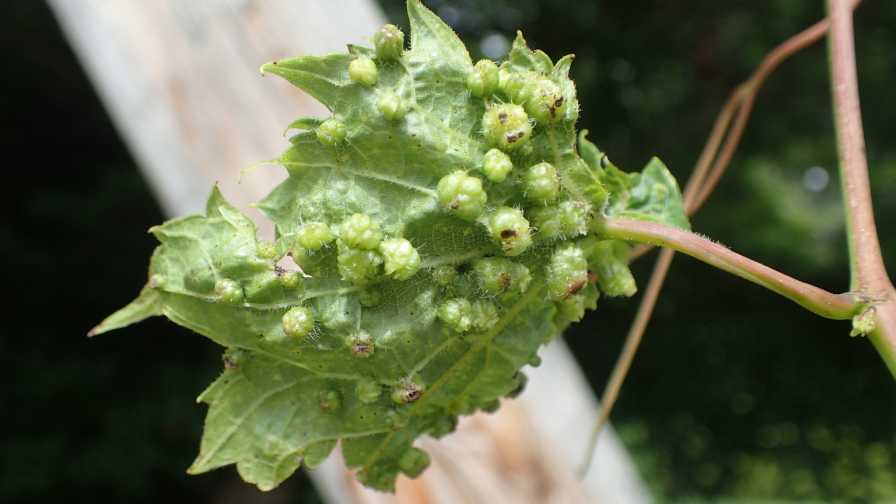
Understanding (and Destroying) Grape Phylloxera By Thomas Skernivitz|July 28, 2020 Scientists break down the genome of the vineyard pest, aim to slow its momentum.
Heads Up: The Spotted Lanternfly Is Coming By David Eddy|July 8, 2020 Arrival of the pest in California seems to be almost inevitable, so the time to prepare is now.
Wine Grape Growers Brace for Big Hit From COVID-19 Posted by David Eddy|June 29, 2020 Analysis says the toll for the California industry could be at least $437 million. Find out the major factors.
Mechanically Harvested Raisin Acreage up to Nearly 30% Posted by Growing Produce Staff|June 29, 2020 Find out why usage continues to climb at steady rate.
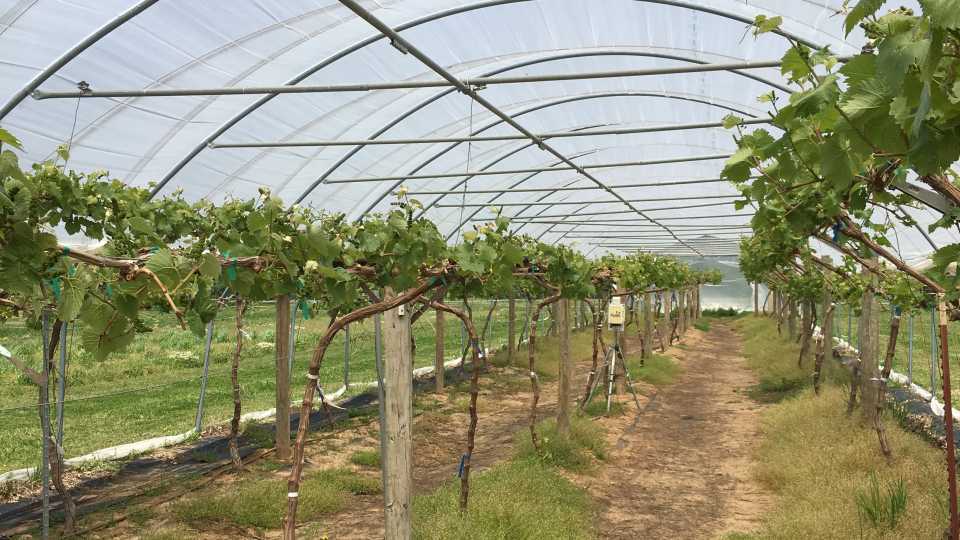
Grape Expectations Growing up in High Tunnels By Kathie Taylor|June 2, 2020 Researchers in, of all places, Arkansas excel in growing table grapes despite the humid climate.
Famed Grape Breeder: Play Smart and Win By Matthew Fidelibus|May 18, 2020 Trait inheritance is important, but breeding is a ‘numbers game,’ according to Dr. David Ramming.
Why Smoke Taint Is No Joke for Grape Growers By Thomas Skernivitz|May 13, 2020 Labeled to diminish fruit sunburn and cracking, a phospholipid spray unexpectedly fares well against smoky foe.
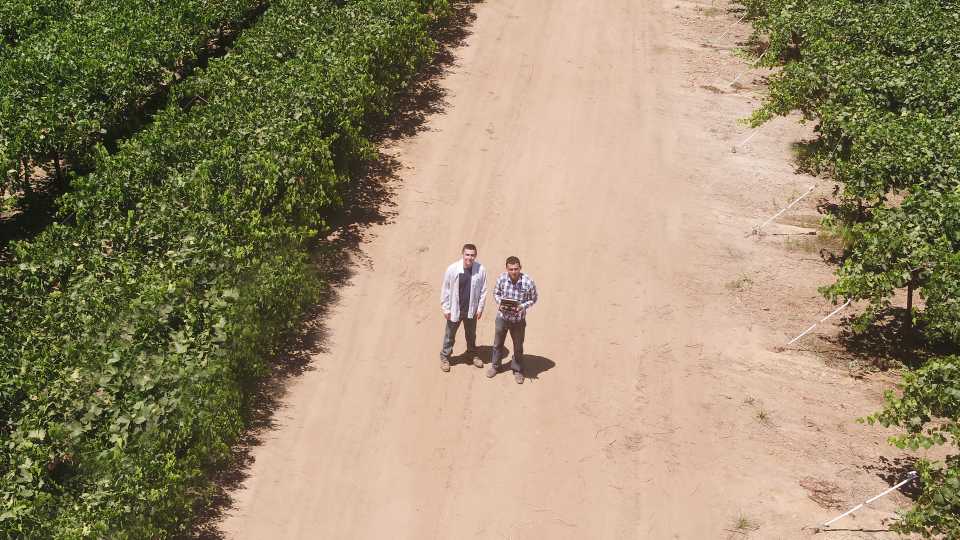
Welcome to the Age of Digital Agriculture By David Eddy|May 6, 2020 Using drones to scout grape vineyards cuts the need for workers, and the data collection is more exact and entirely objective.
California Wine Growers Urged to Pull Out Vines By David Eddy|April 15, 2020 Demand just isn’t there for more than 560,000 acres, and the state has exceeded 590,000 the past two years.
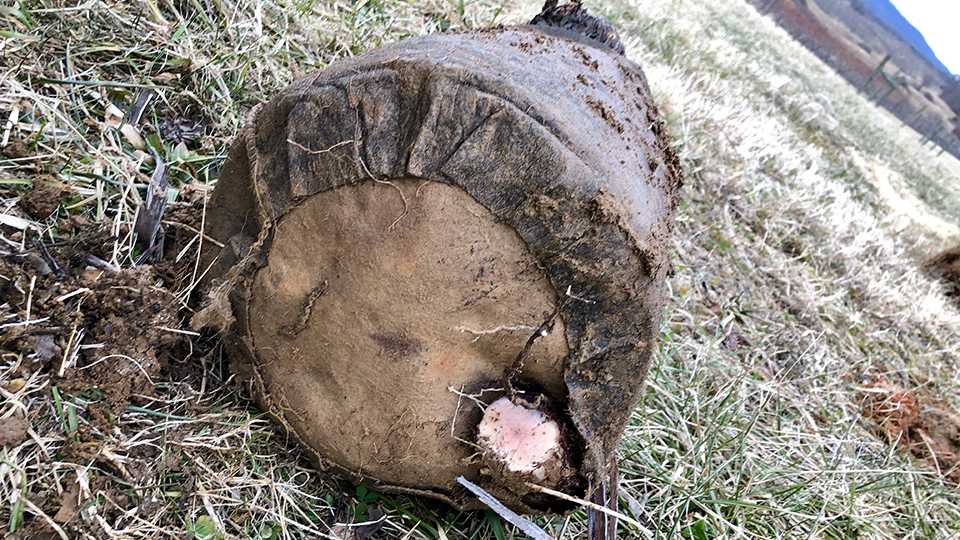
How Grape Growers Can Reduce Vine Size with Root Restriction By Tremain Hatch, Virginia Tech|March 17, 2020 Indirect observations of grafted grapevine roots indicate placing a vine in a root bag can do the trick.
Ways UV Light is Exposing Fruit Pests and Pathogens By Kathie Taylor|February 12, 2020 An international multidisciplinary team finds beneficial effects of ultraviolet light on grapes as well as other crops.
Big Bite Taken Out of California Wine Grape Crush Posted by David Eddy|February 10, 2020 Red varieties, which account for the largest share and draw the highest prices, were down 13% from 2018.
Grape Growers Grapple With Solutions to Workforce Woes By David Eddy|January 6, 2020 Most producers cite labor as their biggest headache and are looking forward to technological advancements to provide answers.