Fruits
FDA announces common-sense decision to exercise discretion on enforcement of Produce Safety Rule on crops that may have a reduced presence of foodborne pathogens.
First commercial use of automated picker logged in Southern Hemisphere orchard.
Driscoll’s alleges illegal use of its hybrid to cross breed for new varieties.
Overflow of interest in cultivating the crop locally has produced a need to pore over details and flush out facts.
During the news writer’s investigation, he discovered how illogical H-2A rules can be.
Dart Fungicide EC from Westbridge Agricultural Products gets nod from EPA, approved for use in organic production.
Improved groundwater and surface storage are needed, says letter from more than 100 organizations.
Researchers at Clemson University say state’s peach crop survived the threat of cold temperatures earlier this month.
Oregon offered stunning views and inspiring agriculture operations practicing biocontrol for plant pests and diseases.
Central Florida-based growing operation Misty Organics is countering competition by filling a niche demand.
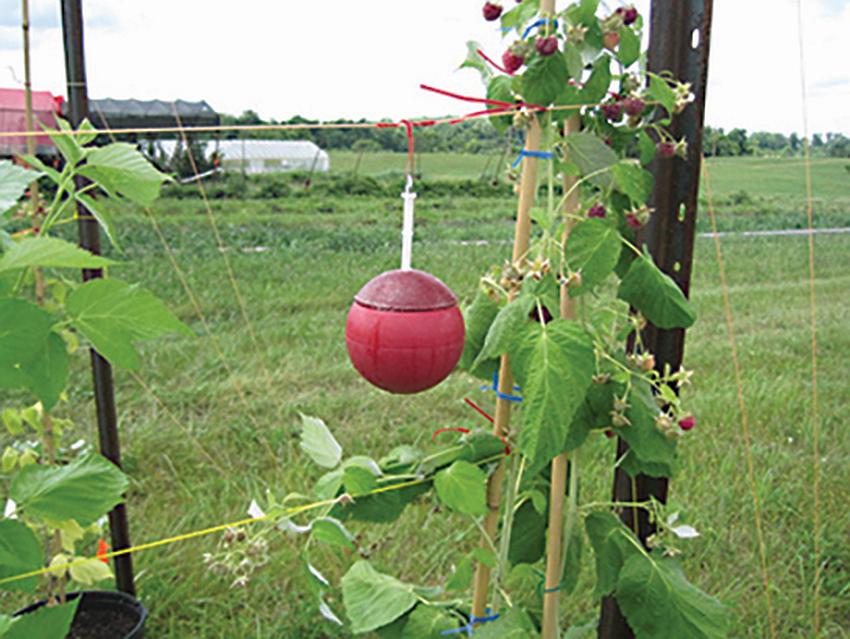
Scientists examine the parasitism rate of two predatory wasps on notorious fruit pest.
Wallace Heuser and his family have had a lasting impact on modern fruit production, one that’s important to acknowledge.
Reports of populations established in another county prompted a new quarantine and Delaware extends border restrictions for feared invasive pest.
As the average American becomes increasingly ignorant about farming, you’d be wise to step forward and speak up.
Dynamic speakers at this year’s Biocontrols USA West Conference & Expo in Portland, OR, target fire blight, stink bug trouble spots, and greater understanding of biopesticides.
While new farm tech innovations stir the imagination of fantastical possibility, one day, we’ll wake up and wonder how we ever lived without them.
Research in commercial vineyards shows overthinning doesn’t impact wine quality and may be costing you higher returns.
A district judge ruled against a lawsuit challenging a sharp increase in the adverse effect wage rate (AEWR) in Nevada, Utah, and Colorado.
Although current food safety measures include barring wildlife as much as possible, ecologically diverse farms may be safer, a Washington State University study involving 70 farms throughout the West Coast finds.