USDA extends deadline for commodity and specialty crop farmers impacted by foreign tariffs to certify production for Market Facilitation Program payments.Read More
Rules and ways of doing things can evolve from just “a way to get the job done” to “the way it must be.” Spread that out among several crews with their own rules, and your operation can founder.
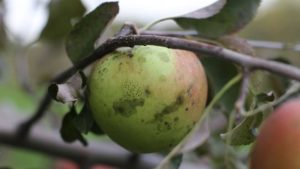
If you had high disease and rot pressure last year, starting the year off with good management strategies will help start your orchard on the right foot this year.
California Company adds numerous wine brands, such as Clos du Bois and Wild Horse, and new production facilities, including New York’s Canandaigua and Washington’s Hogue Cellars.
Successful bunch rot control is an integration of several methods, but fruit zone leaf removal, especially earlier in the season, can give your vines a leg up.
FDA announces common-sense decision to exercise discretion on enforcement of Produce Safety Rule on crops that may have a reduced presence of foodborne pathogens.






![Show Your Team How Vital They Are to Your Farm’s Success [Opinion]](https://s3.amazonaws.com/files.growingproduce.com/growingproduce/wp-content/uploads/2019/04/Gears-free-images-300x169.jpg)