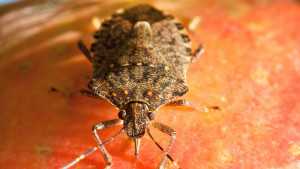
Penn State University tree fruit entomologist offers tips to control tufted apple bud moth, obliquebanded leafroller, Oriental fruit moth, codling moth, and brown marmorated stink bug.
Producers, especially those recently affected by fires and weather-related damage in Pacific Northwest, should give notice within 72 hours of discovery of damage.
The first sustainable commercial success stories in the biopesticide market were seen in the 1980s and 1990s. Since then, the market has grown exponentially, and is projected to exceed $3 billion by 2016.
As the use of biopesticides continues to increase at a staggering rate, more and more resources are being made available to the public to help increase awareness of the sector.
With the entry of major suppliers into the biopesticide arena, whether or not biopesticides work is no longer the question. Now, people want to understand how they work.





![Black Stem Borer: Old Pest, But New Problem For New York Apple Growers [Slideshow]](https://www.growingproduce.com/wp-content/uploads/2014/07/black-stem-borer-3-300x169.jpg)




![An Awakening To The Value Of Biopesticides [Opinion]](https://www.growingproduce.com/wp-content/uploads/2013/12/rick_melnick2012-Web-300x169.jpg)