Fruits
Agricultural Research Services’ San Joaquin Valley Agricultural Sciences Center marks a century of cooperative research.
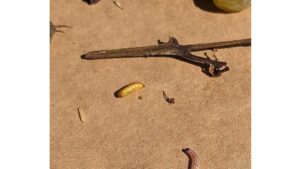
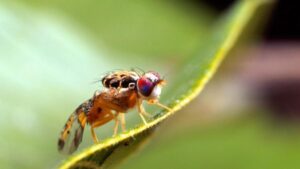
The Oriental Fruit Fly pest is known to target more than 230 different fruit, vegetable, and plant commodities.
Farming is enjoyable once again — and profitable — for a century farm in Missouri.
National Agricultural Statistics Service will conduct interviews with more than 1,400 growers to gather information for its 2023 Fruit Chemical Use Survey.
The new rule would enhance enforcement against employers who undermine labor standards.
Passion, dedication, artistry, and teamwork are the essential ingredients.
The just-released 2023 walnut crop forecast from USDA is at 790,000 tons, up 5% from 2022.
A doctoral candidate wants to develop an indoor grapevine transplant that can be planted and cropped in the same year in a commercial vineyard.
Early reports indicate most specialty crop interests in Florida and Georgia were spared the worst of major Hurricane Idalia’s wrath.
The traditional meeting season for specialty crop growers begins this month —a bit earlier than usual. Learn why.
Already on alert, USDA-APHIS inspectors confirm 20 more adult specimens of the Zeugodacus tau fruit fly were recently found in Los Angeles County.
Industry association estimates 25 million boxes of table grapes have been lost to effects from Hurricane Hilary.
Study shows rootstock, trellis, and nitrogen application rates work in your favor.
Program will provide coverage for loss of grafted vines caused by natural perils such as freeze or fire.
Environmental award-winning grower believes in regional, not self-serving promotion.
Learn why agriculture has become a target, the attacks it faces, and multiple ways it can stay safe from malicious actors.
Postharvest water provisions under the Food Safety Modernization Act Produce Safety Rule are now in full enforcement mode. Get in the know.
Funded projects include investing food safety, specialty crop research, developing new and improved seed varieties, and more.
New study says research partners have found a faster, safer, and less expensive way for growers to detect the invasive pest.