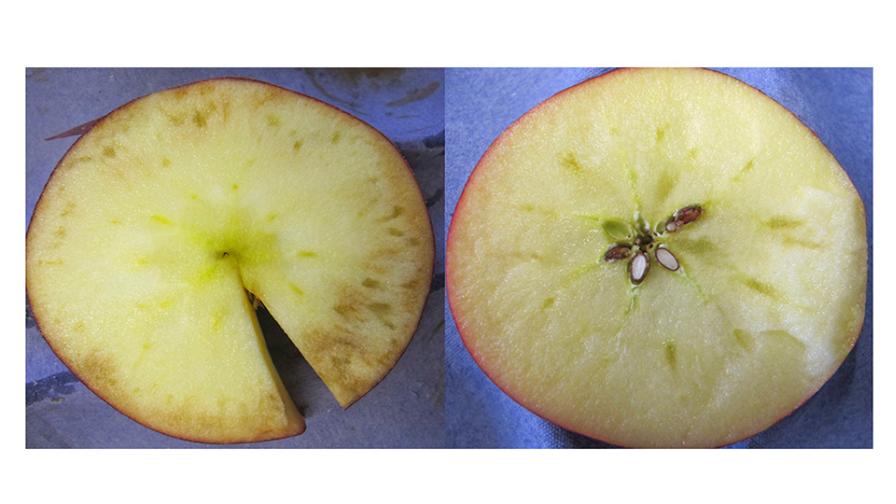
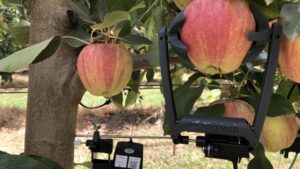
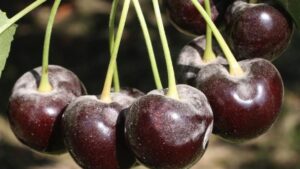
Pome Fruit Storage Disorders: The PGR Effect By Thomas Skernivitz|July 27, 2021 Despite their benefits, plant growth regulators should be used cautiously to enhance postharvest storability. Read More
IR-4 Project on a Quest To Grow Specialty Crop Export Opportunities Posted by Growing Produce Staff|September 28, 2026
Ways Fruit Growers Can Get the Most Out of New Sprayer Tech By Gary Gao, Ohio State University|September 28, 2026
California Grapes and San Francisco 49ers Team up for New Promotion By California Table Grape Commission|September 27, 2026
What To Know About New Microbial Solution That Helps Crops Thrive With Less Water Posted by Growing Produce Staff|September 25, 2026
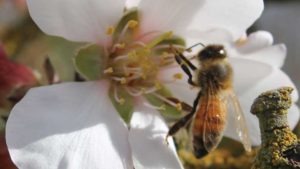
Cover Your Bases for Optimal Almond Pollination By Thomas Skernivitz|July 27, 2021 There’s no better place for a honey bee to be these days than an almond orchard designed by Project Apis m. to promote pollination.
Struggle Is Real as Mexican Exports Continue to Flood U.S. Markets By Frank Giles|July 26, 2021 If the pandemic has taught us anything, it should be to protect domestic agriculture or risk becoming dependent on foreign sources.
We Believe in Florida Citrus Podcast: Taking a Deep Dive into New Rootstocks and Varieties from UF/IFAS By Frank Giles|July 26, 2021 Tune in as Dr. Jude Grosser talks about his favorite new rootstocks and scions and what they will mean to the future of the industry.
First Fresh U.S. Blueberries Arrive In China Posted by David Eddy|July 23, 2021 To gain access to the China market, the U.S. government and the U.S. Highbush Blueberry Council worked together with China’s customs authorities for years to develop export phytosanitary protocols for fresh blueberries.
Can UVC Light Treatment Save Strawberries from Mites and Chilli Thrips? Posted by Paul Rusnak|July 21, 2021 Unique crop protection method put to the test again by researchers looking for ways to gain more ground for growers.
Pumped for Papaya! New Growth Opportunities Take Root in Florida Posted by Paul Rusnak|July 21, 2021 Popularity of the fruit among consumers prompts further research for commercial expansion.
Get Your Farm Into the Flow With These New Irrigation Products By Thomas Skernivitz|July 20, 2021 Equipment arriving through the pipeline aims to address irrigation problems for growers as early and efficiently as possible.
New Technology Aims to One up Plant Pests and Pathogens Posted by Growing Produce Staff|July 17, 2021 Researchers claim to have found a way to manage pests and diseases in multiple crops without the use of antibiotics.
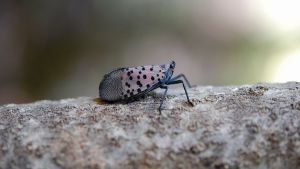
Quarantine State: California Prohibits Introduction of Spotted Lanternfly Posted by Thomas Skernivitz|July 16, 2021 Various articles and conveyances banned if originating from any area where SLF infestation exists.
Imaging Spectroscopy Predicts Water Stress in Wild Blueberry Fields Posted by Thomas Skernivitz|July 16, 2021 University of Maine researchers cite increased need for predictive tools because of warming, drought, freezing, and pathogens.
Almond Nectar Can Reduce Viruses and Gut Parasites in Honey Bees Posted by Thomas Skernivitz|July 16, 2021 Amygdalin component, also found in cherries, nectarines, and apples, acts as an antibiotic.
Michigan Grower Takes Reins at U.S. Highbush Blueberry Council Posted by Thomas Skernivitz|July 15, 2021 Shelly Hartmann of True Blue Farms succeeds Chris Barnhill as organization’s chair.
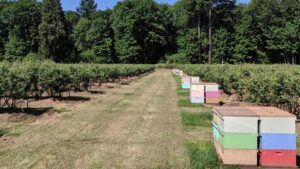
The Buzz on Beehive Quality for Better Berries By Thomas Skernivitz|July 13, 2021 The more inviting to bee colonies, the better chance berry fields have at proper pollination.
Irrigation Tips for Produce Growers: Dealing With the Dry Season By Thomas Skernivitz|July 13, 2021 Equipment manufacturers stress timeliness, efficiency to combat rising temperatures, and minimal moisture.
Pallet Shortage Perspective: From Stacking Skids To Lacking Skids By Thomas Skernivitz|July 12, 2021 Hopefully, the worst of pandemic-related problems are behind us. But until then, there’s still some heavy lifting to do — splinters and all.
California Table Grape Grower First To Receive Sustainable Certification Posted by David Eddy|July 9, 2021 Columbine Vineyards, which was founded in 1926 with a single vine, has cut water use and waste, as well as embarking on carbon sequestration.
Clear the Smoke: Groups Call for Wildfire Risk Sharing Between Grape Growers, Wineries Posted by Thomas Skernivitz|July 9, 2021 Bottom line for stakeholders: “No party to a contract should be forced to bear a disproportionate share of the risks when wildfires occur.”
Fight Fungicide Resistance in Cherry Powdery Mildew By Kathie Taylor|July 6, 2021 Refraining from Groups 11 and 3 fungicides may preserve them for future use.
Is Sap Analysis the Future of Fine-Tuning Plant Nutrition? By Frank Giles|July 5, 2021 The tool, often referred to as a blood test for plants, is getting more attention from growers.