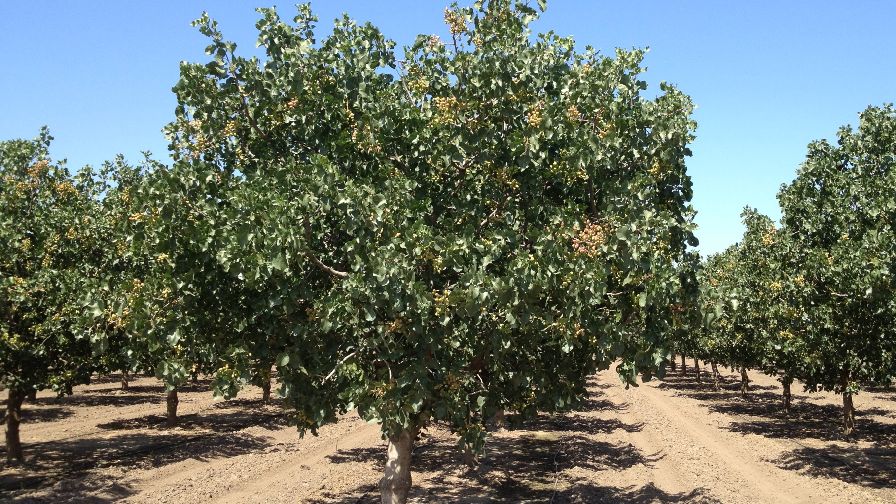
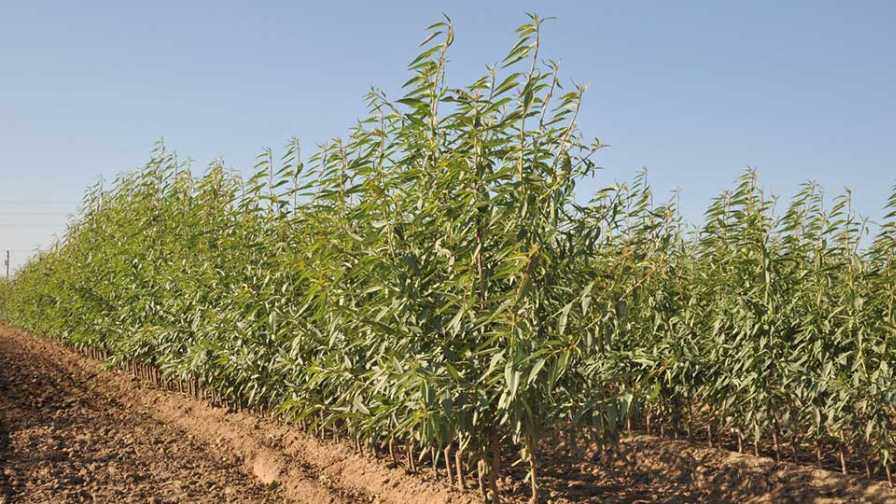
Why You Should Test Peak Salinity in Pistachio Orchards By Thomas Skernivitz|December 7, 2020 Growers have found success on suboptimal soils, but how much saline is too much saline for the nut trees? Read More
IR-4 Project on a Quest To Grow Specialty Crop Export Opportunities Posted by Growing Produce Staff|September 28, 2026
Ways Fruit Growers Can Get the Most Out of New Sprayer Tech By Gary Gao, Ohio State University|September 28, 2026
California Grapes and San Francisco 49ers Team up for New Promotion By California Table Grape Commission|September 27, 2026
What To Know About New Microbial Solution That Helps Crops Thrive With Less Water Posted by Growing Produce Staff|September 25, 2026
Valent BioSciences Digs in To Celebrate World Soil Day Posted by Growing Produce Staff|December 3, 2020 Learn more about the company’s educational initiatives supporting healthy soils and sustainable crop production.
New Insecticide Protects Against Woolly Apple Aphid, Pear Psylla, and Other Soft-Bodied Pests By Growing Produce Staff|December 2, 2020 New Product from Valent U.S.A. is now available for use in pome fruit.
How These Produce Growers Handled COVID-19 With Success By David Eddy|December 1, 2020 2020 will forever be known for the coronavirus. Some farming operations, however, grew business by taking a healthy approach to dealing with the pandemic.
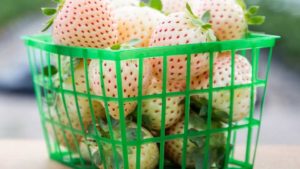
Make Way for First White Strawberry in the U.S. Posted by Paul Rusnak|December 1, 2020 The uniquely colored berry that smells like pineapple is just one of two new juicy varieties being released to growers.
Advantages of Smart Pest Traps in Your Nut Orchard By David Eddy|December 1, 2020 Knowing what’s going on in your crop, allowing you to stay ahead of pest flights, is critical in saving time and money.
Rootstock Issues Fruit Growers Should Be Thinking About By David Eddy|November 30, 2020 See what experts in the field have to say about this critical question.
What Are the Top Food Trends for 2021? Posted by Growing Produce Staff|November 30, 2020 Cooking at home is broadening the horizons for grocery shoppers, according to a list compiled by Whole Foods Market.
Eight More Years: New York Growers Renew Apple Marketing Order By Thomas Skernivitz|November 24, 2020 Nearly $2 million per year will continue to be used to promote the state’s apple industry.
And Now To Give Thanks for the Produce Industry By David Eddy|November 24, 2020 American Fruit Grower Editor David Eddy explains why we should be thankful to be part of a sector filled with solution-oriented people of integrity.
The Time Might Be Right for Grape Rootstock By Thomas Skernivitz|November 23, 2020 Aggressive wine grape growers might want to consider planning rootstock in 2021, California nursery says.
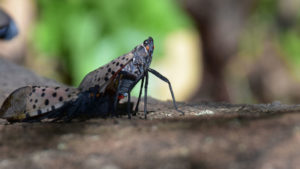
Florida Growers On Alert for Spotted Lanternfly Posted by Paul Rusnak|November 23, 2020 The invasive pest with an appetite for fruit crops and other plants is spreading across parts of the country. Is Florida on the menu?
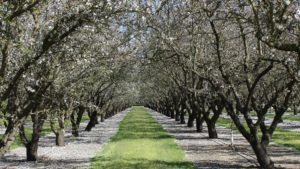
Answer: 1,552,754! Question: How Many Acres of Almonds Are There? Posted by David Eddy|November 20, 2020 Extensive mapping effort provides almond industry with more precise, timely information.
What Thanksgiving Dinner Will Cost in a Pandemic Posted by Paul Rusnak|November 19, 2020 American Farm Bureau’s annual survey of classic food items for the holiday serves up lowest prices in a decade.
Barn Owls Can be an Effective Control for Rodents and Gophers By Lauren María Alexander|November 18, 2020 The predators are already getting results in vineyards and orchards. Research is showing they’re just as effective in vegetable and fruit fields.
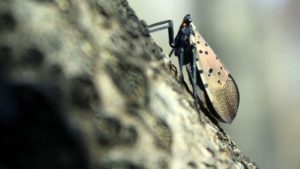
Adult Spotted Lanternfly and Eggs Found in Upstate New York By Thomas Skernivitz|November 17, 2020 State officials urge grower vigilance, as the pest favors grapes, a hallmark of the Finger Lakes region.
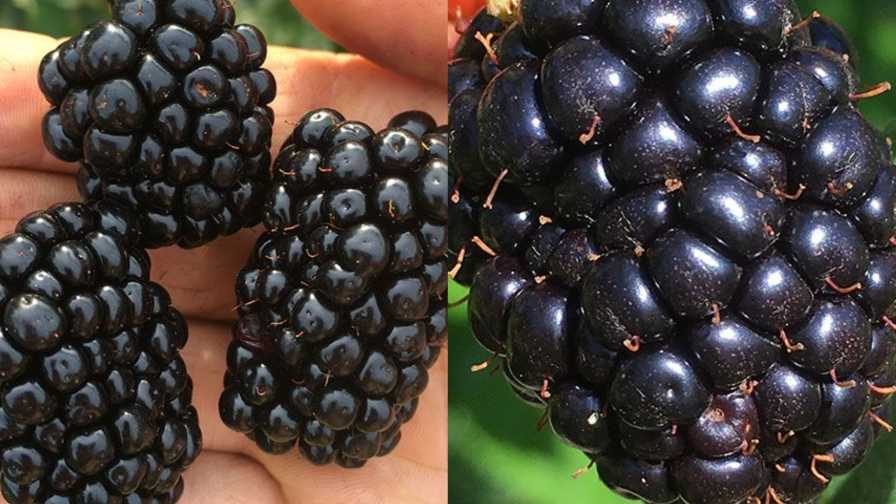
The Berry Business in 2020 Is Good, But Not Easy By Thomas Skernivitz|November 17, 2020 Labor, land, and disease tolerance issues are just some of the barriers to running a successful berry nursery today.
Pollinating Varieties or No Pollinating for Almond Growers? By David Eddy|November 17, 2020 When it comes to one tree nut crop, whether to go with a self-fruitful variety might be the biggest question.
‘Hairy Roots’ To the Rescue! Deadly Plant Diseases Put on Notice By AgriLife Today|November 16, 2020 Learn how researchers unearthed new lab tech to fight fastidious pathogens like HLB, zebra chip, and more.
Fruit Breeding Gains Ground With Mini CRISPR System By Kenong Xu|November 16, 2020 Smaller size allows the use of disarmed plant virus-based delivery vehicles of much limited cargo capacity.