Nuts
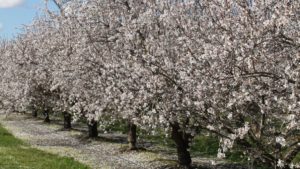
Partnership between Land IQ and Almond Board of California offers a clearer picture of almond acreage and other statistics.
FDA announces common-sense decision to exercise discretion on enforcement of Produce Safety Rule on crops that may have a reduced presence of foodborne pathogens.
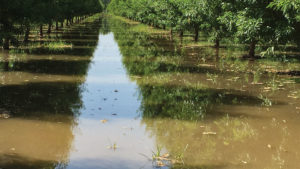
Poor water penetration has several causes, aside from just soil compaction.
Beloukha from Belchim USA aims to naturally burn down and help control a host of troublesome weeds.
Jim Cranney, California Citrus Quality Council President, takes over from for Phil Korson, President of Cherry Marketing Institute.
No grower wants to leave trees parched but starting too early in the season can lead to both root and crown diseases.
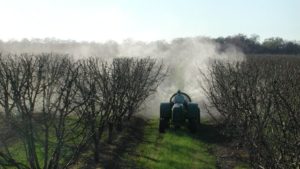
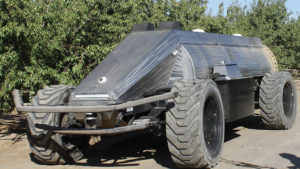
With advanced software to drive the machine and follow a route, this unit is the next generation of farm sprayers.
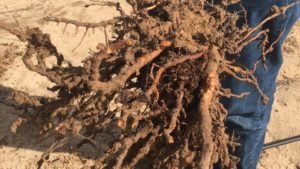
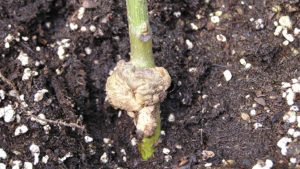
Two young orchards, one in Merced and one in Kern County, tested positive for the peach root-knot nematode on Nemaguard and Hansen 536 rootstocks.
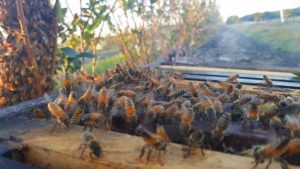
Pollination Network aims to help local growers across the U.S. find the bees they need for healthier and more sustainable crops.
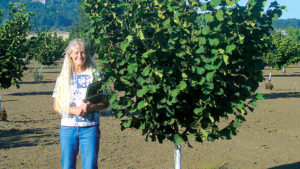
Varieties from Oregon State University resist fungus and allow for more acreage to meet growing demands
USDA set to dole out another round of trade mitigation payments through its Market Facilitation Program.
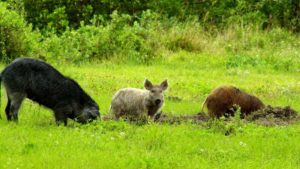
Research tracks wild hog populations to determine behavior and feeding patterns.
Also at annual conference, Almond Board of California Announces $7 million research in research products.
Crop protection company is developing unique peptide into a family of insecticidal products.
It’s a long road to developing disease-resistant rootstocks, but USDA-ARS research at the University of California, Davis is providing a great start for walnuts.
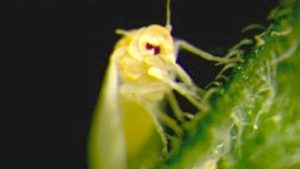
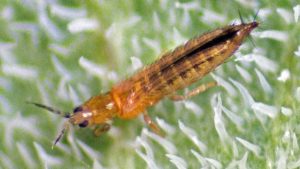
Broad spectrum product PQZ is registered for control of of aphids, citrus thrips, leafhoppers, mealybugs, and whiteflies.
Novel conference and expo created for specialty crop growers of all types and industry stakeholders alike shines brightly amid the lights of Las Vegas.

Early damage calculations continue to add up for the state’s farmers in wake of the super storm.
Producers suffer an estimated $560 million loss close to harvest.