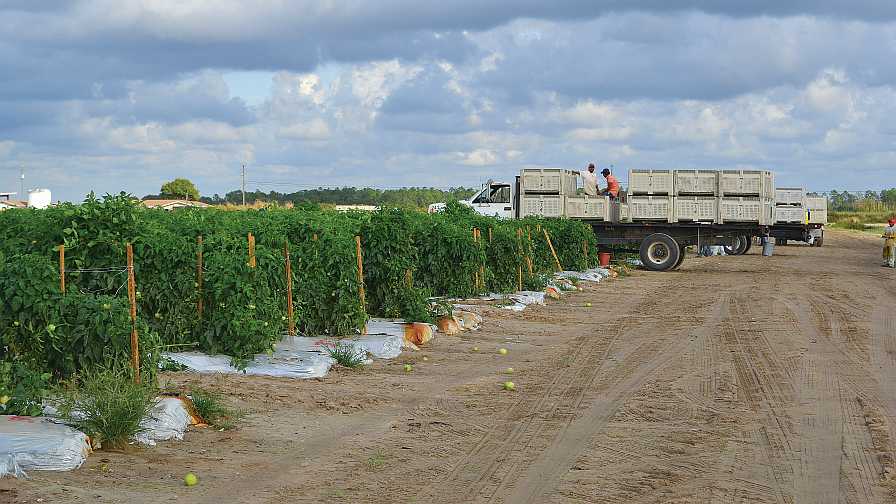
Crop Insurance Deadline Looms for Florida Tomato and Pecan Growers Posted by Paul Rusnak|January 9, 2020 2020 is here. Are you and your farm assets covered? Read More
How Emeritus Vineyards Grows Opportunities with Diversification and Dry Farming By Crystal Nay|September 30, 2026
Enza Zaden Named Signature Sponsor of 2026 CEAg World Conference & Expo By CEAg World|September 30, 2026
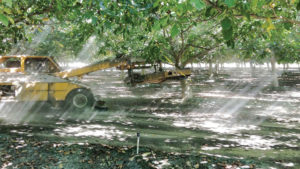
Why the Almond Industry Is on the Edge of a Revolution By Jack Petree|December 18, 2019 Learn what Advanced Harvest will mean to how growers bring in the crop.
California Almonds to Benefit from New $6 Million Research Effort By David Eddy|December 10, 2019 Learn more about the Almond Orchard 2025 Goals Roadmap, which outlines the industry’s sustainability journey in four goal areas.
Automated Pollination Tech Aims for California Almonds Posted by Growing Produce Staff|December 3, 2019 After successful field trials that resulted in significant yields, Israeli agtech startup is ready for its unique pollination system to spread wings.
Is the Almond Industry on the Brink of an Oversupply Problem? Posted by Paul Rusnak|November 26, 2019 Report from CoBank scans scenarios, factoring shifts in acreage, weather, and even water regulations. Get the synopsis.
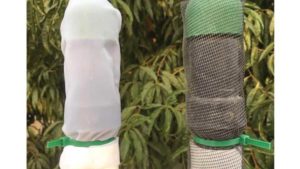
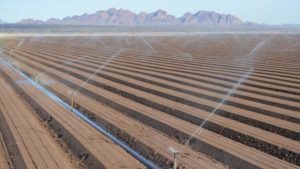
Tips to Prevent Sprinklers From Getting Plugged in the Orchard By Wesley K. Asai|November 14, 2019 Air vents are a common entry point for pests, and may need screening.
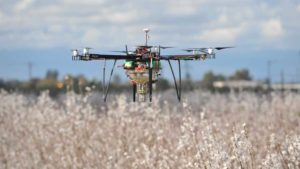
Bee Free! How Growers Can Pollinate with Drones By Christina Herrick|November 6, 2019 See how a Syracuse, NY-based startup is using unmanned aerial vehicles to fly over orchards and increase yields by 25% to 50%.
Navel Orangeworm Plague Might be Growing Out of Control By Christina Herrick|October 8, 2019 Leading experts in pest management say removing and destroying mummy nuts is the best way to break the life cycle of this major pest.
New Tool Helps Pistachio Growers Pinpoint Yields By Christina Herrick|September 24, 2019 Web-based analytics use machine learning to better predict pistachio crop forecasts.
Appreciate Agriculture: The Other Side of California By David Eddy|August 21, 2019 The Golden State’s farming sector isn’t appreciated enough for all that it is – and isn’t.
What Are the Best Herbicides for Threespike Goosegrass? By Drew Wolter | Brad Hanson|August 12, 2019 Tufted perennial grasses can compete for resources such as nutrients and water and can hamper nut orchard establishment.
How to Optimize Walnut Nitrogen Uptake By Jessica Zimmer|July 27, 2019 The right time, right place, right amount, and right type of nutrition will help determine your orchard’s success.
Produce Industry Organizations React to India Tariffs Posted by Christina Herrick|July 17, 2019 New restrictions take a chunk out of growing markets say apple, walnut, and almond stakeholders.
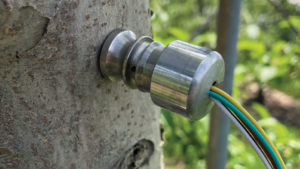
Real-Time Water Data Delivers Big Opportunity for Fruit and Nut Growers By Christina Herrick|July 16, 2019 A microsensor implanted in trees or vines can help more accurately manage irrigation and plant water status.
How to Choose the Right Hull Split Spray for Almonds Posted by Christina Herrick|July 3, 2019 With the threat of navel orangeworm still present in orchards, growers may need to spray at hull split to protect their crop.
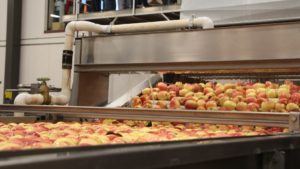
Apples, Nuts Hit with More Tariffs from India Posted by Christina Herrick|June 19, 2019 Apples will face 70% duties on exports.
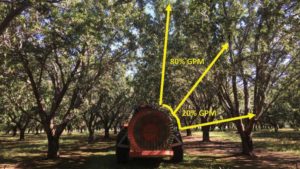
Improve Spray Coverage for Better Almond Pest Control By Kjersten Oudman|June 15, 2019 Follow these tips in order to help keep navel orangeworm and spider mites to a minimum in your orchard and save you time and money in the long run.
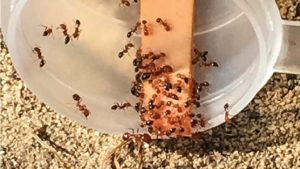
Methods to Manage Ants in Early Nut Harvest By Wesley K. Asai|June 12, 2019 While harvesting early could stave off damage from navel orangeworm and limb dieback, there is an increased chance fire ants could light up drying nuts.
Light Is Essential for Good Almond Yields By Jessica Zimmer|May 26, 2019 Heavily shaded canopies can cause spur mortality and take a bite out of your orchard’s productivity.
USDA Expects Almonds to Crack Record Yield Again Posted by Christina Herrick|May 22, 2019 Crop forecast looks to be 8.69% higher than last year, which will be about 2.50 billion pounds.