Nuts
These new products are designed to make a nut grower’s life easier.
Preliminary results of a survey conducted in December 2014 of more than 850 readers across six Meister Media […]
Topping the inaugural event’s marquee are presentations on “Driving Crop Quality and Productivity Using Biocontrols” by representatives from two of the largest produce growing organizations in the country.
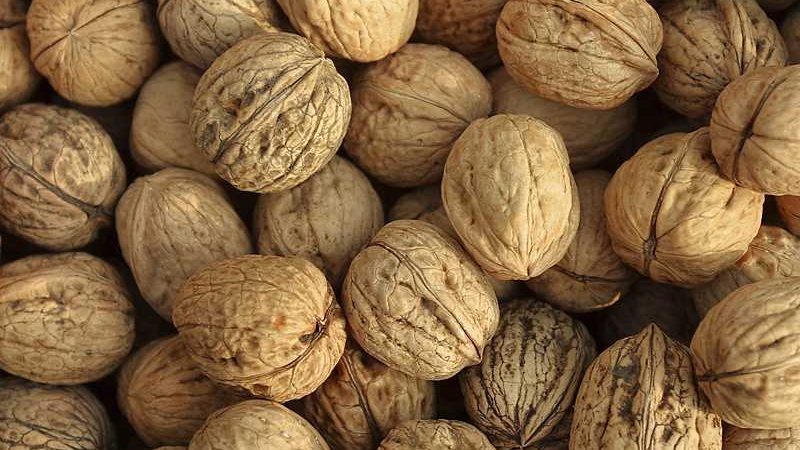
Although China stopped buying California walnuts, exports to India are on the rise.
Area IPM Advisor Emily Symmes helps growers preserve profits, quality and environmental stewardship through sound IPM practices.
Almond Board of California hosts modules on grower/huller management practices.
The award honors individuals who have added value to the California Almond industry through long-term service, contributions, or innovations.
This two-week course offers a comprehensive look at postharvest topics, including the latest postharvest technology.
Research conducted in Wyoming examines how the agricultural community is aging and what needs to be done to encourage young people to pursue a career in farming.
Bot canker and blight continue to be a major concern for walnut growers.
The deadline is Jan. 20 for growers or handlers interested in getting on the ballot.
A new design for American and Western Fruit Grower magazine is just the latest example of our mission to give you the tools you need to make your business better.
Returning to the farm is often an emotional decision, rather than a carefully considered career move.
University of California orchard nut crop farm advisor David Doll shares insight into upcoming research as well as potential challenges and opportunities for growers in 2015.

Last week’s welcome rains in California knocked down trees, especially older ones.
Nearly 3,000 industry professionals attend 42nd annual event in Sacramento, CA.
Industry is responsible for more than $21 billion in economic output, and adds $11 billion to gross state product.
The insect control product will be distributed through Valent U.S.A.
The latest research into Colony Collapse Disorder is focused on a number of issues facing bee populations.