Protected Agriculture
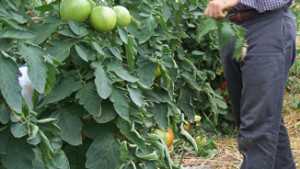
A four-page fact sheet is available to help high tunnel tomato growers fight leaf mold.
Perhaps it’s time you took a look at what’s going on under cover.
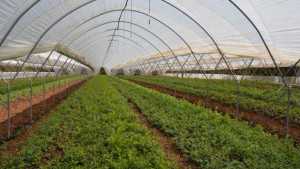
High tunnels are a growing niche, providing growers with high-quality produce, a competitive edge in market arrival time, and a more sustainable and efficient use of inputs.
Florida Grower managing editor Paul Rusnak says it’s time for growers to come in from the outside.
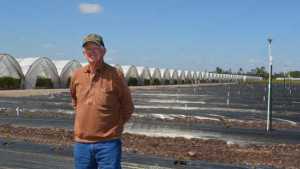
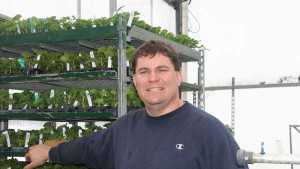
High tunnels help Alto Straughn push earliness and yields of his crops to new levels.
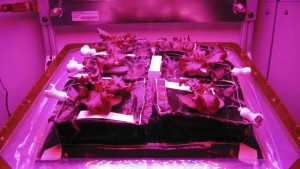
The plant growth chamber filled with living lettuce uses LED lighting and intends to help expand in-orbit food production capabilities.
Three day training available for specialty crop growers from Ohio State University.
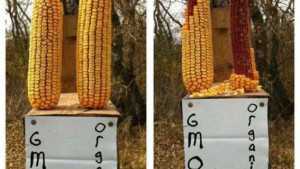
Rick Snyder shares a few facts concerning the status of GMOs in our food crops, which includes those grown in greenhouses.
Beneficials protect peppers from aphids and thrips both in and out of the greenhouse.
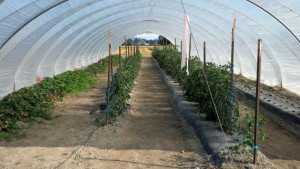
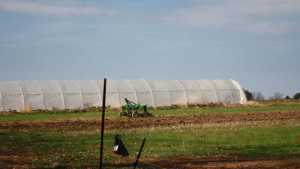
High tunnels not only provide vegetable growers with an opportunity to get a jump on the growing season, they offer numerous environmental benefits as well.
The greenhouse disinfectant can now be used in food preparation areas of the greenhouse, and can be used to treat harmful bacteria such as E. Coli on greenhouse surfaces where edible crops are handled.
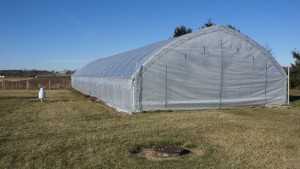
Points to consider when constructing your high tunnel walls.
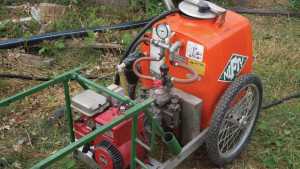
Researchers from Cornell University explore the use of a fixed sprayer system in high tunnel berries for effective canopy coverage.
Managing pests in vegetable transplants is an integrated process that includes sanitation, sound cultural practices, the use of resistant cultivars, and proper use of the correct crop protectant.

Greenhouse Management Workshop will take place Jan. 16-17 at the Ohio Agricultural Research and Development Center in Wooster.
Choose the proper site and construction materials and heed advice on irrigation and crop protection options.
Learn more about this season extension technique at Cornell Cooperative Extension in Batavia, NY.
Effort earns research team leaders the 2013 USDA National Institute of Food and Agriculture Partnership Award for Innovative Programs and Projects.
Hands-on tomato and lettuce intensive classes at the University of Arizona are slated for Jan. 5 to 12.