Protected Agriculture
Inside move could put producers in prime scoring position.
You cannot prevent a natural disaster from taking everything you have, but you can lessen the blow if and when it happens.
Make sure your protected agriculture components are prepared for whatever may blow this way.
There are several options to consider when deciding to protect against crop losses from rain.
As part of a series of free educational webcasts on The Plant Management Network, a nonprofit online resource […]
The University of Arizona Controlled Environment Agriculture Center hosts its annual short course March 22-27 in Tucson, AZ.
British trial shows much lower disease pressure, higher quality and bigger yields.
AgVets intends to employ an all-veteran workforce to manage and operate hydroponic greenhouse operations around the country.
Greenhouse expert Merle Jensen offers pointers on growing systems, pest control, plant nutrition, harvesting, and more.
Greenhouse expert Karin Tifft discusses the importance of scouting, pest identification, control options, and the importance of sanitation.
Greenhouse expert Merle Jensen, a speaker at the upcoming Greenhouse Crop Production & Engineering Design Short Course in Arizona, offers pointers on marketing, variety selection, location, and more.
University of Arizona researcher offers advice on purchasing commercially grafted plants, pitfalls to avoid, and an update on the latest technology.
Double-poly greenhouses revolutionized the greenhouse industry back in the 1960s, opening the way for developments that still impact the industry 50 years later.

Having a clearly defined plan for your operation and knowing which upgrades to make will lead you on a path to profitability.
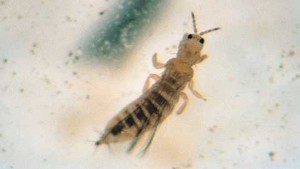
Why such a foreboding title? Thrips, one of the tiniest pests of greenhouse crops, are the carrier of […]
Event to focus on LED lighting technologies for specialty crop production.
Being flexible and adapting to the times critical for Central Florida’s Vo-LaSalle Farms.
Growing cherries under protective covers offers several advantages, including reducing the incidence of cracking.
Saylor’s Farm experiments with hydroponic production yield earlier, higher-quality and more marketable crops.