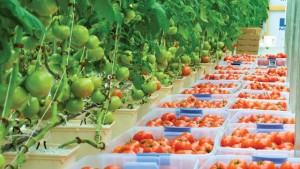
Greenhouse expert Merle Jensen, a speaker at the upcoming Greenhouse Crop Production & Engineering Design Short Course in Arizona, offers pointers on marketing, variety selection, location, and more.
University of Arizona researcher offers advice on purchasing commercially grafted plants, pitfalls to avoid, and an update on the latest technology.
Having a clearly defined plan for your operation and knowing which upgrades to make will lead you on a path to profitability.
Why such a foreboding title? Thrips, one of the tiniest pests of greenhouse crops, are the carrier of […]
Being flexible and adapting to the times critical for Central Florida’s Vo-LaSalle Farms.
Growing cherries under protective covers offers several advantages, including reducing the incidence of cracking.
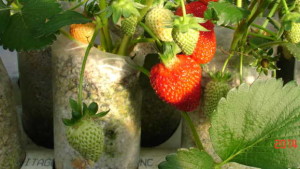
Saylor’s Farm experiments with hydroponic production yield earlier, higher-quality and more marketable crops.
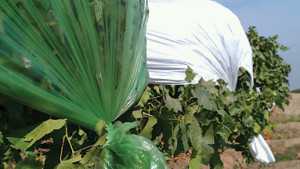
In studies, it appears green covers may delay fruit ripening and both covers may provide some protection from postharvest rots. .
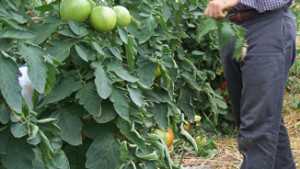
A four-page fact sheet is available to help high tunnel tomato growers fight leaf mold.
Perhaps it’s time you took a look at what’s going on under cover.
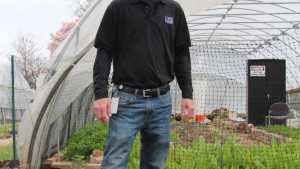
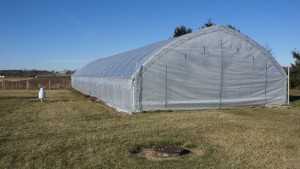
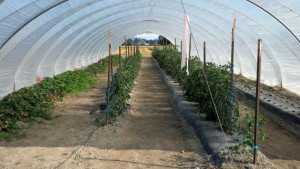
High tunnels are a growing niche, providing growers with high-quality produce, a competitive edge in market arrival time, and a more sustainable and efficient use of inputs.
Florida Grower managing editor Paul Rusnak says it’s time for growers to come in from the outside.
High tunnels help Alto Straughn push earliness and yields of his crops to new levels.
Beneficials protect peppers from aphids and thrips both in and out of the greenhouse.
High tunnels not only provide vegetable growers with an opportunity to get a jump on the growing season, they offer numerous environmental benefits as well.
Points to consider when constructing your high tunnel walls.
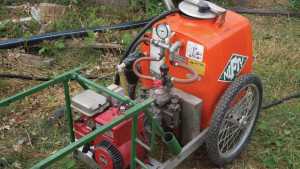
Researchers from Cornell University explore the use of a fixed sprayer system in high tunnel berries for effective canopy coverage.
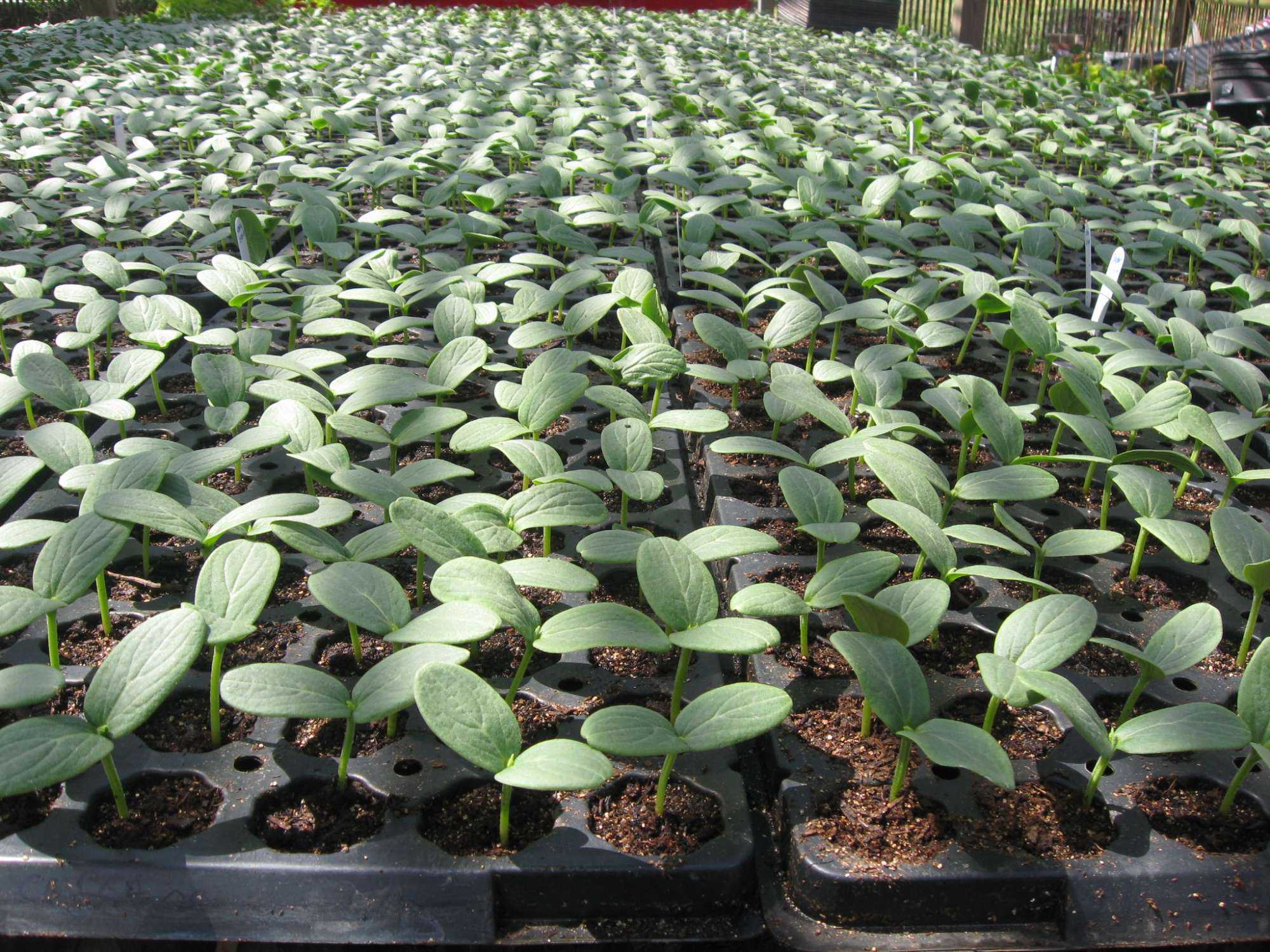
Managing pests in vegetable transplants is an integrated process that includes sanitation, sound cultural practices, the use of resistant cultivars, and proper use of the correct crop protectant.
Choose the proper site and construction materials and heed advice on irrigation and crop protection options.