


Nature’s Reward: Why Vegetable Grower Mark Mason Prefers to Put Success to the Test
 April 1, 2026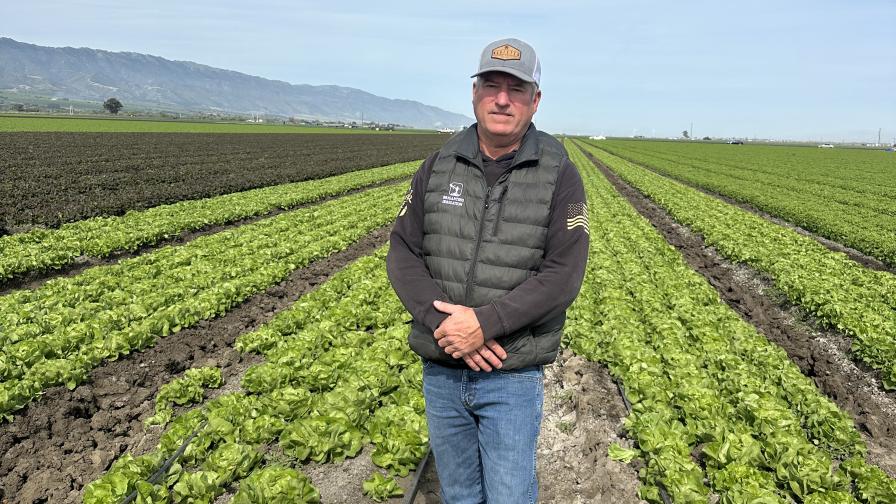
Mark Mason, Ag Manager of Nature’s Reward in Salinas, CA.
Photo: Nature’s Reward
New ideas arrive regularly at the fields of Nature’s Reward in California’s Salinas Valley. Researchers test crop inputs. Engineers bring prototypes of weeding machines and robotic harvest tools. Drone developers experiment with flight heights and spray patterns. For Mark Mason, Ag Manager for the operation that includes Huntington Farms, those visits are part of doing business. But seeing new technology doesn’t mean adopting it overnight.
“We do all these trials just so we know,” Mason says. “I want to know what’s coming up next and be able to give my input. I want to see the stuff. But adoption? No — it’s slow.”
That distinction — between testing new ideas and fully adopting them — shapes how Mason works with researchers, technology companies, and Extension specialists.
A Two-Way Street
Mason describes his approach to collaboration simply: “I always say, ‘How can I help you help me?’”
Researchers need commercial farms where they can run trials under real-world conditions. Mason, in turn, values seeing results firsthand rather than relying solely on research station data.
“Growers always say, ‘Yeah, that works there, but it’s never going to work on my field,’” he says. “So, I take advantage of that to put the trials on our field.”
The projects range widely. Some involve replicated trials of new insecticides or irrigation strategies with farm advisors. Others involve machinery demonstrations, robotics, or drone applications. In some cases, researchers simply install weather stations or sensors in fields to gather environmental data that help improve decision-support tools.
The flow of ideas moves both directions.
Researchers may call Mason to ask whether a proposed trial design makes sense in a production setting. Mason may call them when he sees something unusual in a field.
“It’s not always formal trials,” he says. “Sometimes we just bounce things off each other. I might think I’ve got a great idea, and they’ll say, ‘No, that’s not going to work.’ And that’s helpful.”
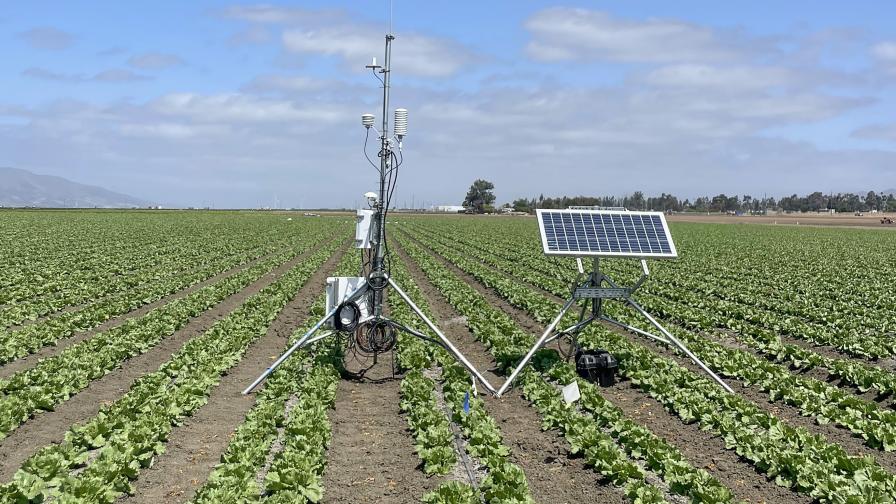
Research partnerships extend beyond crop treatments. Data collection in commercial fields supports tools that guide irrigation, pest management, and other decisions.
Photo: Nature’s Reward
Learning From the Process
Not every project produces a breakthrough. Mason sees value in the learning process itself.
One recent example involved testing biological products. As California production systems evolve, growers are increasingly evaluating new biological tools alongside conventional inputs.
Designing the trial was a collaborative effort that involved researchers, industry groups, and multiple revisions.
“We went round and round on the design,” Mason says. “Plot size, what we were measuring, which products to test — we must have changed it 20 times.”
The first field planting had to be abandoned after poor lettuce germination forced the team to start over. When the trial was finally completed, the results showed no measurable differences among treatments.
“Sometimes you go, ‘Oh man,’” Mason says. “But that’s still the result. Knowing that there’s no difference tells you something.”
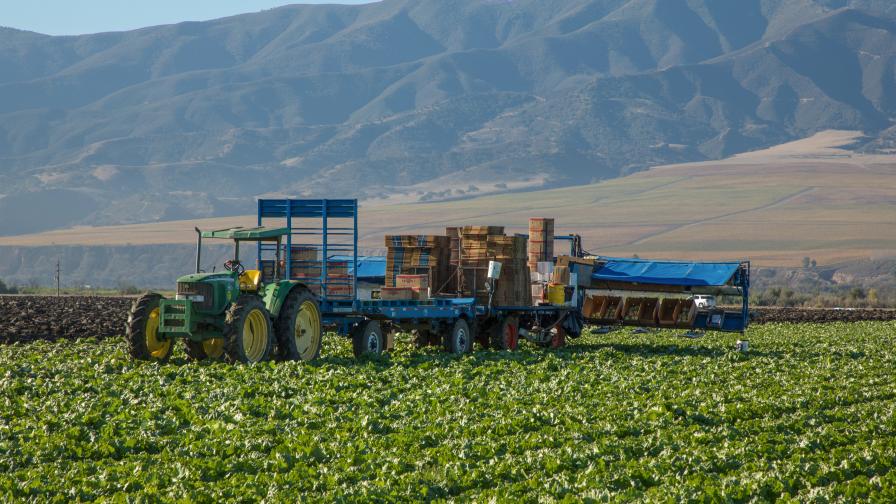
Even small changes must fit into tightly coordinated production systems. New tools are tested carefully to avoid disrupting
harvest schedules and contractual commitments.
Photo: Nature’s Reward
Why Adoption Takes Time
With so many trials underway, it might seem that operations like Nature’s Reward would constantly be changing production practices.
In reality, Mason says adoption happens carefully — and often slowly.
The biggest hurdle is whether technology fits within the existing production system.
“They might have the best thing since sliced bread,” Mason says. “But if it doesn’t fit our system, it would have to be something really big for us to change the whole way we operate.”
The last time that happened? When drip irrigation trials delivered dramatic improvements in efficiency and crop performance, prompting growers across the valley to adjust their systems.
Large vegetable operations rely on tightly coordinated production systems that must deliver consistent results.
“We can’t have failure,” he says. “We’ve got to produce, and we’ve got to fill contracts.”
That reality shapes how Mason evaluates emerging tools.
New technologies often arrive in early development stages. They may show promise but still need refinement before they can be relied upon across thousands of acres.
“It’s not a John Deere tractor,” Mason says. “It’s not always going to start every time you turn the key.”
For that reason, many trials serve as an early look at what may become practical in the future.
“I want to see what’s coming and give feedback,” he says.
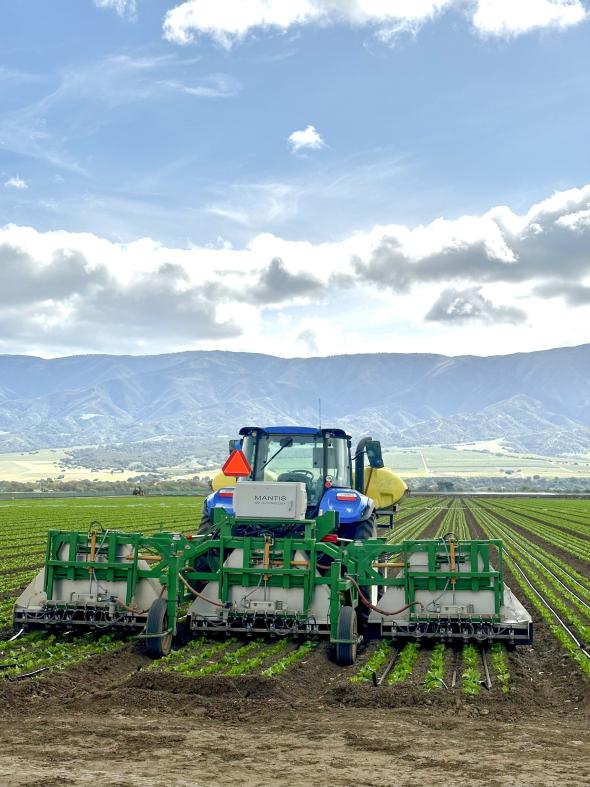
Running trials in production fields helps separate promising ideas from tools that
won’t hold up at scale.
Photo: Nature’s Reward
A Practical Role for Growers
Mason believes growers who want to benefit from research collaborations should take an active role.
“Go to the meetings. Talk to researchers. Give them a place to put a trial,” he says.
Those relationships make it easier to share observations from the field and to see how emerging tools perform under commercial conditions.
For Mason, opening his fields to trials is part of staying prepared for the future — even if that future arrives gradually.
“We test a lot of things,” he says. “That way when something really does work — when it fits the system and the numbers make sense — we’re ready for it.”
American Vegetable Grower’s GROW STRONGER initiative brings you positive stories from progressive growers filled with innovative solutions to help you grow a stronger future.
At a Glance: Nature’s Reward
- Headquarters: Salinas, CA
- Owners: Huntington family, now in its fourth generation
- Founded: 1948
- Business: Grower, packer, and shipper of fresh vegetables
- Crops: Iceberg lettuce, romaine, leaf lettuces, broccoli, cauliflower, celery, green onions, strawberries, and specialty items
- Growing Region: Salinas Valley and surrounding areas of California’s Central Coast
Subscribe Today For
