Vegetables
Find out how researchers are using advanced hyperspectral imaging to detect toxic metal stress in basil and kale in an effort to improve food safety.
New technology and plant breeding methods are exciting. But regulations, increased costs, and less availability in labor and supplies drive advances, too.
Understanding the costs of your machinery and other permanent materials isn’t easy. Here are some samples to work with.
What you need to know to identify and control this weed.
The serious foliar disease was found in the Everglades Agricultural Area for the first time.
Scientists crunch the temperatures on another wild weather year.
Learn more about new USDA-funded projects that will work toward net-zero emissions in agriculture and more.
Group awarded $750,000 grant to provide 2,750 students with critical real-world ag tech training as part of the new program.
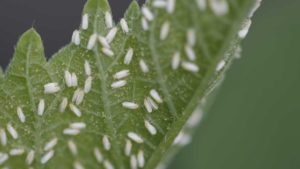
Learn more about an electronic device developed by a team of scientists that can sense whitefly infestations.
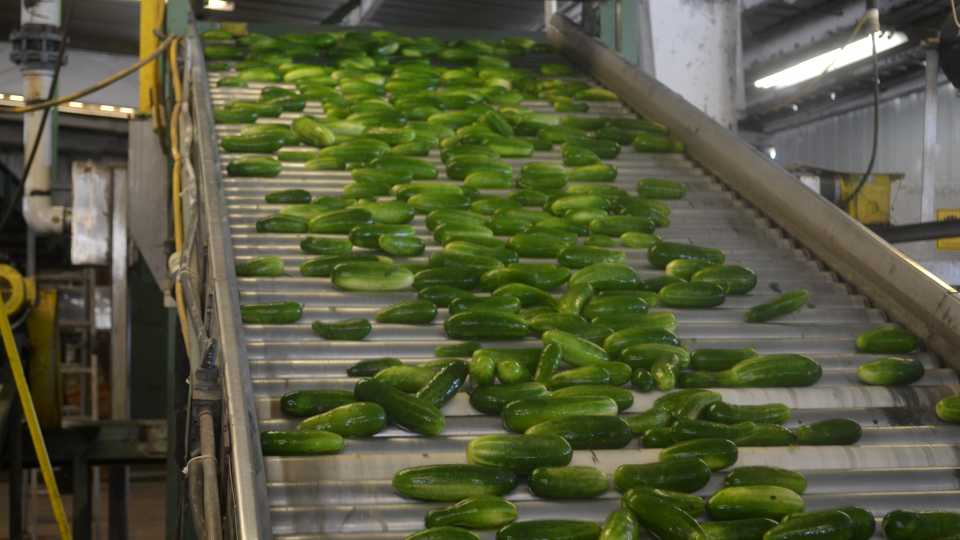
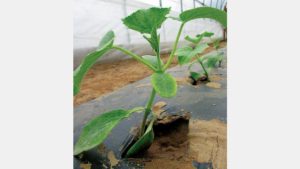
Cucumbers are rarely grown when soil temperature drops below 60°F. A common technique in Asia may give you an extended season.
Learn more about this organization forged under the leadership of the previous United Fresh Produce Association and Produce Marketing Association.
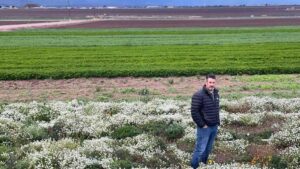
This cool-season vegetable grower’s moon-shot goal to reach zero net emissions is propelling the operation to up its practices.
Plant foraging birds that flock at cattle feedlots or bird feeders are more of a danger than insect-eating birds.
Learn more details about a project that compares two types of watering methods for producing high-quality vegetables.
New research estimates losses of a half-billion just to nut growers, and points to congestion and inefficiencies.
We posted; you clicked, commented, and shared. Recall the most popular articles that made an impact and see if they make your top trending list.
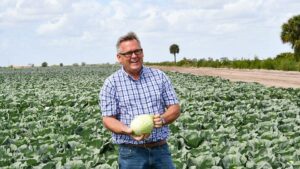
The 2021 National Grower Achievement Award winner seeks fresh answers to issues on the plates of many in the vegetable industry.
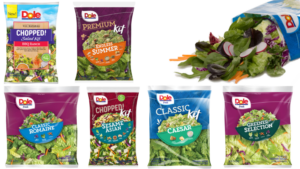
Dole Fresh Vegetables issues a voluntary recall of all bagged salads issued from a North Carolina and Yuma, AZ, facilities with sell-by dates from November 30 to January 8.

An increasingly larger percentage of U.S. fruits and vegetables are being imported, a troubling trend for growers.