Citrus
Life hacks are common in social media threads these days. They are those clever ideas or tricks aimed […]
Annual report shows use of best management practices results in another massive reduction in phosphorus flow.
Participation in this process will be crucial to ensure your needs are understood and addressed.
Trade issues are top of mind these days for specialty crop producers. Efforts have been underway since early […]
Final USDA tally confirms continuing downward trend of production in the HLB era.
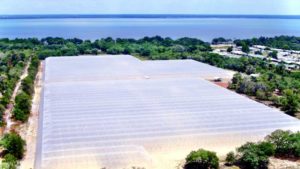
2017 Florida Grower Citrus Achievement Award winner Ed Pines says producing crops under protective screen is a way to farm more and stress less.
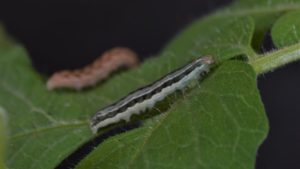
The University of Wisconsin’s John Orrock says when beet armyworms are exposed to concentrations of methyl jasmonate, they will abandon eating tomatoes — and start eating one another.
After a few months of speculation, the USDA’s Agricultural Marketing Service has published its Sunset 2017 final rule on approved products for organic production and handling.
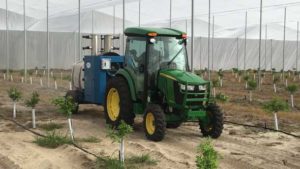
Producing fruit under protective screen is developing into a viable option for sustaining the Sunshine State’s signature crop.
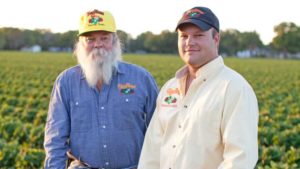
As growers age, the next generation is stepping up and stepping into leadership roles on the farm.
2017 award recipient a true trailblazer and champion for the advancement of the state’s farming industry.
Preliminary results of the unique HLB management method indicate many factors left to consider.
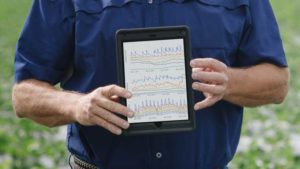
Growing the budding ag-tech sector to maturity likely will require a deeper meeting of the minds between technologists and agriculturists.
Modern agriculture might not be for everyone, but it’s here to stay. Embrace it.
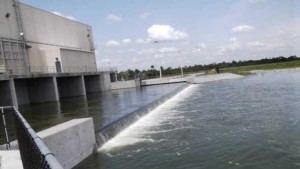
In one month’s time, parts of the Sunshine State have gone from water shortage warnings to a high-water emergencies.
One problem with many agricultural technology start up companies is that no one on staff has a farming background. That’s easy enough to fix. Volunteer your expertise.

Innovation and technology start with growers working with their peers and manufacturers.
With the help of five-year, $5 million USDA grant, stakeholders will learn what it takes to better preserve precious resource.
The Census of Agriculture, which takes place every five years, guides federal, state, and county level decisions on policies affecting growers.