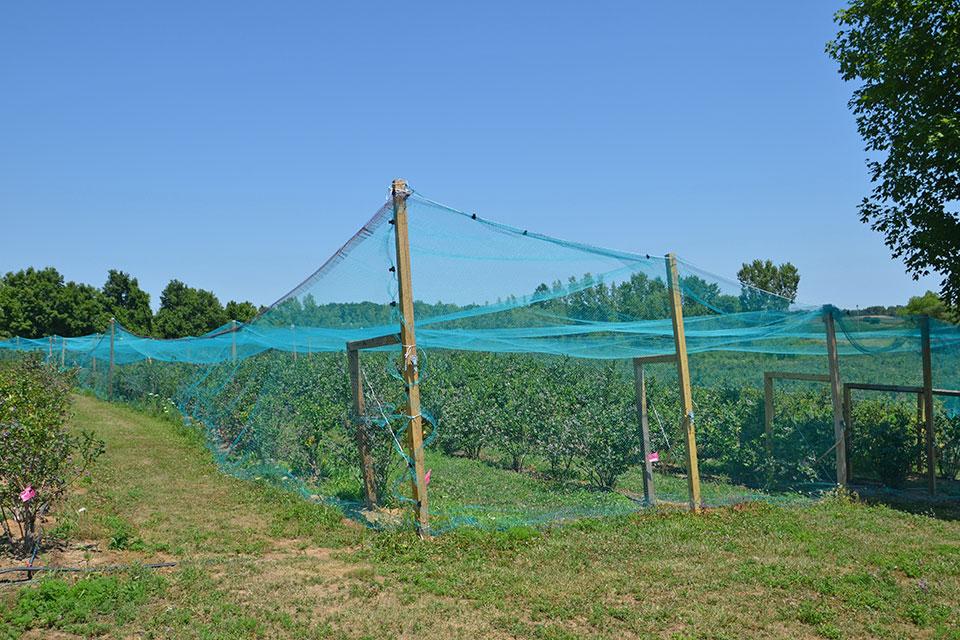
Birds Got Your Berries? Ways To Ground The Threat By Gary Gao, Ohio State University|April 8, 2024 Controlling your berry farm’s environment is critical to reduce bird depredation. Read More
Latest Growing Produce Podcast: Are Robots Ready for Your Farm? Posted by Paul Rusnak|October 20, 2026
New Survey: High Diesel Costs Forcing California Farmers to Make Tough Cuts By California Farm Bureau|October 19, 2026
What Growers Should Know About the New ‘Fontana’ Blackberry Posted by Growing Produce Staff|October 19, 2026
Choose Cover Crops That Suppress Pathogens in Your Vegetable Plantings By Anthony P. Keinath|April 2, 2024 While cover crops help growers overall, some choices can actually host plant diseases.
Good Vibrations: The New Buzz About What’s Shaking up Spotted Lanternfly By Thomas Skernivitz|April 1, 2024 Hearsay proves true, as buzzing power lines really do attract spotted lanternflies.
Unique Soil Treatment Technique Boosting Organic Strawberry Yields By UC Agriculture and Natural Resources News|March 22, 2024 Anaerobic soil disinfestation helps suppress weeds and disease without fumigants.
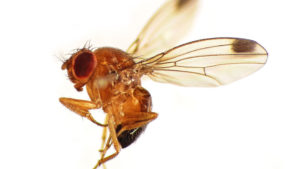
Parasitoid Wasps Hot on the Tail of Dreaded Fruit Pest By Thomas Skernivitz|March 19, 2024 ‘Devastating’ spotted wing drosophila pest draws crowds of beneficial wasps.
Spotted Wing Drosophila Surge Has Florida Blueberry Growers On Watch Posted by Paul Rusnak|March 18, 2024 Multiple reports of the invasive pest around fields in Central Florida stand out as earlier than normal.
Data Confirms Substantial Crop Yield Increases With Biologicals By Growing Produce Staff|March 13, 2024 Contract research organization and university trials show up to 37% yield boost across 23 U.S. row and specialty crops.
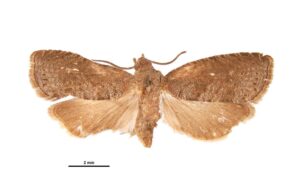
Oriental Fruit Moth Lands In Hot Water — And It’s a Good Thing By Thomas Skernivitz|March 12, 2024 But what’s the ideal temperature to kill the tree fruit pest without hurting the tree?
Highlights from the 2024 BioSolutions Conference and Expo By Julie Hullett|March 11, 2024 Hundreds of ag industry stakeholders learn about biologicals while walking the trade show floor and networking with peers.
Fruit Researchers Get Backing To Help Snuff Out Fire Blight By Virginia Tech News|March 8, 2024 Multistate scientific project supported by a $5.7 million grant from USDA NIFA.
Criteria for Successful Biocontrol Candidates on the Farm By Steven T. Koike, TriCal Diagnostics|March 7, 2024 Field conditions are dramatically different from lab conditions. Here’s the type of research we need to assess just how effective this new tool is.
Why Almond Growers Should Never Skimp on Pest Control By David Eddy|March 4, 2024 Many almond growers who cut back last year got hammered by navel orangeworm.
Study Shows Unique Pest Control Approach Could Help Tame Pepper Weevil By EurekAlert|February 28, 2024 The pepper weevil (Anthonomus eugenii) poses a significant challenge to pepper growers across much of North America.
The Power of Using Beneficial Insects on the Farm Set To Continue Growth Trend Posted by Growing Produce Staff|February 27, 2024 Multiple market drivers and building demand might propel the global beneficial insects market to a billion-dollar industry.
Big Data: Biopesticide Use by Specialty Crop in California Posted by Paul Rusnak|February 23, 2024 More than half of growers reporting any pesticide application used biopesticides. See which crops are tops in treated acres.
Why One Woman’s Research on the Farm Grabs Our Attention By Carol Miller|February 21, 2024 American Vegetable Grower Editor Carol Miller says the work done by Kim Horton in the field of cover cropping and biocontrol is impressive.
Growing Demand in the Seed Treatment Market Set for Big Surge Posted by Growing Produce Staff|February 21, 2024 The need for quality seeds that offer better yield and resistance to pests and diseases is driving what could be a $15.5 billion business by 2033.
Countdown to the 9th Annual BioSolutions Conference And Expo Posted by Growing Produce Staff|February 13, 2024 The stage is set for another great produce industry event. Check out all that’s on tap.
Biostimulant Market Could Be Worth $5.6 Billion by 2033 Posted by Growing Produce Staff|February 10, 2024 Biostimulant industry continues to benefit from advances in biotechnology, leading to the development of new, innovative products.
New Nematode Species Could Be a Benefit To Growers By UC Riverside News|February 9, 2024 Surprise discovery of unique insect-killing nematode species could help protect crops without pesticides.