USDA Set To Give Plant Protection Efforts a Big Boost By USDA-APHIS|February 9, 2024 Government agency is investing more than $70 million in 374 projects through the Plant Protection Act’s Section 7721 program.Read More
Latest Growing Produce Podcast: Are Robots Ready for Your Farm? Posted by Paul Rusnak|October 20, 2026
New Survey: High Diesel Costs Forcing California Farmers to Make Tough Cuts By California Farm Bureau|October 19, 2026
What Growers Should Know About the New ‘Fontana’ Blackberry Posted by Growing Produce Staff|October 19, 2026
4 Can’t-Miss Classes at the 2024 BioSolutions Conference By Carol Miller|February 8, 2024 Take a look at the BioSolutions Conference and Expo program sessions that are lined up especially for vegetable growers.
New Intel: California Farmers Treat Most Acres Since 2020 By Bob West|February 8, 2024 After three consecutive years of declining treated farm acreage in California, the initial report of final 2023 application data shows a different story.
Welcome to the Next Phase of Breeding Disease-Resistant Spinach By AgriLife Today|February 5, 2024 Multi-state project aims to develop cultivars resistant to five common spinach diseases.
New Research Shows Performance Growth Potential in Ampersand Adjuvant Posted by Growing Produce Staff|February 5, 2024 Scientific trials reveal expanded product functionality when paired with soil applied insecticide and fungicide.
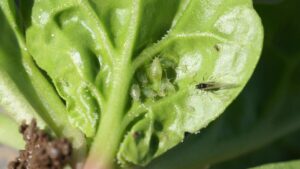
Ways To Keep Spinach Crops Free of Aphids By John C. Palumbo|February 1, 2024 What you need to know to control this damaging pest.
Biocontrol Tactics for Insect and Mite Pests in Tomatoes By Tom Bilbo, Clemson University|January 30, 2024 Tomatoes’ physical characteristics can be hostile to beneficial insects. Here’s what researchers have learned about what works.
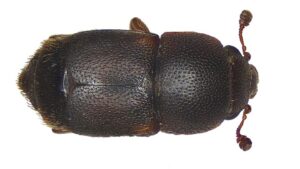
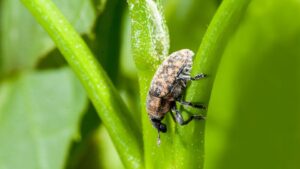
What Nut Growers Should Know About the Carpophilus Beetle By David Eddy|January 30, 2024 Yet another invasive insect to wreak havoc on crops? Learn more about the latest of invasions that threatens California tree nuts.
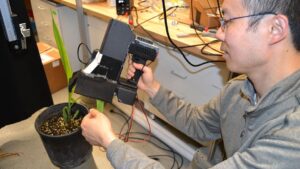
Ways Phenotyping Has a Growing Sense for Plant Health By Thomas Skernivitz|January 29, 2024 Purdue University blends agriculture and bioengineering to develop patented phenotyping tool.
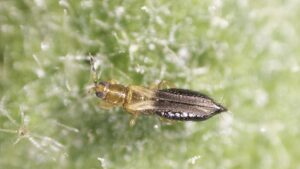
Breakthrough Study Might Have Solutions For Thrips Parvispinus By UF/IFAS News|January 26, 2024 Invasive pest has been a pain for fruit, vegetable, and ornamental plant growers in Florida. Researchers evaluate promising products for control.
Watch for New Substantial Pesticide Restrictions From EPA By Brian R. Levey, Hunton Andrews Kurth LLP | Nancy B. Beck, Hunton Andrews Kurth LLP | Andrew J. Turner, Hunton Andrews Kurth LLP | Javaneh S. Tarter, Hunton Andrews Kurth LLP | Matthew Z. Leopold, Hunton Andrews Kurth LLP|January 25, 2024 To help meet endangered species obligations, the government agency is laying the groundwork for ambitious plans to facilitate key review process.
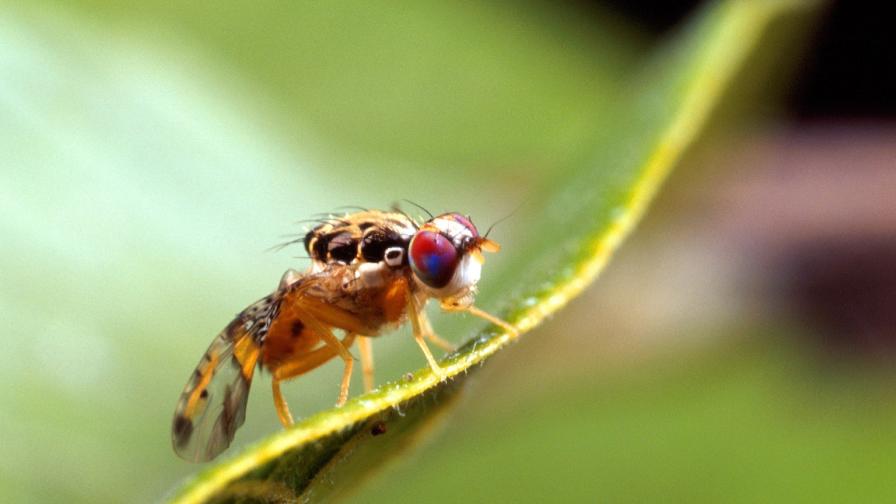
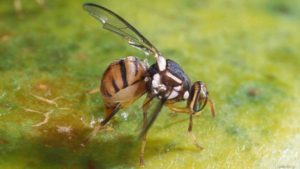
Big Plans To Help Mitigate Fruit Fly Scourge in California By California Department of Food and Agriculture|January 22, 2024 All host fruit for the Oriental fruit fly to be removed from properties, with trees remaining in place.
How Good Crop Breeding Impacts Plant Health By Carol Miller|January 15, 2024 We asked an expert about how breeders keep up with rapidly developing disease strains.
Good Bugs Helping Grape Growers Win Against Weeds By Thomas Skernivitz|January 15, 2024 Colorado producers bring beneficial insects to the front line in their fight against bindweed, thistle, and more.
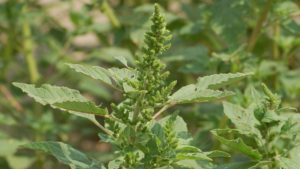
The Most Problematic Weeds, Diseases, and Pests for Vegetable Growers By Growing Produce Staff|January 12, 2024 The country’s leading experts weigh in on why these insects, weeds, and diseases are such a problem.
Excitement Building for 2024 BioSolutions Conference and Expo Posted by Growing Produce Staff|January 9, 2024 The 9th annual industry event has been pioneering biological solutions for modern agriculture.
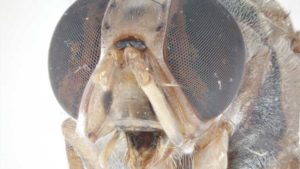
Fruit Fly Invasion Situation Grows on in Southern California By USDA-APHIS|January 2, 2024 USDA-APHIS expands Oriental fruit fly quarantine in response to more confirmed detections of adult flies from various trapping sites.
Vegetable Seed Breeders Taking on Susceptibility in Cucurbits By Thomas Skernivitz|December 30, 2023 Companies turn focus to Phytophthora-resistant varieties.
New Solution To Control Goat Weed in Citrus Gains Steam By UF/IFAS News|December 29, 2023 New study from the University of Florida finds using steam and low dose of herbicide helps control the pesky perennial.
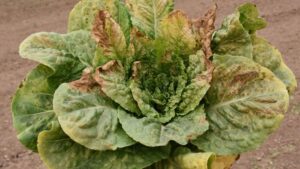
What a Wet Winter Means for White Mold and Your Vegetable Crops By Anthony P. Keinath|December 28, 2023 Here are some hard-earned lessons for growers on managing the disease.