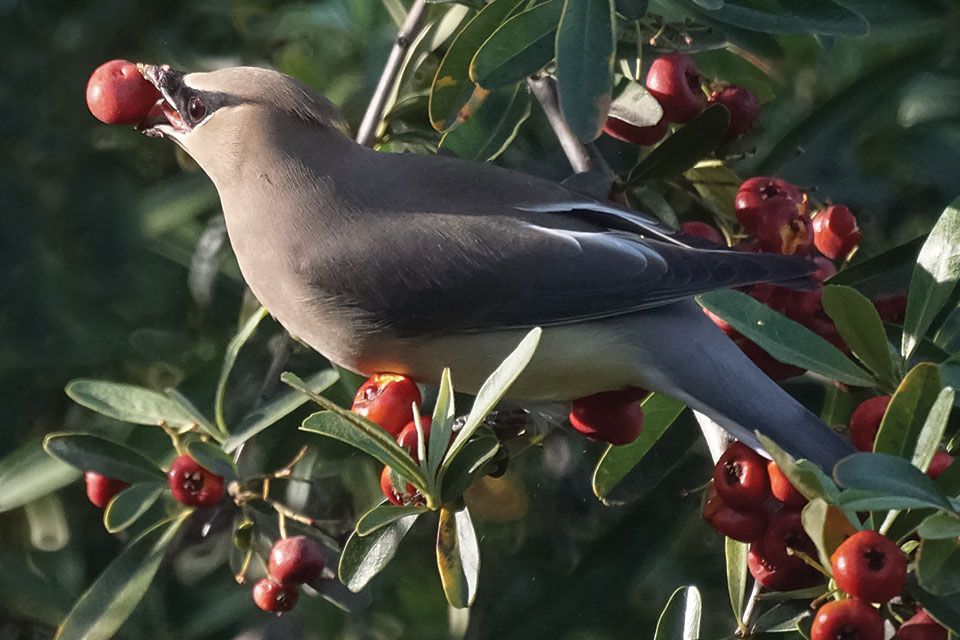
Pointers To Keep Birds at Bay and Away From Your Berry Crops By Thomas Skernivitz|September 7, 2021 Growers have several ways to stop feathered foes from damaging berry plants, some more costly than others. Read More
Figuring the Real Value of Organic Production for Your Vegetable Farm By Carol Miller|October 21, 2026
Latest Growing Produce Podcast: Are Robots Ready for Your Farm? Posted by Paul Rusnak|October 20, 2026
New Survey: High Diesel Costs Forcing California Farmers to Make Tough Cuts By California Farm Bureau|October 19, 2026
Concern for Florida Ag? New Operations Manual for Lake Okeechobee Proposed By Frank Giles|September 4, 2021 Learn why area growers are expressing worry over the plan and its potential impacts on water supply for farms.
Survey: Fruit and Nut Growers Are Using a Wide Range of Biocontrols Posted by Growing Produce Staff|September 3, 2021 State of the Industry poll shows significant percentages of producers exhibit similar use patterns when it comes to different products and strategies.
Vegetable Growers: How Do You Use Biological Control Products? By Carol Miller|August 30, 2021 Survey says almost 40% of growers use them only under specific conditions.
Why Dry Conditions Are Best When Applying Biopesticides By Thomas Skernivitz|August 27, 2021 Unless it’s a wet season, biological treatments can hold their own against conventional offerings.
Chlorpyrifos Choked Out: Precarious Path for Pesticide Regulation Ahead? By CropLife|August 26, 2021 Industry association urges EPA to reconsider decision and use every legal avenue to reassert its statutory authority to be the regulator of these products.
Want a Proper Vegetable Insect Pest Identification? Here’s How To Get It By John C. Palumbo|August 25, 2021 Knowing what you’re dealing with can help you avoid unnecessary or incorrect treatments.
2 Mystery Plant Viruses a New Worry for Watermelon Growers in Florida Posted by Paul Rusnak|August 24, 2021 It appears crinkle leaf-associated virus 1 and 2 have made it to the Sunshine State. But there is still much to learn about the pathogens.
Tips To Tame Tomato Fruitworm, A Formidable Foe in the Field By Gene McAvoy|August 19, 2021 Learn how to identify, the survival and spread, as well as management methods for this pest.
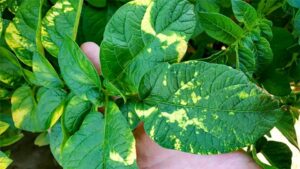
Can You Spot the Differences Between Potato Viruses and Leaf Symptoms? By Carrie Huffman Wohleb|August 18, 2021 Identifying issues with some diseases can be easy, if you know what to look for.
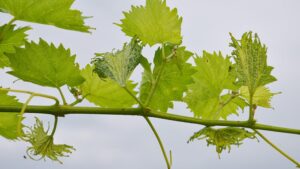
What You Can Do To Protect Your Grapes From Herbicide Drift Damage By Gary Gao, Ohio State University|August 16, 2021 Here are some practical steps you can take if you see this damage to your crops.
Florida Ag Commissioner Announces New Clean Water Initiative By Frank Giles|August 16, 2021 Learn more about a program that increases on-farm inspections and collects grower nutrient applications records.
Asfertglobal Looks to Grow Presence in U.S. Ag Biocontrols Market Posted by Growing Produce Staff|August 12, 2021 Portuguese company embarks on international expansion strategy with its first commercial operations in America.
Bayer Expands Movento Label for Vegetable Growers in Southeast U.S. Posted by Growing Produce Staff|August 12, 2021 Insecticide/nematicide product is now registered for use in 227 additional crops in Florida, Georgia, and Alabama.
New Adjuvant Approved for California Fungicide Use on Specialty Crops Posted by Growing Produce Staff|August 9, 2021 Growers in the Golden State have another tool for the fight against yield loss due to fungal diseases.
Herbicide Product Options Abundant for Berry Growers By Thomas Skernivitz|August 7, 2021 Producers can take their pick in the battle against weeds.
Can UVC Light Treatment Save Strawberries from Mites and Chilli Thrips? Posted by Paul Rusnak|July 21, 2021 Unique crop protection method put to the test again by researchers looking for ways to gain more ground for growers.
Microscopic Nematodes Could Prove Big Nag for Hemp Growers in Florida Posted by Paul Rusnak|July 20, 2021 Studies show some varieties of the alternative crop are better hosts for the root-dwelling pests than others.
New Technology Aims to One up Plant Pests and Pathogens Posted by Growing Produce Staff|July 17, 2021 Researchers claim to have found a way to manage pests and diseases in multiple crops without the use of antibiotics.
Quarantine State: California Prohibits Introduction of Spotted Lanternfly Posted by Thomas Skernivitz|July 16, 2021 Various articles and conveyances banned if originating from any area where SLF infestation exists.