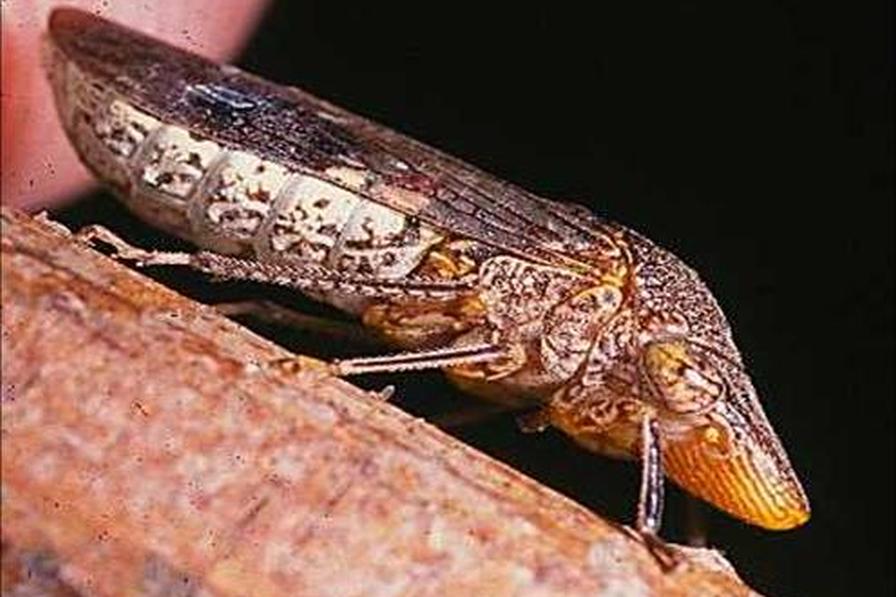
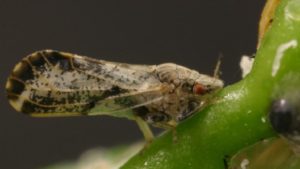
Traps Catch Glassy-Winged Sharpshooter Infestation in Northern California By Growing Produce Staff|October 21, 2021 Grapevine pest is an invasive and aggressive vector of deadly Pierce’s disease.Read More
Latest Growing Produce Podcast: Are Robots Ready for Your Farm? Posted by Paul Rusnak|October 20, 2026
New Survey: High Diesel Costs Forcing California Farmers to Make Tough Cuts By California Farm Bureau|October 19, 2026
What Growers Should Know About the New ‘Fontana’ Blackberry Posted by Growing Produce Staff|October 19, 2026
Asiatic Garden Beetle Is a Puzzling New Pest for Stone Fruit Growers By Bill Shane|October 19, 2021 What you need to know to when scouting for this insect.
Growing Organic Produce Profitably Requires a New Tack By David Eddy|October 17, 2021 You need to change your approach if you’re going to reap the large, potential gains.
For Spinach, Weed Control Timing Is Everything By Tom Wood|October 13, 2021 Belchim USA’s Tom Wood shares the study results that show how morning and evening weed control treatments differ.
Biological Product Groups in Ag Sector Survive and Thrive During the Pandemic By Daniel Jacobs|October 12, 2021 Some practices adopted while adapting to COVID-19 were beneficial and will remain, such as webinars and online meetings.
What Is the Next Big Thing in Biological Crop Protection? By Carol Miller|October 8, 2021 We asked ag industry insiders about the biocontrol trends they are watching.
Fungal Pathogen Might Be Worst Nightmare for Asian Citrus Psyllid By Robin Koestoyo|October 6, 2021 Newly published research shows Cordyceps javanica helped lower pest numbers by 90%.
Biological Products: A Safe, Effective, and Sustainable Option for Farmers By Keith Jones|October 5, 2021 Keith Jones of BPIA says biostimulants and biofertilizers are clearly the right choice for the environment when used as directed.
More Regulation Just Might Help Build up the Biostimulant Industry By David Eddy|October 1, 2021 The market is set to grow as farmers come to realize the value of biostimulants, but that pales with what can be achieved through smart guidance.
Got Bugs in Your Hemp Crop? There’s a New ID Tool for That Posted by Paul Rusnak|September 30, 2021 University of Florida guide includes 20 of the most common hemp pests in the state.
Certis Biologicals Keeps Citrus in Its Sights With Latest Hire Posted by Growing Produce Staff|September 30, 2021 Lee Shekels joins team to help boost critical growth segment in Florida.
Produce Growers Offer Fresh Perspectives on the Use of Biologicals By Carol Miller | David Eddy | Frank Giles|September 24, 2021 Fruit and vegetable growers across the U.S. share how biocontrol products fit in their operations.
Tree Fruit Pest Authority Professor Larry Gut Passes Away at 67 Posted by Thomas Skernivitz|September 23, 2021 A global leader in using moth sex pheromones for mating disruption, Gut developed IPM programs that reduced dependence on pesticides.
Efforts Growing To Build a New Message Around Biologicals for Ag By Richard Jones|September 17, 2021 The sector has seen impressive growth and adoption rates in recent years. It’s time for a new approach to keep that trend going.
Is It Damping-Off That’s Keeping Your Vegetable Crops Down? By Gene McAvoy|September 16, 2021 Learn how to identify, the survival and spread, as well as management methods for this fungal foe.
Biocontrol Company Raises $116 Million to Build Global Presence By Growing Produce Staff|September 14, 2021 Starting with biological fungicides and expanding to insecticides and herbicides, AgBiome expects to launch 11 products by 2025.
What You Need To Know About Biological Crop Protection and Plant Health Posted by Growing Produce Staff|September 13, 2021 Learn about an exclusive, free digital report that answers a bounty of biocontrol questions for all crop segments.
Marrone Bio Innovations Readies Next-Gen Nematicide/Insecticide for Registration Posted by Thomas Skernivitz|September 11, 2021 CEO Kevin Helash: “We have always believed biologicals have the potential … to compete directly with traditional products.”
What’s Chomping Your Vegetable Crops? How to Find Out By Lyneida M. Hustick|September 8, 2021 Scroll through digital flashcards and learn the tell-tale signs to get a leg up on effective wildlife management in your farm fields.
Never This Far West: Spotted Lanternfly Found Alive in Indiana Posted by Thomas Skernivitz|September 7, 2021 Invasive pest discovered near Ohio River in the Hoosier State as well as in Cleveland, OH.