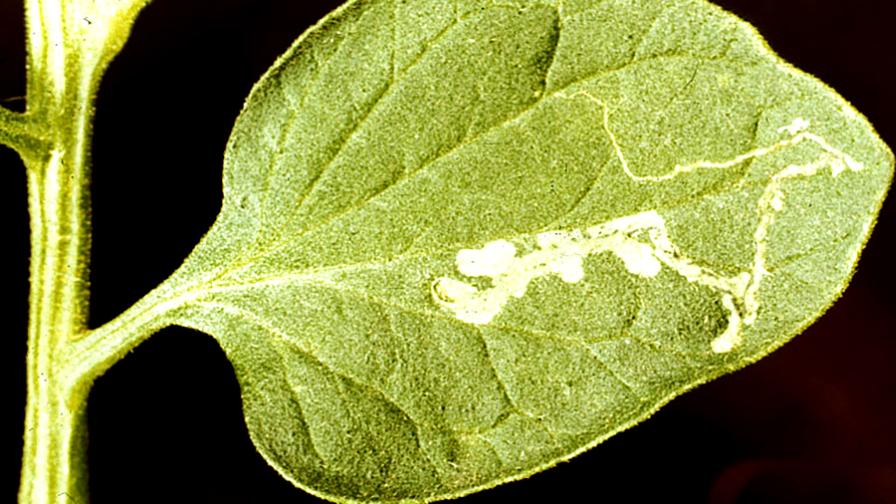
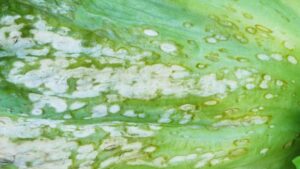
Don’t Let Leafminers Duck Under Your Crop Protection Radar By Gene McAvoy|December 16, 2021 Learn how to identify, the survival and spread, as well as management methods for this food crop pest.Read More
Latest Growing Produce Podcast: Are Robots Ready for Your Farm? Posted by Paul Rusnak|October 20, 2026
New Survey: High Diesel Costs Forcing California Farmers to Make Tough Cuts By California Farm Bureau|October 19, 2026
What Growers Should Know About the New ‘Fontana’ Blackberry Posted by Growing Produce Staff|October 19, 2026
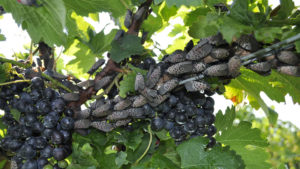
Red Alert in New York State for Spotted Lanternfly By Thomas Skernivitz|December 14, 2021 Invasive pest with a voracious appetite continues its spread toward susceptible wine country.
Realistic Tips You Can Use to Control Whiteflies in Vegetable Crops By Hugh Smith|December 8, 2021 This is a tough pest to manage. But there are steps you can take to protect your assets in the field.
Certis Biologicals Makes Move To Boost Growth in the Midwest Posted by Growing Produce Staff|December 6, 2021 Biopesticide company adds to its team by hiring Nick Vandervort as Midwestern Field Development Manager.
Winning for Florida Waters: Tater Farms Recognized for Conservation Efforts By Frank Giles|December 4, 2021 Tri-County Agricultural Area operation saving thousands of gallons of water daily. Learn how they do it.
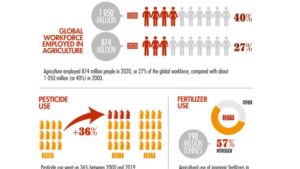
Worldwide Pesticide Use Holds Steady Posted by Carol Miller|December 1, 2021 See how worldwide agricultural trends fared over the past 20 years in the FAO’s most recent publication.
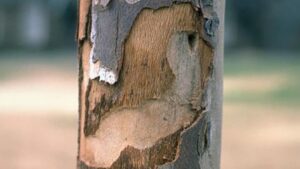
Beware of Flatheaded Borer Taking Bite Out of Walnut Crops Posted by Growing Produce Staff|November 29, 2021 For commercial growers, now’s the time to check for infestation.
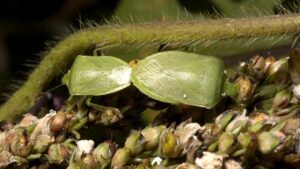
Rise of Stink Bugs Still a Concern for Vegetable Growers in Southeast By Gene McAvoy|November 24, 2021 In recent years, growers in Florida and neighboring states have reported an increase in stink bug-related problems in tomato and other crops.
Drought’s Double-Edge Sword: Can It Put a Damper on Plant Disease? By Steven T. Koike, TriCal Diagnostics|November 24, 2021 Lack of water poses a threat to growers’ crops – and pathogens. Find out why.
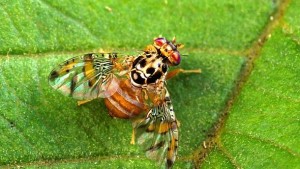
Parts of Southern California Facing New Quarantine After Medfly Detections By California Department of Food and Agriculture|November 24, 2021 Multiagency effort is underway to contain insect pest known to target more than 250 types of fruits and vegetables.
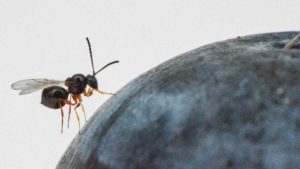
It’s a First: Spotted Wing Drosophila Enemy Found in U.S. Posted by David Eddy|November 19, 2021 The parasitoid wasp, a natural enemy of the berry-eating fly, was found last month in Washington near the Canadian border.
How the Practice of Keeping Pesticide Sprays in Place Just Got Easier By Thomas Skernivitz|November 15, 2021 Inversion unveiled as attaching a 30-foot mast to a weather station helps define ideal spray time.
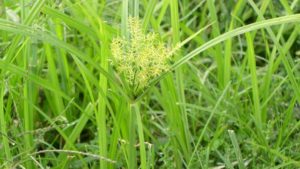
Field Scouting Guide: Yellow Nutsedge By Karli Petrovic|November 9, 2021 Follow these tips to identify and manage this wily weed.
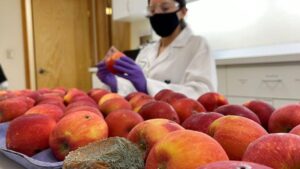
Products in Play To Help Keep Fruit Decay at Bay By Thomas Skernivitz|November 7, 2021 Growers, packers work to extend the usable life of postharvest fungicides.
North Carolina Growers on High Alert for Spotted Lanternfly Invasion By NC State Extension|November 5, 2021 An established sect of the pest was spotted just 20 miles from the North Carolina border. This is the closest infestation to the Tar Heel State to date.
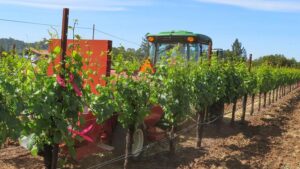
Proper Management of Powdery Mildew in Grapes: The Fanfare Behind Sprayers By Thomas Skernivitz|November 1, 2021 Effective control of malady involves sprayer fans and canopy density, which dictate ideal tractor ground speeds.
Key STEPS Produce Growers Can Take Toward Cleaner Water on the Farm By Frank Giles|October 31, 2021 University of Florida joins national program to promote phosphorus sustainability.
Suterra and Phytech Partner for Crop Production and Protection Solution Posted by Growing Produce Staff|October 29, 2021 Phytech to add sustainable pest management to its digital farming platform.
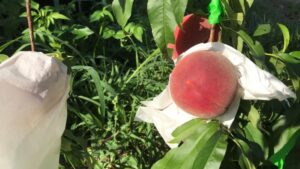
Letting a Healthy Peach Crop Out of the Bag – Literally Posted by Paul Rusnak|October 25, 2021 To help keep pests and diseases at bay, organic growers can place bags around individual fruit, researchers say.
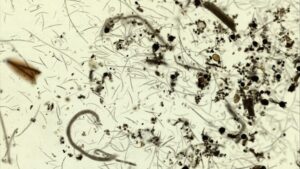
Did you Know? Some Nematodes Offer Natural Defense for Cranberries Posted by Growing Produce Staff|October 22, 2021 Microscopic worms have a taste for some of the fruit’s nastiest pests.